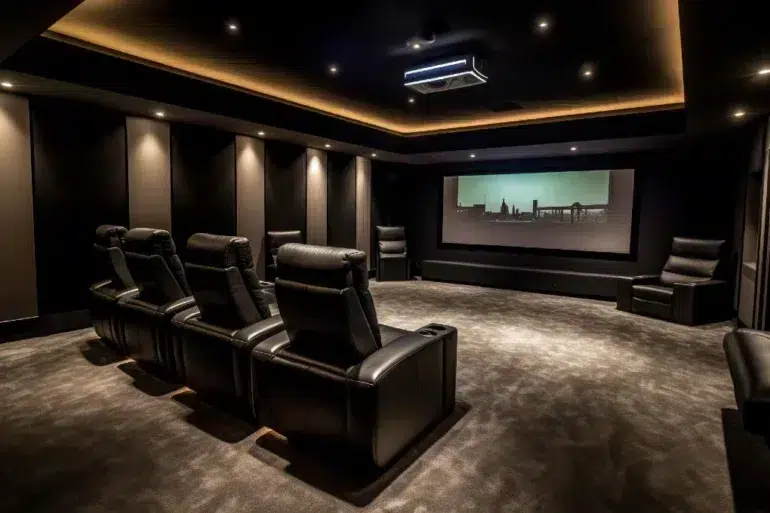
Creating a home theatre that offers the ultimate cinematic experience is a complex but rewarding task. Whether you are a movie enthusiast or a gaming aficionado, the key to an immersive experience begins with proper Home theatre Installation. This guide provides a comprehensive look into the process, from choosing the right seating to ensuring your TV is perfectly mounted.
Choosing the Right Space
The first step in setting up your home theatre is selecting the ideal location. Consider a room that can provide the right acoustics, sufficient space, and minimal light interference. A basement or a room with few windows is often preferred to control the lighting conditions effectively.
Selecting the Appropriate Equipment
Investing in the right equipment is crucial. This includes a high-quality projector or television, sound systems, and lighting. The television should be large enough to provide an immersive experience but suitable for the room size to avoid overwhelming the space.
Meanwhile, the sound system should offer clear audio to complement the visuals. Opt for surround sound systems to achieve a comprehensive audio experience. Do not forget about additional components like a streaming box or a gaming console if they are part of your entertainment needs.
Seating Arrangements
Comfort is key in a home theatre, making seating arrangements essential. When choosing seating, consider options that offer comfort, style, and durability. Recliners are popular, providing ease and flexibility. Consider the number of people who will regularly use the theatre to ensure appropriate seating capacity.
For customised seating solutions, you might explore services like Build my seat to design the perfect seating arrangement tailored to your room dimension and personal preferences.
Lighting and Ambiance
Lighting plays a significant role in how the images are perceived on the screen. Dim, adjustable lighting is recommended for a better viewing experience. LED strips or smart lighting systems that can be controlled remotely might enhance the theatre experience further. Ambient lighting behind the screen can also reduce eye strain during extended viewing periods.
TV Wall Mounting
Proper TV Wall Mounting is crucial in maximizing space and providing a clean, professional look. The process involves deciding on the ideal height and the proper mount type that accommodates the size and weight of the television.
Ensure the wall mount is installed on a sturdy wall to support the TV’s weight, and consider hiding cords and cables for a neat appearance. This not only enhances aesthetics but also maintains safety within the space.
Soundproofing the Room
To enhance the listening experience and prevent sound from disturbing other rooms, consider soundproofing the theatre room. This can be achieved using acoustic panels, heavy drapes, and carpeting. These elements reduce sound leakage and improve sound quality within the theatre.
Calibrating Audio and Visual Settings
After installation, calibrate your audio and visual settings to match your preferences and room acoustics. Most surround systems and advanced televisions come with built-in optimisation features that can help create the ideal setup based on your environment.
Spend time exploring these settings to find the right balance between picture quality and sound. Regular re-calibration might be necessary as equipment ages or if significant changes are made to the setup.
Maintaining Your Home Theatre System
Consistent maintenance is vital to prolong the life of your home theatre equipment. This includes cleaning screens and components regularly, checking connections, and updating software on smart TVs and streaming devices.
Avoid using harsh chemicals on screens to prevent damage, and ensure all components are powered off and disconnected before cleaning or making adjustments.
Integrating Smart Controls
Modern home theatres can benefit greatly from smart home integration. Using voice commands or smartphone apps, you can control lighting, sound, and even the screen from the comfort of your seat.
Smart controls can simplify operation and personalise the home theatre experience through customisation. They can be programmed to remember your preferred settings, ensuring a seamless experience every time you use the theatre.
Troubleshooting Common Issues
Problems such as flickering screens or audio distortions are common but can often be resolved by checking the equipment connection or adjusting the settings. Having a basic understanding of your system’s components will assist in troubleshooting minor issues, avoiding the need to frequently call for professional help.
The Future of Home Theatre Systems
Technological advancements in home theatre systems are continuous, offering novel features and improved quality. Keeping abreast of these developments ensures you remain informed of potential upgrades and enhancements that can be integrated into your existing setup.
Investing in advanced technologies not only enhances your viewing experience but can also increase the value of your home. Therefore, it is beneficial to consider future-proofing your home theatre to accommodate new technologies as they become available.
This guide provides a thorough overview of setting up a complete home theatre system. By considering these elements, from room selection to equipment maintenance, users can create a personalised space that meets all entertainment needs.