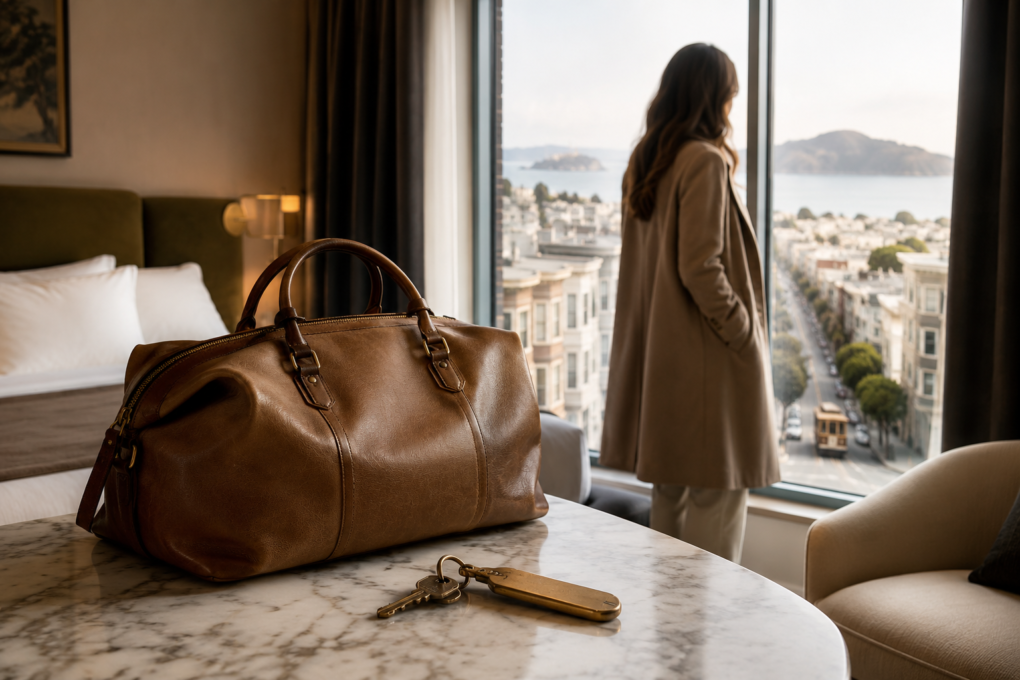
A San Francisco Boutique hotel stay feels different from booking a standard room in a big chain property. It is more personal, more design-focused, and usually more connected to the neighborhood around it. In a city known for steep streets, Victorian homes, cable cars, bay views, independent shops, and creative food scenes, boutique hotels fit naturally into the local rhythm. They give travelers a stylish base without making the trip feel too polished or predictable.
San Francisco is compact, but every neighborhood has its own mood. Union Square feels convenient and energetic. Nob Hill has classic elegance. North Beach brings café culture and old-city charm. The Mission is colorful, artistic, and full of flavor. That is why choosing the right boutique hotel is not just about the room. It is about the kind of San Francisco stay you want to experience.
What Makes a San Francisco Boutique Hotel Different?
A boutique hotel is usually smaller than a large chain hotel, with a stronger focus on design, service, atmosphere, and location. Instead of feeling like the same hotel you could find in any city, a boutique property often reflects the place around it.
A good San Francisco Boutique hotel may include local artwork, historic architecture, cozy lounges, rooftop spaces, stylish rooms, or a neighborhood-driven restaurant. Some are inside restored older buildings. Others have a modern, minimalist look that matches the city’s tech and design culture.
The biggest difference is personality. A boutique stay often feels more intimate. The lobby may feel like a living room. Staff may offer neighborhood tips that go beyond the usual tourist stops. The décor may feel curated rather than mass-produced.
According to the official San Francisco Travel site, the city has many distinct neighborhoods, each with its own personality, attractions, restaurants, and cultural character. That neighborhood variety is one reason boutique hotels work so well here.
Why Travelers Choose Boutique Hotels in San Francisco
Many visitors choose boutique hotels because they want comfort without losing the feeling of being in the city. A big hotel can be practical, but it can also feel detached from the local scene. Boutique hotels tend to create a softer landing.
They are especially popular with:
- Couples planning a romantic city break
- Solo travelers who want a stylish but welcoming stay
- Business travelers who prefer character over corporate design
- First-time visitors who want walkable access to restaurants and landmarks
- Repeat travelers looking for a different side of the city
A San Francisco Boutique stay can also make a short trip feel more memorable. When the hotel itself has atmosphere, your travel experience does not begin only when you leave the building. It starts at check-in.
Best Areas for a San Francisco Boutique Stay
San Francisco is not a city where every traveler should stay in the same area. The best neighborhood depends on your plans, budget, comfort level, and travel style.
Union Square for Convenience and Shopping
Union Square is one of the most practical areas for first-time visitors. It places you near shopping, theaters, public transportation, restaurants, and easy rides to other neighborhoods.
A boutique hotel near Union Square works well if you want to move around the city without thinking too much about logistics. You can visit Chinatown, the Financial District, Nob Hill, and SoMa with relative ease.
The area has a more urban feel, so it may not be the quietest choice. But for travelers who want convenience, it remains one of the most useful hotel zones.
Nob Hill for Classic San Francisco Style
Nob Hill has an old-world San Francisco feeling. Think historic buildings, elegant streets, hilltop views, cable cars, and a calmer pace than the busiest tourist areas.
A San Francisco Boutique hotel in or near Nob Hill often suits travelers who want charm, architecture, and a slightly more refined stay. It is still central, but it feels less hectic than Union Square.
The trade-off is the hills. Walking can be beautiful, but it can also be tiring. Comfortable shoes are not optional here.
North Beach for Cafés and Local Flavor
North Beach is a strong choice if you like walkable neighborhoods with personality. Known for Italian restaurants, cafés, bookstores, and nightlife, it offers a city experience that feels lively but not generic.
Staying near North Beach puts you close to Chinatown, Coit Tower, the Embarcadero, and Fisherman’s Wharf. It is a good base for travelers who want food, culture, and evening atmosphere nearby.
Boutique hotels in this area often appeal to visitors who prefer charm over luxury gloss.
Fisherman’s Wharf for Easy Sightseeing
Fisherman’s Wharf is tourist-heavy, but that is not always a bad thing. For families, first-time visitors, or travelers who want to be close to classic attractions, it can be convenient.
From here, you can reach Pier 39, bay cruises, Alcatraz departure points, Ghirardelli Square, and waterfront walks. Visit California notes that San Francisco’s MUNI buses and BART help travelers move around the city and beyond, including connections toward the airport and East Bay.
A boutique stay near the waterfront can be a smart choice if sightseeing is the main goal.
The Mission for Food, Murals, and Creative Energy
The Mission is colorful, energetic, and deeply connected to the city’s cultural life. It is known for murals, taquerias, independent shops, nightlife, and sunny microclimate days.
A boutique hotel near the Mission works best for travelers who want a more local-feeling trip. It may not have the postcard calm of Nob Hill, but it offers real texture.
This area is especially appealing for food-focused visitors who want to spend evenings trying local restaurants rather than returning early to a quiet hotel lounge.
What to Look for Before Booking
A stylish hotel photo can be tempting, but it does not always tell the full story. Before booking a San Francisco Boutique hotel, look at a few practical details.
Neighborhood Fit
The hotel’s neighborhood matters as much as the room. A beautiful hotel in the wrong area can make your trip frustrating.
Ask yourself:
- Do you want nightlife nearby or quiet evenings?
- Will you rely on public transportation, walking, or rideshares?
- Are you visiting for sightseeing, food, business, or relaxation?
- Do hills matter to you?
- Do you want a tourist-friendly area or a more local atmosphere?
San Francisco is only about 49 square miles, but its neighborhoods can feel very different from each other. SF Travel highlights the city’s compact size along with its diverse neighborhood character, which is exactly why location should be part of your hotel decision.
Room Size and Layout
Boutique hotels can be charming, but rooms may be smaller than expected, especially in older buildings. This is common in dense cities where historic properties have been converted into hotels.
Check room square footage, bed size, bathroom layout, storage space, and whether the room has natural light. For longer stays, these details matter more than a pretty headboard.
Noise Level
San Francisco can be quiet in some pockets and lively in others. A hotel near bars, cable car routes, main roads, or nightlife may have more noise.
Look for reviews that mention street-facing rooms, window quality, hallway noise, and nearby construction. Boutique hotels often have character, but older buildings can also have thinner walls.
Amenities That Actually Matter
Not every traveler needs a spa, rooftop bar, or full-service restaurant. The most useful amenities are often simpler.
Look for:
- Reliable Wi-Fi
- Comfortable bedding
- Good heating and cooling
- 24-hour front desk support
- Coffee or breakfast options
- Secure luggage storage
- Walkable dining nearby
- Transit access
A boutique hotel should feel stylish, but it still needs to function well.
Boutique Hotel Style: Historic, Modern, or Artistic?
One of the best parts of choosing a boutique stay is matching the hotel style to your trip mood.
Historic Boutique Hotels
Historic boutique hotels often include restored architecture, vintage details, grand staircases, old elevators, or classic lobby spaces. They suit travelers who want a sense of place.
In San Francisco, this style works beautifully because the city has layers of history. You may find older buildings with updated interiors, giving you both charm and comfort.
Modern Boutique Hotels
Modern boutique hotels usually focus on clean lines, calming colors, smart layouts, and simple luxury. They may appeal to business travelers, couples, or anyone who likes a polished but relaxed stay.
This type of San Francisco Boutique property often feels less decorative and more design-led.
Artistic Boutique Hotels
Some boutique hotels lean into art, color, and creative spaces. These can feel playful, bold, and very city-specific.
They are a good fit for travelers who want the hotel to feel like part of the trip rather than just a place to sleep.
How Much Do Boutique Hotels Cost in San Francisco?
Prices vary widely depending on season, location, day of the week, room type, and city events. San Francisco hotel rates can rise during major conferences, summer travel periods, holidays, and long weekends.
In general, boutique hotels may cost more than basic budget hotels but less than top-tier luxury properties. The value depends on what is included. A slightly higher nightly rate may be worthwhile if the location saves you transportation costs or the room quality improves the whole stay.
Watch for extra fees such as:
- Destination fees
- Resort-style fees
- Parking fees
- Early check-in charges
- Breakfast costs
- Cancellation penalties
Parking deserves special attention. San Francisco parking can be expensive, and many visitors do not need a car for the full trip. If your stay is mostly within the city, public transportation and rideshares may be easier.
Best Type of Traveler for a San Francisco Boutique Hotel
A boutique stay is not only for luxury travelers. It is for anyone who wants the hotel to feel personal and connected to the destination.
Couples
Couples often enjoy boutique hotels because the atmosphere feels more intimate. A smaller property with a cozy lobby, stylish bar, or scenic neighborhood can make a city break feel special.
For a romantic trip, Nob Hill, North Beach, Pacific Heights, or a quieter waterfront-adjacent area may work well.
Solo Travelers
Solo travelers may appreciate boutique hotels because they often feel warmer than large business hotels. Smaller public spaces can make the stay feel less anonymous.
A central location is important for solo travel. Choose a neighborhood where you feel comfortable returning in the evening.
Business Travelers
For work trips, boutique hotels can offer a more refreshing experience than standard corporate properties. The key is to check desk space, Wi-Fi quality, breakfast availability, and transit access.
A San Francisco Boutique hotel near SoMa, Union Square, or the Financial District can work well for business travelers who also want enjoyable evenings nearby.
Families
Families can enjoy boutique hotels too, but room size matters. Some boutique properties have limited space, fewer connecting rooms, or smaller bathrooms.
Families should check room layouts carefully and look for easy access to attractions, casual dining, and transportation.
Sample 3-Day Boutique Hotel Stay Scenario
Imagine a couple visiting San Francisco for three days. They want style, good food, walkability, and a mix of classic attractions and local neighborhoods.
They choose a boutique hotel near Nob Hill. On the first day, they walk toward Union Square, visit Chinatown, and have dinner near North Beach. On the second day, they take a morning bay cruise, spend the afternoon around the Ferry Building, and return to the hotel before heading out for drinks. On the third day, they visit Golden Gate Park and stop by independent shops before leaving.
The hotel is not just a place to sleep. Its location shapes the rhythm of the trip. The lounge becomes a quiet pause between city walks. The neighborhood gives them a sense of place. That is the real appeal of a San Francisco Boutique hotel experience.
Common Mistakes to Avoid
Booking a boutique hotel is easy. Booking the right one takes a little more attention.
Choosing Only by Photos
Photos can hide small rooms, awkward layouts, or noisy surroundings. Read recent guest reviews and look for repeated comments.
Ignoring Transportation
A hotel may look close on a map, but hills, traffic, and transit routes can change the experience. Check how you will get to your main activities.
Forgetting About Parking
If you bring a car, check parking cost before booking. In some cases, parking can add a large amount to the total stay.
Assuming Boutique Always Means Luxury
Boutique means smaller, stylish, and personality-driven. It does not always mean luxury. Some are upscale. Others are charming but simple.
Booking Too Far from Your Trip Focus
If most of your plans are around museums, restaurants, or waterfront activities, choose a hotel that keeps your daily movement easy.
Safety and Comfort Considerations
San Francisco is a major city, and like any city, comfort can vary by block and time of day. Most tourist areas are manageable with normal urban awareness, but travelers should still read recent neighborhood reviews.
Practical habits help:
- Keep valuables out of sight
- Use hotel safes when available
- Avoid leaving luggage in cars
- Plan late-night transportation ahead
- Ask hotel staff about best walking routes
- Stay aware in busy public areas
This does not mean travelers should be fearful. It simply means being prepared, especially if it is your first visit.
How Boutique Hotels Support a More Local Trip
A boutique hotel can make travel feel less like checking off attractions and more like settling into a neighborhood. You may discover a nearby bakery, a quiet park, a small gallery, or a local restaurant that never appeared in your first search.
That is what gives boutique stays their emotional value. They turn the city into something more personal.
A chain hotel can offer consistency. A boutique hotel offers memory. The lobby scent, the street outside, the art on the wall, the café around the corner, and the view from your window all become part of the story.
Is a San Francisco Boutique Hotel Worth It?
Yes, for many travelers, a San Francisco Boutique hotel is worth it because it adds character to the trip. This is especially true if you care about design, location, neighborhood atmosphere, and a more personal stay.
It may not be the cheapest option, and it may not always offer the largest rooms. But the right boutique hotel can make your stay feel more connected to the city.
For travelers who want a stylish city stay, the best approach is simple: choose the neighborhood first, then compare hotels within that area. This helps you avoid booking a beautiful room that does not match your travel plans.
Final Thoughts on San Francisco Boutique Hotels
A San Francisco Boutique hotel is more than a stylish place to sleep. It can shape how you experience the city, from the first morning coffee to the last evening walk back through the neighborhood.
The best boutique stay is not always the most expensive one. It is the one that fits your pace, your plans, and your idea of comfort. San Francisco rewards travelers who pay attention to neighborhoods, and boutique hotels make that easier.
Whether you want classic hilltop elegance, waterfront convenience, creative energy, or a cozy local atmosphere, the city has options for different travel styles. A thoughtful San Francisco Boutique stay can turn a regular trip into a more personal, memorable city escape, especially when you leave space to enjoy the city’s local history and neighborhood character.
FAQs
What is a boutique hotel in San Francisco?
A boutique hotel in San Francisco is usually a smaller, design-focused hotel with a more personal atmosphere than a large chain property. It often reflects the character of its neighborhood through décor, service, architecture, or local dining connections.
Which area is best for boutique hotels in San Francisco?
Union Square is useful for convenience, Nob Hill is great for classic charm, North Beach is ideal for cafés and nightlife, and the Mission is strong for food and creative energy. The best area depends on your travel style.
Are boutique hotels in San Francisco expensive?
Some are expensive, especially during peak travel dates or major events, but prices vary widely. Travelers should compare nightly rates, fees, parking costs, and location value before booking.
Are boutique hotels good for first-time visitors?
Yes, boutique hotels can be a great fit for first-time visitors if they are in a practical neighborhood. Union Square, Nob Hill, North Beach, and waterfront-adjacent areas can work well depending on the itinerary.
Do boutique hotels have smaller rooms?
Many boutique hotels have smaller rooms, especially if they are in historic buildings. Always check room size, layout, guest reviews, and amenities before booking.
Conclusion
Choosing a San Francisco Boutique hotel is one of the easiest ways to make your city stay feel stylish, personal, and connected to the local culture. Instead of treating the hotel as only a place to sleep, a boutique property can become part of the experience itself. The right location, room style, service, and neighborhood atmosphere can make your visit smoother and more memorable.
For travelers who want more than a basic hotel stay, a boutique hotel offers the kind of character San Francisco is known for: creative, layered, walkable, and full of surprises.