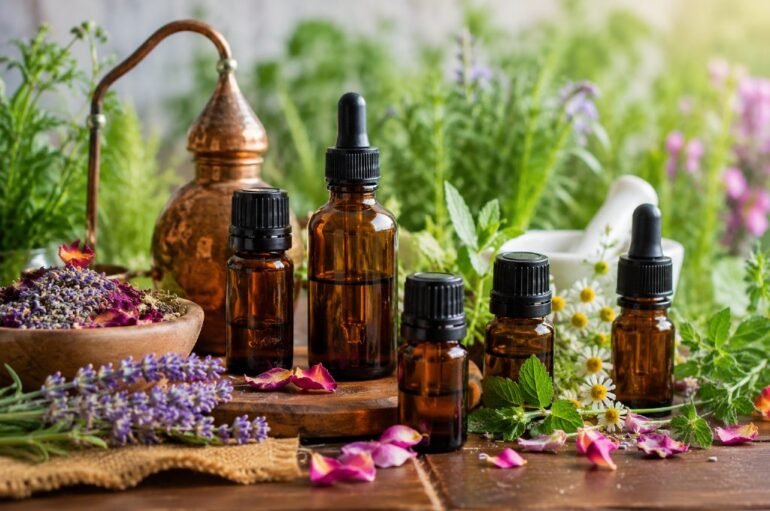
India has long been a global hub for the extraction and distribution of botanical extracts, thanks to its diverse climatic zones and rich tradition of Ayurvedic practices. When looking for essential oil suppliers in india, it is crucial to partner with entities that prioritize purity, sustainable sourcing, and rigorous testing standards. These suppliers bridge the gap between traditional steam distillation methods and modern logistical requirements, ensuring that high-grade oils reach global markets for use in aromatherapy, cosmetics, and pharmaceuticals. Selecting a reliable partner involves evaluating their certification portfolio, their relationship with local farmers, and their ability to provide consistent chemical profiles across different batches.
The Growth of the Indian Essential Oil Market
The demand for natural extracts has surged as global consumers shift away from synthetic fragrances and chemical additives. India’s geographic advantage allows for the cultivation of a vast array of botanical species, from the lavender fields in the north to the sandalwood forests of the south. This biodiversity provides a robust foundation for the industry, allowing for a steady supply of raw materials throughout the year.
The infrastructure for processing these raw materials has seen significant technological advancements. Modern distillation plants now utilize stainless steel equipment and precision temperature controls to preserve the volatile compounds that give essential oils their therapeutic properties. This evolution has solidified the country’s reputation as a primary source for international buyers seeking bulk quantities of high-purity oils.
Quality Standards and International Certifications
Quality assurance is the most critical factor when evaluating a wholesale partner. Because essential oils are highly concentrated, any impurities or adulterants can compromise the safety and efficacy of the final product. Reputable organizations adhere to international standards such as ISO (International Organization for Standardization) and GMP (Good Manufacturing Practices).
Buyers should look for suppliers who provide comprehensive documentation for every batch, including:
- COA (Certificate of Analysis): This document outlines the physical and chemical properties of the oil.
- MSDS (Material Safety Data Sheet): Essential for understanding handling, storage, and transport safety.
- GC-MS Reports: Gas Chromatography-Mass Spectrometry is the gold standard for verifying the chemical composition and detecting any potential fillers or synthetic additives.
Diversity of Botanical Extracts Available
The range of products offered by the top Indian distributors is extensive, covering everything from common household scents to rare, exotic absolutes. Some of the most sought-after oils include:
Peppermint and Mentha Arvensis
India is a leading producer of Mentha Arvensis. This oil is widely used in oral care products, topical balms, and the food industry for its cooling sensation and high menthol content.
Lemongrass and Citronella
Grown predominantly in the southern and eastern regions, these oils are staples in the fragrance and insect repellent industries. Their crisp, citrusy aroma and antifungal properties make them highly versatile.
Rose and Jasmine Absolutes
The floral industry in India is world-renowned. Extraction via solvent methods produces high-quality absolutes that are indispensable to the luxury perfume industry. These extracts require a massive volume of petals, making them some of the most valuable items in a supplier’s inventory.
Sustainable Sourcing and Ethical Practices
Sustainability has become a non-negotiable aspect of the supply chain. Ethical suppliers work directly with farming cooperatives to ensure fair wages and environmentally friendly harvesting techniques. This direct-from-farm approach not only supports local communities but also ensures the traceability of the product.
Sustainable practices include crop rotation, organic farming methods that avoid pesticides, and water conservation during the distillation process. By choosing a partner committed to these values, businesses can market their products to eco-conscious consumers with confidence.
The Distillation Process: From Field to Bottle
The method of extraction significantly impacts the quality of the oil. Steam distillation is the most common technique, where steam passes through the plant material, carrying the volatile oils into a condenser. The mixture then cools, and the oil is separated from the water (hydrosol).
Cold-pressed extraction is reserved primarily for citrus oils like orange and lemon, as heat can damage their delicate aromatic structures. Understanding these processes helps buyers select the right type of oil for their specific application, whether it be for candles, skincare, or ingestible products.
Logistical Capabilities and Bulk Packaging
For international businesses, the ability of a supplier to handle complex logistics is vital. This includes expertise in customs documentation, air and sea freight coordination, and the use of appropriate packaging materials. Essential oils are often light-sensitive and can react with certain plastics; therefore, high-quality suppliers use amber glass bottles for small quantities and epoxy-coated aluminum or galvanized steel drums for bulk shipments.
Efficiency in lead times and the ability to maintain stock levels are also key indicators of a professional operation. A supplier with a global reach will have established partnerships with courier services to ensure that the oils arrive at their destination without degradation.
Applications in Modern Industries
The versatility of essential oils means they are utilized across a wide spectrum of commercial sectors:
- Aromatherapy: Pure oils are used in diffusers and massage oils to promote wellness and stress relief.
- Cosmetics and Skincare: Natural extracts provide both scent and functional benefits, such as the anti-inflammatory properties of Tea Tree or the rejuvenating effects of Frankincense.
- Personal Care: Shampoos, soaps, and lotions rely on these oils for their natural fragrance profiles.
- Pharmaceuticals: Many oils contain active compounds used in traditional and modern medicine, such as eucalyptus for respiratory health.
Navigating Price Volatility in the Market
The price of essential oils can fluctuate based on crop yields, weather patterns, and global demand. For instance, a poor monsoon season can significantly reduce the output of certain floral oils, leading to price spikes. Experienced buyers often establish long-term contracts with their preferred partners to hedge against these fluctuations and ensure a consistent supply.
Transparency in pricing is a hallmark of a trustworthy supplier. While low prices may be tempting, they often indicate dilution or the use of synthetic substitutes. Investing in pure, undiluted oils ensures the integrity of the end-user’s product and protects the brand’s reputation.
The Role of Research and Development
Leading companies in the Indian sector invest heavily in R&D to improve extraction yields and develop new blends. This innovation allows them to offer customized solutions to clients, such as specific fragrance profiles or oils with standardized levels of certain chemical constituents.
Collaboration between the buyer and the supplier’s technical team can lead to the development of unique products that stand out in a crowded market. Whether it is creating a signature scent for a hotel chain or a functional oil blend for a new skincare line, the technical expertise of the supplier is a valuable asset.
Trends Shaping the Future of the Industry
The move toward “Clean Beauty” and “Green Chemistry” is driving the industry toward even greater transparency. Consumers now want to know the exact origin of their products, leading to the rise of blockchain technology in the supply chain for 100% traceability.
Additionally, there is a growing interest in lesser-known oils indigenous to India, such as Nagarmotha (Cypriol) and Sugandh Mantri. These unique oils offer new aromatic possibilities for perfumers and aromatherapists looking to differentiate their offerings.
Choosing the Right Partner for Your Business
When finalizing a partnership, it is advisable to request samples before committing to a large order. Testing these samples in your specific formulations ensures compatibility and satisfaction. Communication is also key; a supplier who is responsive to technical queries and provides detailed answers is likely to be a reliable long-term collaborator.
Check for membership in industry bodies such as the Essential Oil Association of India (EOAI). Participation in these organizations indicates a commitment to staying updated on industry trends, safety regulations, and technological advancements.
Reliability in the Supply Chain
In the competitive landscape of natural extracts, finding a collaborator who understands the nuances of botanical chemistry is essential. The most successful essential oil manufacturers in india are those who maintain a balance between traditional wisdom and modern scientific validation. By focusing on rigorous testing, ethical sourcing, and efficient logistics, these companies ensure that the essence of India’s botanical heritage is delivered with integrity to every corner of the globe.
In conclusion, the journey of an essential oil from a small farm in rural India to a retail shelf in London or New York is a testament to the sophistication of the Indian botanical industry. Whether you are a small business owner looking for aromatherapy supplies or a large-scale manufacturer requiring metric tons of raw material, the infrastructure exists to meet your needs. By prioritizing quality and transparency, you can harness the power of nature to create products that resonate with today’s health-conscious and environmentally aware consumers.