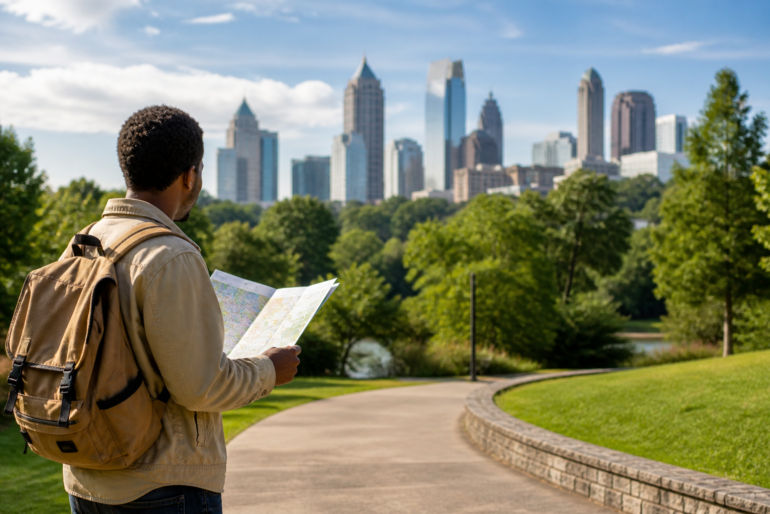
North America Atlanta is one of those city topics that sounds simple at first, but the more you look into it, the more layers you find. Atlanta is not just another big city in the American South. It is a business hub, a cultural landmark, a food destination, a major airport gateway, and a city with deep roots in American history.
For travelers, Atlanta offers a rare mix. You can spend the morning walking through civil rights landmarks, eat lunch at a local Southern restaurant, visit a world-class attraction in the afternoon, and still have time for skyline views, shopping, music, or a game at night.
That is what makes Atlanta stand out in North America. It feels modern, busy, and ambitious, but it still carries a strong local personality.
Why North America Atlanta Attracts So Many Visitors
North America Atlanta is often searched by travelers who want to understand where Atlanta fits as a destination. The short answer is this: Atlanta is one of the most important cities in the southeastern United States.
It is the capital of Georgia and a major center for transportation, media, education, sports, food, and entertainment. Britannica describes Atlanta as Georgia’s largest city and a major trade and transportation center of the southeastern United States.
One big reason Atlanta matters is its airport. Hartsfield-Jackson Atlanta International Airport is regularly ranked among the busiest airports in the world. OAG reported that Atlanta remained the world’s busiest airport in 2025 by scheduled airline capacity, with 63.1 million seats.
That makes Atlanta a natural stop for domestic and international travelers. Many people first meet the city through a layover. But those who leave the airport often discover that Atlanta deserves much more than a quick connection.
First Impression: What Kind of City Is Atlanta?
Atlanta is fast-moving, but it is not cold. It has the energy of a large business city, yet many neighborhoods still feel personal and local.
Downtown brings museums, hotels, event venues, and major attractions. Midtown feels more artsy and walkable, with parks, restaurants, theaters, and nightlife. Buckhead is known for shopping, upscale hotels, and dining. East Atlanta, Old Fourth Ward, Inman Park, and Little Five Points bring a more creative, local feel.
For a first-time visitor, this variety is helpful. You do not need to experience Atlanta in only one way. You can plan a history-focused trip, a food weekend, a family vacation, a sports trip, or a relaxed city break.
Best Places to Visit in North America Atlanta
Atlanta has a long list of attractions, but the best ones depend on the kind of traveler you are. Some places are famous for a reason, while others are better for people who want a more local experience.
Georgia Aquarium
The Georgia Aquarium is one of Atlanta’s most popular family attractions. It is located near Centennial Olympic Park, which makes it easy to pair with other downtown stops.
It is especially good for families, couples, and first-time visitors who want a major indoor attraction. On hot summer days or rainy afternoons, this is one of the easiest places to enjoy without worrying about the weather.
Plan enough time here. A rushed visit can feel overwhelming because there is a lot to see.
World of Coca-Cola
World of Coca-Cola is another well-known downtown attraction. It works best for visitors who enjoy brand history, pop culture, and interactive exhibits.
Since Coca-Cola has a strong connection to Atlanta, the attraction feels tied to the city rather than randomly placed there. It is not only about tasting drinks. It also shows how one brand became part of global culture.
National Center for Civil and Human Rights
For many travelers, this is one of the most meaningful stops in Atlanta. The National Center for Civil and Human Rights connects the American civil rights movement with broader human rights stories around the world.
It is powerful, emotional, and educational. This is not just a museum you walk through quickly. Give yourself time to read, listen, and reflect.
Martin Luther King Jr. National Historical Park
A visit to Atlanta feels incomplete without understanding its civil rights history. The Martin Luther King Jr. National Historical Park gives visitors a closer look at Dr. King’s early life, legacy, and the neighborhood that shaped him.
The King Center, founded by Coretta Scott King, is the official living memorial dedicated to Dr. Martin Luther King Jr.’s legacy. It includes meaningful memorial spaces and is visited by people from around the world.
This area is best visited with patience. It is not a place to rush for a photo. It is a place to slow down and understand why Atlanta holds such an important role in American history.
Atlanta History Center
If you want a wider look at the city’s past, the Atlanta History Center is worth your time. Its campus covers 33 acres and includes exhibitions connected to the Civil War, civil rights, railroads, sports, arts, and other stories that shaped Atlanta.
This is a smart stop for travelers who want context. Atlanta is a city of reinvention, and the History Center helps explain how it became what it is today.
Piedmont Park
Piedmont Park is Atlanta’s classic green space. It is a favorite for walking, jogging, picnics, skyline views, festivals, and casual afternoons.
If you are visiting Midtown, it is easy to build Piedmont Park into your day. You can walk through the park, visit nearby restaurants, or continue toward the Atlanta Botanical Garden.
This is also one of the best places to see local life. Tourists visit, but locals use it constantly.
Atlanta Botanical Garden
Next to Piedmont Park, the Atlanta Botanical Garden gives visitors a quieter, more scenic break from the city. It is especially beautiful in spring and during seasonal displays.
For couples, photographers, families, or anyone who enjoys peaceful outdoor spaces, this is a strong choice. It also adds balance to a trip that might otherwise be full of museums and busy downtown attractions.
Centennial Olympic Park
Centennial Olympic Park was built as part of Atlanta’s 1996 Olympic legacy. Today, it sits near several major attractions, including the Georgia Aquarium, World of Coca-Cola, and the National Center for Civil and Human Rights.
It is a useful starting point for first-time visitors because so many downtown highlights are nearby. Even if you do not spend long there, it helps you understand Atlanta’s role as a major event city.
Best Neighborhoods to Experience Atlanta Like a Local
The real personality of Atlanta shows up in its neighborhoods. Downtown is useful, but the neighborhoods make the trip feel alive.
Midtown
Midtown is one of the easiest areas for visitors. It has hotels, restaurants, cultural venues, parks, and access to public transit.
It is a good base if you want a balanced trip. You can reach museums, parks, nightlife, and restaurants without feeling too far from the center.
Old Fourth Ward
Old Fourth Ward has become one of Atlanta’s most interesting neighborhoods. It blends history, food halls, trails, apartments, murals, and nightlife.
The Atlanta BeltLine passes through this area, making it great for walking, biking, eating, and people-watching. If you want Atlanta to feel modern and local at the same time, this neighborhood is a strong choice.
Inman Park
Inman Park is charming, leafy, and full of character. It is known for historic homes, restaurants, and a relaxed neighborhood feel.
This area is great for travelers who enjoy wandering without a strict plan. Walk a few blocks, stop for coffee, browse shops, and enjoy the slower pace.
Buckhead
Buckhead is more polished and upscale. It is known for luxury shopping, hotels, business travel, and fine dining.
If your trip leans toward comfort, shopping, or a more premium hotel experience, Buckhead may fit well. It is not the best area for every visitor, but it serves a specific style of travel nicely.
Little Five Points
Little Five Points feels completely different from Buckhead. It is colorful, alternative, artistic, and full of personality.
You will find vintage shops, murals, casual food, record stores, and street culture. It is better for travelers who like quirky neighborhoods rather than polished tourist districts.
Food Highlights in Atlanta
Food is one of Atlanta’s strongest travel experiences. The city has deep Southern roots, but it also has global influences and a growing modern dining scene.
You can find classic comfort food, barbecue, soul food, burgers, seafood, vegan restaurants, international cuisine, and chef-led dining.
Some food experiences worth building into a trip include:
- Southern breakfast or brunch
- Fried chicken or hot chicken
- Barbecue with classic sides
- Peach-inspired desserts or drinks
- Food halls such as Ponce City Market
- Local coffee shops in walkable neighborhoods
- International restaurants along Buford Highway
Atlanta’s food scene is not limited to one neighborhood. That is part of the fun. A smart food trip might include one polished dinner, one casual neighborhood lunch, and one local breakfast spot.
Travel Tips for Visiting North America Atlanta
A good Atlanta trip becomes much easier when you understand the city’s layout. Atlanta is spread out, and traffic can change your plans quickly.
Choose Your Hotel Based on Your Trip Style
Do not choose a hotel only because it says “Atlanta” in the name. Location matters.
Stay downtown if you want easy access to major attractions. Stay in Midtown if you want a balanced mix of parks, restaurants, and culture. Stay in Buckhead if shopping, business, and upscale hotels matter most. Stay near the airport only if you have an early flight or a short overnight stop.
Do Not Underestimate Traffic
Atlanta traffic is real. A place that looks close on a map may take longer than expected during rush hour.
Try to group attractions by area. For example, do downtown attractions on the same day. Save Midtown and Piedmont Park for another day. Visit Old Fourth Ward, the BeltLine, and Ponce City Market together.
This small planning habit can save time and frustration.
Use MARTA When It Makes Sense
MARTA, Atlanta’s public transit system, can be useful for airport access and some central areas. It is especially helpful if you are traveling between the airport, downtown, Midtown, and Buckhead.
However, not every neighborhood is equally easy by transit. For some places, rideshare or driving may be more practical.
Pack for the Season
Atlanta summers can be hot and humid. Spring and fall are usually more comfortable for walking. Winter is milder than many northern cities, but cold snaps still happen.
Comfortable shoes are important. Even if Atlanta is car-friendly, many attractions and neighborhoods involve walking.
Best Time to Visit Atlanta
Spring and fall are often the best seasons for Atlanta. The weather is usually pleasant, outdoor spaces feel more enjoyable, and the city has a lively event calendar.
Summer can still be fun, especially for families, but heat and humidity can make outdoor sightseeing tiring. If visiting in summer, plan indoor attractions during the hottest part of the day.
Winter is quieter and can be more affordable, depending on events and hotel demand. It is a good option for museums, food trips, and short weekend visits.
A Simple 3-Day Atlanta Itinerary
Here is a realistic way to enjoy Atlanta without packing the schedule too tightly.
Day 1: Downtown and Civil Rights History
Start near Centennial Olympic Park. Visit the Georgia Aquarium or World of Coca-Cola, depending on your interests.
In the afternoon, spend time at the National Center for Civil and Human Rights. Then visit the Martin Luther King Jr. National Historical Park or The King Center if your schedule allows.
End the day with dinner downtown, Midtown, or Old Fourth Ward.
Day 2: Midtown, Parks, and Local Dining
Begin at Piedmont Park. Walk through the park, then visit the Atlanta Botanical Garden.
Have lunch in Midtown or nearby. In the afternoon, visit the High Museum of Art or explore local cafes and shops.
In the evening, try a restaurant in Midtown, Inman Park, or Old Fourth Ward.
Day 3: BeltLine, Markets, and Neighborhoods
Spend your final day around the Atlanta BeltLine. Walk or bike part of the trail and stop at Ponce City Market.
Explore Old Fourth Ward or Inman Park. If you prefer something more alternative, head toward Little Five Points.
This day works well because it feels less like sightseeing and more like experiencing Atlanta’s everyday rhythm.
Family Travel in Atlanta
Atlanta is a strong family destination because many attractions are interactive and easy to understand for different ages.
Families often enjoy the Georgia Aquarium, Zoo Atlanta, Children’s Museum of Atlanta, Centennial Olympic Park, and outdoor time at Piedmont Park.
The key is not to overplan. Children can get tired quickly in a city, especially during summer. Mix one major attraction with one relaxed activity each day.
A good family day might include the aquarium in the morning, lunch nearby, and a slow afternoon at a park or hotel pool.
Atlanta for Couples
Atlanta can also work well for couples. It has rooftop bars, gardens, museums, stylish restaurants, parks, and walkable neighborhoods.
A couples’ trip might include the Atlanta Botanical Garden, dinner in Inman Park, a BeltLine walk, and a show or live music at night.
For a more relaxed romantic day, choose brunch, a slow park walk, coffee, and a scenic dinner instead of jumping between attractions.
Atlanta for Business Travelers
Many people visit Atlanta for conferences, meetings, airport connections, or corporate events. The city is practical for business travel because of its air access and large hotel market.
If you have limited free time, choose one nearby experience instead of trying to see everything. A business traveler staying downtown might visit the National Center for Civil and Human Rights or walk around Centennial Olympic Park. Someone in Midtown might enjoy Piedmont Park or a strong dinner nearby.
Even a short visit can give you a real taste of the city.
Safety and Practical Advice
Like any major city, Atlanta is best enjoyed with normal urban awareness. Stay aware of your surroundings, especially at night. Keep valuables secure. Use rideshare when walking routes feel too quiet or unfamiliar.
Tourist areas are generally manageable, but it is still smart to plan transportation in advance. When arriving late at the airport, know whether you are taking MARTA, a hotel shuttle, taxi, or rideshare before you land.
Also, check attraction hours before visiting. Museum schedules, special events, holidays, and private functions can affect your plans.
How Much Time Do You Need in Atlanta?
For most first-time visitors, two to three days is enough to see the main highlights without rushing too much.
One day is possible, but you will need to choose carefully. A one-day trip might focus on downtown attractions and civil rights landmarks.
Three days gives you a better mix of famous attractions, neighborhoods, parks, and food. Four or five days is ideal if you want to include day trips, sports events, or a slower pace.
Common Mistakes First-Time Visitors Make
The biggest mistake is treating Atlanta like a small, compact city. It is not. Distances, traffic, and neighborhood differences matter.
Another mistake is spending the entire trip downtown. Downtown has important attractions, but Atlanta’s personality becomes clearer when you visit Midtown, Old Fourth Ward, Inman Park, Buckhead, or other neighborhoods.
A third mistake is ignoring history. Atlanta is modern, but its past is one of the main reasons the city matters. Civil rights landmarks, historic neighborhoods, and museums add depth to the trip.
Is Atlanta Worth Visiting?
Yes, Atlanta is worth visiting if you enjoy cities with history, food, culture, parks, and strong local identity. It may not feel as instantly polished as some tourist-heavy cities, but that is part of its character.
North America Atlanta is a useful keyword because it frames Atlanta as more than a local destination. This city plays a major role in travel, business, music, sports, and American history across the continent.
The best way to enjoy Atlanta is to give it time. Do not only pass through the airport. Stay long enough to eat well, walk a neighborhood, visit a historic site, and see how the city blends old stories with new energy.
Final Thoughts on North America Atlanta
North America Atlanta is more than a place on a travel map. It is a city with movement, memory, creativity, and ambition. It has world-famous attractions, but its best moments often happen between the big stops: a walk on the BeltLine, a quiet moment at a memorial, a meal in a neighborhood restaurant, or a skyline view from the park.
Atlanta works best for travelers who enjoy variety. You can come for history, food, family fun, business, sports, or culture, and still leave with a different impression than you expected.
If you are planning your first visit, keep the trip balanced. See the major attractions, but leave space for neighborhoods and local experiences. That is where the city becomes more than a checklist.
In the last few decades, Atlanta has become one of the most recognizable cities connected with American travel, music, business, and civil rights. That combination gives the city its staying power.
For anyone searching North America Atlanta before planning a trip, the answer is simple: Atlanta is a destination worth taking seriously, not just passing through.
FAQs About North America Atlanta
What is Atlanta best known for?
Atlanta is best known for its civil rights history, major airport, Southern food, music culture, sports teams, business influence, and attractions like the Georgia Aquarium, World of Coca-Cola, and Martin Luther King Jr. National Historical Park.
Is Atlanta good for first-time visitors?
Yes, Atlanta is good for first-time visitors because it offers a mix of famous attractions, historic sites, parks, restaurants, and neighborhoods. The best experience comes from planning by area instead of trying to cross the city too many times in one day.
How many days are enough for Atlanta?
Two to three days are enough for a strong first visit. Three days gives you time for downtown attractions, civil rights landmarks, Midtown, parks, the BeltLine, and at least a few local food stops.
What is the best area to stay in Atlanta?
Downtown is best for major attractions, Midtown is best for a balanced city experience, Buckhead is best for shopping and upscale hotels, and airport-area hotels are best for short stays or early flights.
Is Atlanta a walkable city?
Some areas of Atlanta are walkable, especially Midtown, parts of Downtown, Old Fourth Ward, Inman Park, and areas near the BeltLine. However, the city is spread out, so visitors often combine walking with MARTA, rideshare, or driving.