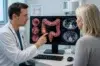
“Pilonidal Expert provides specialized information and guidance on pilonidal cyst diagnosis treatment and recovery to help patients understand symptoms care options.”
Pilonidal cysts are a typical disorder that develops in the top of the buttock crease around the tailbone. These cysts usually develop where the hair and debris become trapped beneath the skin, which causes inflammation and infection. Most individuals with symptoms begin to search on the internet in order to find a solution to their question like what doctor treats cysts and how the diagnosis works. This is important since early diagnosis by a medical professional can help avoid complications and promote successful treatment.
What Is a Pilonidal Cyst
A pilonidal cyst is a pocket beneath the skin that usually contains hair fragments dead skin cells and fluid. This condition commonly develops in the area just above the buttocks. Friction pressure and ingrown hairs can push hair into the skin which triggers an inflammatory reaction.
Some factors may enhance the chance of getting a pilonidal cyst. Individuals who spend a lot of time sitting particularly at work or in school may be at greater risk. Poor hygiene and tight clothing may also be a cause of excess body hair. In some individuals family history may play a role.
In the early stages the cyst may remain small and painless. However if bacteria enter the area the cyst may become infected and form an abscess filled with pus. When infection develops symptoms often worsen quickly which makes medical evaluation essential.
Early Signs That Require Diagnosis
Early detection of symptoms can enable individuals to obtain treatment before the complications set in. Typical symptoms are swelling of the tailbone region and tenderness in the region. Some individuals notice drainage of pus or blood from a small opening in the skin.
A foul odor may also occur if the cyst becomes infected. In more serious cases there can be fever or fatigue as the body reacts to infection. Once these symptoms manifest they should be checked by a cyst removal doctor so that they are well evaluated and diagnosed.
Neglecting these symptoms can allow the infection to penetrate further under the skin resulting in chronic sinu tracts and cystic recurrences. Early diagnosis can enable physicians to treat the issue prior to its further complications.
What Doctor Treats Cysts
Many patients wonder which doctor treats cysts when they first notice symptoms. Several medical specialists may diagnose and treat pilonidal cysts depending on the severity of the condition.
Dermatologists often treat skin conditions and can diagnose many types of cysts. General surgeons may become involved when drainage or surgical removal is required. In more complex or recurring cases colorectal surgeons frequently provide specialized care for pilonidal disease.
Others start with a primary care doctor who can assess the symptoms and issue a referral to a specialist in case of need. Clinics like the Pilonidal Expert are specialized in the diagnosis and treatment of pilonidal disease that enable patients to get specific treatment of skin cysts depending on the condition.
Initial Medical Evaluation
A discussion of symptoms and medical history usually initiates the diagnosis. The doctor is able to ask when the pain began, the presence or absence of drainage, and whether or not the same problems have happened previously. There can also be a check of such lifestyle issues as long sitting hygiene and family history.
After gathering medical history the doctor performs a physical examination of the tailbone area. During this exam the physician looks for small pits openings or tunnels in the skin which often indicate pilonidal disease. Swelling redness and tenderness may also be present especially if infection has developed.
Doctors also check for fluid drainage or abscess formation, which may require immediate treatment.
Diagnostic Methods Used by Doctors
In most cases pilonidal cysts are diagnosed through a physical examination alone. Experienced physicians can usually identify the condition by observing the typical pits or sinus openings near the tailbone.
The imaging tests are occasionally provided when the condition is complicated or recurrent. An ultrasound scan may be used to assess the cyst depth and extension of infection below the skin. MRI scans can be advised in case the doctors presume that there are many sinus tracts or involvement in deeper tissue.
In case the cyst is releasing fluid, the doctors can examine the discharge to determine the bacteria that are causing the infection. This data is used to inform antibiotic treatment as necessary.
Types of Pilonidal Conditions Identified During Diagnosis
During evaluation doctors determine the exact type of pilonidal condition. Some patients have an acute pilonidal abscess which involves a sudden painful infection. Others develop a chronic pilonidal sinus where tunnels form beneath the skin and cause repeated drainage.
In others there are recurrent cysts in which patients have previously been treated, but the cysts recur. By determining the exact type of condition, physicians will prescribe the best skin cyst treatment in order to get long-term relief.
Treatment Planning After Diagnosis
After diagnosis doctors develop a treatment plan depending on how severe the condition is. Antibiotics and good wound care can cure mild infections. When an abscess develops doctors might carry out drainage as a measure to relieve the pressure and eliminate infected fluid.
Surgical removal may be suggested in case of chronic or recurring cysts. An expert cyst excision surgeon considers each case on a case-by-case basis to decide on the best method.
Hair removal, better hygiene regimes and lifestyles, which do not put pressure on the affected region can also be included in treatment plans. Many patients wonder which doctor treats cysts when they first notice symptoms. If you are unsure which specialist to consult you can read Not sure what doctor treats your cyst start here for helpful guidance.
Conclusion
Pilonidal cysts can cause discomfort and recurring infections if left untreated. Diagnosis typically involves reviewing symptoms performing a physical examination and occasionally using imaging tests to evaluate the affected area. Understanding what doctor treats cysts helps patients seek the right specialist early. With proper diagnosis and expert skin cyst treatment most patients can achieve relief and prevent future complications.
Disclaimer
This content is for informational purposes only and does not replace professional medical advice diagnosis or treatment. Always consult a qualified healthcare professional regarding symptoms diagnosis and treatment decisions.