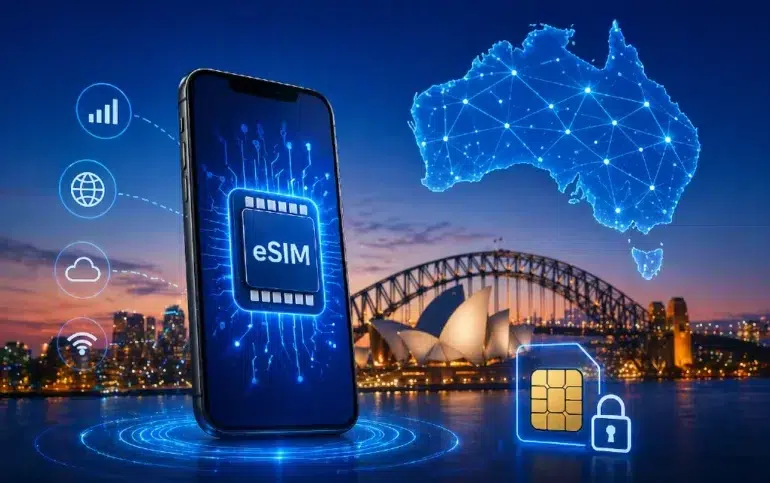
The advent of eSIM in Australia is heralding a new era in digital connectivity. As the traditional SIM card begins to phase out, eSIM technology offers a seamless transition to the next generation of mobile communication. This shift promises enhanced flexibility for consumers and businesses alike, ultimately transforming the mobile landscape.
Understanding eSIM Technology
The term “eSIM” stands for “embedded SIM,” a technology that is integrated directly into a device rather than being removable. Unlike conventional SIM cards, eSIMs are software-based, eliminating the need for a physical card swap when changing networks or phone numbers. This advancement is particularly beneficial for those who travel frequently or operate in areas with variable network coverage.
The Growing Popularity of eSIMs
In recent years, eSIM technology has rapidly gained traction within the mobile industry. Australia, known for its adoption of innovative technologies, is at the forefront of this transition. Major telecommunications providers are increasingly supporting eSIM-compatible devices, paving the way for a broader market uptake.
Benefits of eSIM Technology
One of the most significant benefits of eSIMs is the convenience they offer. Users can switch between different network providers without needing to acquire new physical SIM cards. This capability allows for easier management of mobile plans and usage, as well as potential cost savings.
Moreover, eSIMs enhance device design by removing the need for a SIM tray, allowing more space for other components or a smaller device profile. This element contributes to the development of sleeker and more integrated smartphones, tablets, and wearables.
eSIM and the Environment
In addition to consumer benefits, eSIM technology holds substantial environmental advantages. The elimination of physical SIM cards reduces the production and waste associated with plastic components and packaging. This reduction in physical waste signifies a step forward in the push towards more sustainable technology practices.
Implementation Challenges
Despite its potential, the widespread adoption of eSIM technology is not without challenges. Some consumers express hesitation due to concerns over digital security and privacy. Ensuring these aspects are addressed is vital for fostering trust in eSIM technology.
Additionally, the transition from traditional SIM cards requires cooperation between device manufacturers, network operators, and regulatory bodies to ensure compatibility and smooth user experiences.
The Role of Telecommunications Providers
Telecommunications providers play a crucial role in the adoption of eSIM technology. Their commitment to supporting and promoting eSIM-compatible devices and services is essential for accelerating the transition. By investing in comprehensive eSIM infrastructure and user education, providers can facilitate a smoother transition for their customers.
Future Prospects for eSIM in Australia
As the rollout of eSIM technology continues, its impact on the Australian market is poised to expand significantly. The convenience, environmental benefits, and technological advancements that eSIMs bring make them a promising prospect for the future of mobile connectivity in Australia.
Consumer Awareness and Education
For the eSIM revolution to gain momentum, consumer awareness and education are paramount. Users need to understand how eSIM technology works, its benefits, and how to optimally utilise it. Telecommunications companies and device manufacturers alike should prioritise transparent sharing of information and guidance.
Conclusion
In summary, eSIM technology represents a leap forward in mobile connectivity for Australians. The transition from traditional SIM cards to eSIMs offers numerous advantages, including enhanced flexibility and convenience, as well as environmental benefits. As understanding and infrastructure improve, eSIM technology is likely to become the standard for mobile communications not only in Australia but globally.