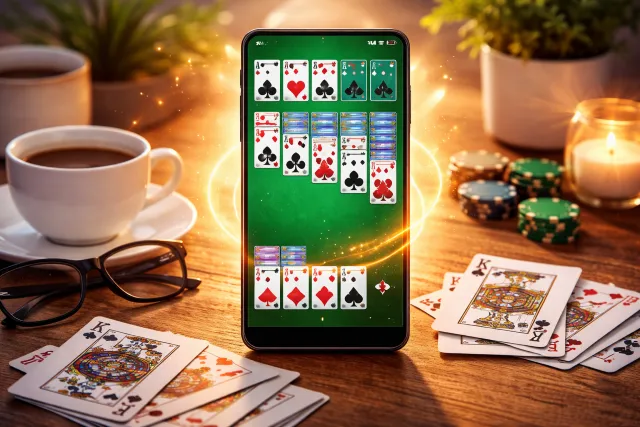
In a digital world filled with constant notifications, fast-paced videos, and attention-grabbing content, many people are actively seeking quieter forms of entertainment. Low-stimulation activities have become increasingly appealing for individuals who want to relax without overwhelming their senses. Among the many options available, free solitaire stands out as a trusted and familiar choice. Its simplicity, accessibility, and calming nature make it a preferred app for users looking to unwind without mental overload.
The Appeal of Simplicity in a Busy Digital Landscape
Modern apps are often designed to capture attention through bright visuals, complex mechanics, and rapid feedback loops. While this design works for some, it can feel exhausting for others. Free solitaire offers a refreshing contrast by focusing on a single, straightforward objective. The game does not demand fast reactions or constant decision-making under pressure. Instead, it allows players to move at their own pace, making it ideal for moments when relaxation is the priority.
The rules of solitaire are widely known, which removes the learning curve that many games require. This familiarity allows users to engage instantly without cognitive strain. Because free solitaire does not rely on sound effects, flashing animations, or competitive elements, it creates a quiet digital environment that supports mental rest. Players can focus on the rhythm of the game itself, enjoying a sense of order and predictability that is often missing from modern entertainment platforms.
Another reason for its simplicity is its adaptability to short or long sessions. Whether someone has a few minutes during a break or wants to relax for an extended period, free solitaire accommodates both. This flexibility makes it an easy companion throughout the day, fitting naturally into different routines without demanding full attention.
Supporting Mental Calm and Focus
Low-stimulation entertainment is often associated with reduced stress and improved focus, and free solitaire aligns perfectly with these goals. The game encourages gentle concentration without creating urgency. Players can pause, think, and plan their moves without consequences, which helps maintain a calm mental state. This balance between engagement and relaxation is one of the main reasons people return to free solitaire regularly.
The repetitive yet purposeful nature of the gameplay can also be soothing. Sorting cards, organizing suits, and gradually clearing the board provide a sense of progress that feels rewarding without being intense. This steady pace can help quiet racing thoughts, making the game particularly appealing during moments of anxiety or mental fatigue. Many users find that free solitaire helps them decompress after long workdays or mentally demanding tasks.
There is also value in the sense of control the game provides. Unlike many apps that rely on unpredictable outcomes or constant updates, solitaire operates within a clear and stable structure. This predictability can be comforting, especially for users seeking a reliable way to relax. The absence of competitive pressure or social comparison further enhances its calming effect, allowing players to focus solely on their own experience.
Accessibility Across Ages and Lifestyles
One of the strongest advantages of free solitaire is its broad accessibility. The game appeals to users across different age groups, from younger individuals discovering classic card games to older adults who have enjoyed solitaire for decades. Its intuitive design makes it easy to use regardless of technical skill, which contributes to its popularity as a low-stimulation app.
Free solitaire is also widely available across devices, including smartphones, tablets, and computers. This availability ensures that users can enjoy the game wherever they are, without the need for specialized hardware or paid subscriptions. The ease of access removes barriers and allows more people to incorporate low-stress entertainment into their daily lives.
Another factor contributing to accessibility is the offline capability many versions offer. Without the need for constant internet connectivity, free solitaire provides uninterrupted gameplay that feels private and personal. This independence from external inputs reinforces its role as a peaceful pastime, free from ads, alerts, or social distractions that can disrupt relaxation.
A Familiar Comfort in Digital Form
Nostalgia plays a meaningful role in why free solitaire continues to resonate with users. For many, the game is associated with earlier experiences, whether playing with physical cards or enjoying the digital version on early computers. This familiarity creates a sense of comfort that modern, complex games often lack. Returning to free solitaire can feel like revisiting a trusted routine, offering reassurance through familiarity.
This emotional connection enhances the game’s appeal as low-stimulation entertainment. Players are not just passing time; they are engaging with something that feels safe and dependable. The gentle challenge combined with a known structure allows users to relax without disengaging completely. Free solitaire becomes a quiet space where the mind can rest while still remaining lightly active.
The enduring popularity of free solitaire highlights a broader shift toward mindful digital habits. As more people recognize the impact of overstimulation, simple and calming apps are gaining renewed appreciation. Free solitaire exemplifies how digital entertainment does not need to be loud or complex to be enjoyable. Its timeless design and calming presence ensure it remains a go-to option for anyone seeking low-stimulation entertainment in an increasingly noisy digital world.