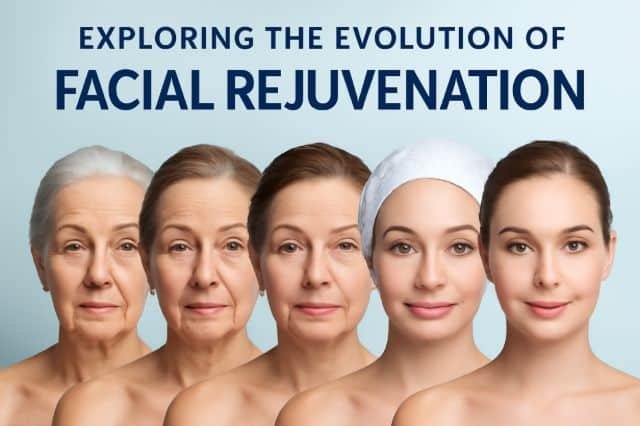
Over the years, facial rejuvenation has advanced from simple skincare routines to sophisticated surgical procedures. This evolution reflects our deepening understanding of aging, as well as the growing demand for personalized, lasting results. Today, both non-invasive and surgical options provide a wide spectrum of choices for individuals seeking to maintain or restore youthful facial contours. Let’s take a closer look at how facial rejuvenation has transformed and where it’s headed.
The Early Days: Skin-Deep Solutions
In the early stages of cosmetic enhancement, facial rejuvenation mostly focused on surface treatments. Creams, masks, and facials aimed to hydrate and smooth the skin, offering temporary results. While these methods provided some visible improvements, they didn’t address the deeper structural changes that come with aging, such as sagging skin, loss of volume, and muscle laxity. At that time, options were limited, and the idea of cosmetic surgery was often reserved for the elite or those in the public eye.
Rise of Non-Surgical Innovations
The late 20th century saw a rise in non-surgical facial rejuvenation. Technologies like laser resurfacing, chemical peels, and dermabrasion gained popularity for their ability to reduce fine lines, scars, and sun damage. The introduction of Botox and dermal fillers revolutionized the field by offering ways to reduce wrinkles and restore volume without the need for downtime or surgery. These treatments opened the door for people who were interested in subtle, gradual enhancements rather than dramatic changes.
The Shift Toward Comprehensive Solutions
While non-invasive treatments proved to be effective, they couldn’t always deliver the transformative results some patients desired. This led to a renewed interest in surgical options like the facelift and neck lift. These procedures offer long-term improvements by repositioning underlying tissue, removing excess skin, and tightening muscles for a more youthful and natural appearance.
Modern surgical techniques have made significant strides in minimizing scarring and reducing recovery time. For individuals considering both function and aesthetics, procedures such as a facelift and neck lift in Chicago offer a tailored solution that addresses aging in the lower face and neck more holistically.
Integrating Technology and Technique
Today’s facial rejuvenation blends artistry with medical expertise. Surgeons now use advanced imaging, digital simulations, and precision tools to plan and execute highly customized procedures. An increasing number of practitioners combine surgical and non-surgical methods to optimize results. For example, a patient may undergo a facelift and later complement their results with skin resurfacing or filler treatments to refine texture and maintain volume.
Moreover, regenerative techniques like fat grafting and the use of growth factors are gaining attention for their ability to enhance healing and rejuvenation at a cellular level. These developments underscore the field’s shift toward holistic approaches that not only lift but also restore vitality to the skin and tissue.
What Patients Want Today
Modern patients value personalization, natural results, and longevity. They are more informed than ever before and are seeking treatments that align with their lifestyle and goals. Rather than erasing age, the emphasis is on looking refreshed, rested, and confident. This has led to greater openness about cosmetic procedures, with people of all ages considering facial rejuvenation earlier as a proactive measure rather than a reactive fix.
Additionally, the stigma once associated with cosmetic surgery has significantly diminished. This has encouraged more men and younger adults to explore options tailored to their needs, contributing to the broadening appeal and acceptance of facial rejuvenation.
Looking Ahead
The future of facial rejuvenation lies in continued innovation and patient-focused care. We can expect even more seamless integration between science and aesthetics, with ongoing developments in minimally invasive techniques, bio-compatible materials, and AI-assisted surgical planning.
As the industry continues to evolve, one thing remains constant: the goal of helping individuals look and feel their best. Whether through advanced skincare or expertly performed surgery, the journey of facial rejuvenation is becoming more accessible, refined, and transformative than ever before.