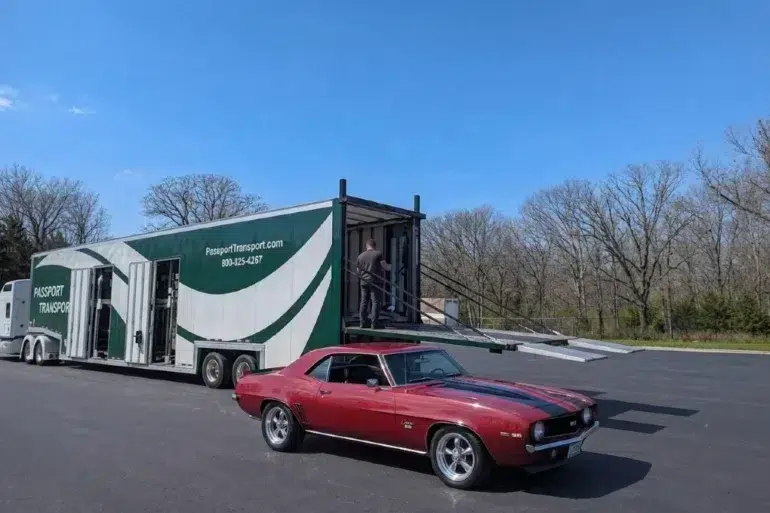
Why Modified and Custom Vehicles Require Special Shipping Considerations
Modified and custom vehicles are fundamentally different from factory-stock cars. They are not just modes of transportation; they are moving investments, often carrying significant emotional and financial value. Because of unique aftermarket components, custom paint jobs, and altered engineering, these vehicles face a much higher risk of damage if they are improperly handled or transported using standard auto shipping methods.
Shipping a specialty vehicle requires meticulous planning, precise execution, and an understanding of the unique physics of modified cars. Readers will learn exactly how to prepare their custom rides for transit, what details to communicate to carriers, and how to select the right transport options. Entrusting your prized possession to an amateur can result in catastrophic damage, which is why working with an experienced carrier like Passport Transport—a leader with decades of experience handling high-value, exotic, and specialty vehicles—makes all the difference.
What Counts as a Modified or Custom Vehicle?
Before booking a transport trailer, it is essential to define what makes a vehicle “modified” in the eyes of an auto transporter. Any change that alters the factory dimensions, ground clearance, weight distribution, or value puts a vehicle into this category.
Performance Upgrades
- Turbochargers & Superchargers: Forced induction systems that change engine bay configurations and add valuable, fragile plumbing.
- Engine Swaps: Non-factory engines that may alter the vehicle’s weight distribution or require custom hood clearances.
- Exhaust Systems: Oversized or low-hanging aftermarket exhaust pipes and tips that are prone to scraping on standard loading ramps.
Exterior Customizations
- Body Kits & Spoilers: Aftermarket fiberglass or carbon fiber components that extend beyond factory parameters.
- Wide-Body Kits: Modifications that increase the physical width of the vehicle, requiring wider trailer tracks.
- Custom Paint & Vinyl Wraps: Highly sensitive exterior finishes that are vulnerable to micro-scratches, rock chips, and UV exposure.
Suspension Modifications
- Lowered Vehicles:Cars dropped on static springs or coilovers that possess minimal ground clearance.
- Lifted Trucks: Trucks with suspension lifts and oversized dimensions that challenge standard overhead clearance limits on trailers.
- Air Suspension: Systems that must be properly secured so air bags do not deflate or shift during transit.
Specialty Wheels and Tires
- Oversized Wheels: Deep-dish or large-diameter rims that can easily be curbed or scratched by standard tie-down chains.
- Low-Profile & Off-Road Tires: Tires requiring specific tie-down strategies (like over-the-tire straps) to prevent wheel and alignment damage.
Luxury and Collector Modifications
- Restomod Vehicles: Classic bodies equipped with modern powertrains, electronics, and suspension geometries.
- Exotic Modifications: High-end supercars outfitted with aftermarket carbon fiber aero packages, requiring hyper-specialized handling.
Why Modified Vehicles Face Higher Transport Risks
Standard car haulers are designed to move mass-produced, factory-spec vehicles. When a modified car interacts with standard equipment, the risks multiply:
- Reduced Ground Clearance: Low front splitters, side skirts, and rear diffusers can easily crack, scrape, or tear off entirely on steep loading ramps.
- Increased Vehicle Width: Wide-body kits leave almost zero margin for error when driving a car between the structural pillars of a car transport trailer.
- Fragile Aftermarket Parts: Carbon fiber components are highly brittle and cannot withstand the physical stresses or vibrations that factory polyurethane bumpers can endure.
- Expensive Paint Protection: Custom paint or delicate vinyl wraps can be ruined by a single rogue rock chip or fluid leak from a vehicle parked on an open deck above.
- Custom Wheels Susceptible to Damage: Standard metal chains or rough hooks used by low-cost transporters can gouge custom alloy wheels.
- Greater Financial Investment: A mistake on a highly modified vehicle doesn’t just mean ordering a factory replacement part; it often involves custom fabrication and weeks of specialized labor.
Choosing the Right Shipping Method for Custom Vehicles
Selecting the correct transport configuration is the single most important decision you will make.
Enclosed Auto Transport
This is the gold standard for modified, luxury, and collector cars. Enclosed transport offers maximum protection from unpredictable weather, harsh UV rays, road debris, and potential vandalism. For cars with low clearance, custom paint, or extensive carbon fiber accents, an enclosed trailer is highly recommended to guarantee the vehicle arrives in pristine condition.
Open Auto Transport
While open transport is highly budget-friendly, it leaves your car exposed to the elements. It is generally only suitable for vehicles with minor, durable modifications (like a mild engine tune or upgraded interior electronics) that maintain factory ride height and standard exterior dimensions.
Door-to-Door Delivery
Instead of forcing you to drive your low-clearance or high-horsepower vehicle to a busy, central terminal, door-to-door shipping offers ultimate convenience. It vastly reduces vehicle handling and minimizes the risk of damage during transitions between multiple trucks or storage yards.
Step-by-Step Checklist Before Shipping a Modified Vehicle
Document Every Modification
Create a comprehensive list of every aftermarket part installed on your vehicle. Share this exact inventory with your transporter so they know precisely what components require extra attention.
Take High-Quality Photos
Capture high-resolution images of the vehicle immediately before loading. Take photos of the exterior, interior, wheels, engine bay, accessories, and any existing minor blemishes to establish an undeniable baseline of the vehicle’s pre-shipping condition.
Measure Vehicle Dimensions
Do not rely on the factory manual. Grab a tape measure and document the exact:
- Ground clearance (especially the lowest point of the front splitter or exhaust)
- Total height (to the highest point of a lift kit or spoiler)
- Total width (mirror to mirror, or wide-body fender to fender)
- Wheelbase and overall length
Check Mechanical Condition
Ensure the battery is fully charged, tire pressure is correct, and the steering and brakes function perfectly. Inspect the vehicle underneath for any fluid leaks, as leaking fluids can damage other vehicles or the transport trailer itself.
Remove Loose Accessories
Take off anything that could catch the wind or vibrate loose during transit. This includes roof racks, bike racks, magnetic signs, and all personal belongings from the cabin and trunk.
Secure Custom Components
Double-check that body kits, splitters, side skirts, and rear diffusers are tightly fastened. If your vehicle uses hood pins or aftermarket mirrors, make sure they are locked down securely.
Leave Minimal Fuel
Keep the fuel tank at approximately one-quarter (1/4) full. This provides enough fuel for the driver to load and unload the vehicle safely while minimizing unnecessary weight on the trailer.
Information You Should Share With Your Auto Transport Company
Open communication prevents accidents. Always provide your transport coordinator with explicit details regarding:
- Suspension Adjustments: Clearly state if the vehicle is exceptionally low or features a massive lift kit and oversized tires.
- Wide-Body Dimensions: Provide the precise width to ensure the vehicle fits safely on the ramps and inside the trailer bays.
- Special Operational Quirks: If your car features an aftermarket air suspension system, custom ignition sequences, or unique hood pins, explicitly detail how to operate them.
- Operational Status: Always disclose if the vehicle is a non-runner, as this requires specialized winching equipment to load safely without damaging custom bumpers.
What to Expect During Vehicle Pickup
When the carrier arrives, a structured process ensures both parties are protected:
- Driver Arrival & Verification: The professional driver will arrive at the designated location and verify your identity and vehicle paperwork.
- The Initial Inspection: Together, you and the driver will thoroughly examine the vehicle. The driver will note the current condition on the Bill of Lading (BOL).
- Discussion of Modifications: Point out the lowest clearpoints, fragile body kits, and specific tie-down locations.
- Safe Loading Procedures: Experienced carriers utilize specialized loading ramps, lift gates, or low-angle approach ramps to smoothly guide low-clearance vehicles into the trailer without scraping.
- Finalizing Paperwork: Review the condition report, sign the Bill of Lading, and confirm the exact delivery address and emergency contact details.
How Professional Carriers Protect Modified Vehicles During Transport
Premium auto transport companies use specialized equipment designed to accommodate non-standard vehicles.
Specialized Loading Equipment
Top-tier carriers utilize hydraulic lift gates that keep the vehicle transport completely level while raising it to the trailer deck, completely eliminating the risk associated with steep ramp inclines. For trailers utilizing ramps, extended, low-angle ramp extensions are used to accommodate ultra-low splitters.
Proper Securement Techniques
Professional drivers never use crude metal chains over the axles of custom cars. Instead, they utilize soft over-the-tire straps or chassis-specific tie-downs. This ensures the vehicle is entirely secure without placing undue stress on aftermarket suspension systems or scratching custom wheels.
Route Planning
Experienced logistics teams actively plan routes to avoid known construction zones, severely rough roads, low-clearance bridges, and extreme weather systems, ensuring a smooth, vibration-free journey for your custom build.
Common Mistakes to Avoid When Shipping a Modified Vehicle
- Choosing the Cheapest Quote: Discount brokers routinely contract untrained drivers who lack the specialized equipment required to load modified cars safely.
- Not Disclosing Modifications: Failing to mention a lift kit or wide-body kit can result in the carrier arriving with a trailer that cannot physically fit your vehicle, causing massive delays and cancellation fees.
- Skipping Pre-Shipping Photos: Without photographic evidence, proving that a scratch or a cracked carbon fiber splitter occurred during transit is incredibly difficult.
- Ignoring Insurance Coverage: Never assume standard car carrier insurance covers the full value of your high-end aftermarket parts. Always verify the coverage limits before handing over the keys.
Insurance and Documentation for Specialty Vehicle Shipping
Before your vehicle leaves your driveway, verify the carrier’s cargo insurance policy limits. Ensure the total value of your vehicle—including the cost of all aftermarket modifications—falls well within their coverage cap.
Keep your modification receipts, professional vehicle appraisals, and recent maintenance records neatly organized. In the rare event that you need to file a transport claim, having clear documentation of the financial investment and pre-transit condition of your custom build will drastically speed up the claims process.
Tips for Shipping Lowered, Lifted, and Performance Vehicles
Lowered Cars
Lowered cars present an extreme risk of front splitter, bumper, and side skirt scraping during transit. Professional carriers solve this challenge by using hydraulic lift gates or specialized low-angle ramp extensions to keep the vehicle completely level.
Lifted Trucks
The primary obstacles for lifted trucks are excessive vertical height and oversized off-road tracking widths. Transporters manage this by assigning these vehicles to specialized flatbeds or low-boy trailers that easily clear overhead barriers.
High-Performance Cars
High-horsepower engines and ultra-soft, delicate race tires require gentle treatment. Drivers minimize mileage during the loading process, store the vehicles in climate-controlled enclosed spaces, and secure them using soft over-the-tire straps to protect the alignment.
Why Experience Matters When Choosing a Vehicle Transport Company
Shipping a custom vehicle is not the time to take a gamble on an unproven carrier. True transport professionals possess specialized training, understand the delicate nature of custom suspension geometries, and maintain transparent, consistent communication throughout the entire journey.
With nationwide shipping capabilities, immaculate customer reviews, proper Department of Transportation (DOT) licensing, and comprehensive insurance coverage, an experienced carrier delivers something far more valuable than just your car—they deliver absolute peace of mind.
Frequently Asked Questions About Shipping Modified and Custom Vehicles
Can modified cars be shipped safely?
Yes. When handled by a specialized carrier utilizing the proper equipment—such as hydraulic lift gates, low-angle ramps, and soft wheel straps—the risk of damage is virtually eliminated.
Is enclosed transport necessary for custom vehicles?
While not legally mandatory, enclosed transport is strongly recommended for any vehicle featuring custom paint, delicate vinyl wraps, low ground clearance, or expensive carbon fiber body components.
Will modifications increase shipping costs?
Potentially. If your modifications alter the weight, total width, or height of the vehicle significantly (such as a heavily lifted truck or wide-body exotic), it may require special trailer space or unique loading equipment, which can influence the final quote.
Should I tell the carrier about aftermarket upgrades?
Absolutely. Full disclosure ensures the carrier sends a trailer equipped with the exact tools needed to load and secure your car safely without causing mechanical or cosmetic damage.
Can lowered vehicles be transported without damage?
Yes. Specialized carriers routinely transport vehicles with mere inches of ground clearance by utilizing flat-loading hydraulic lift gates or extended ramps to ensure the front fascia never contacts the ground.
Conclusion: Ship Your Modified Vehicle with Confidence
Shipping a modified or custom vehicle successfully boils down to two core pillars: thorough preparation and choosing the right transport professionals. Because your custom vehicle demands unique handling that standard factory cars do not require, cutting corners on your carrier selection can lead to costly setbacks. By documenting your upgrades, taking precise measurements, and keeping communication completely transparent, you set up your transport journey for absolute success.
When you are ready to move your high-value asset, partner with an auto transporter that treats your vehicle like the work of art it is. Passport Transport specializes in handling custom, luxury, performance, and collector vehicles with the white-glove care they deserve.