Searching for Head Spa Near Me usually means one thing: your scalp needs more than a quick shampoo. Maybe your hair feels oily too fast. Maybe your scalp feels tight, itchy, flaky, or just tired from products, stress, heat styling, and busy routines. A head spa treatment is designed to slow everything down and give your scalp the kind of attention most people only give their skin.
A good head spa is part relaxation, part scalp care, and part hair wellness. It often includes a scalp analysis, deep cleansing, gentle massage, steam, nourishing treatments, and a relaxing wash that leaves your scalp feeling lighter and your hair softer.
The best part is that you do not need to book a luxury resort weekend to enjoy it. Many salons, med spas, and Japanese-style scalp therapy studios now offer head spa services locally. The key is knowing what to look for before you book.
What Is a Head Spa?
A head spa is a scalp-focused treatment that combines cleansing, massage, hydration, and relaxation. Think of it as a facial for your scalp, but with more attention on hair roots, product buildup, oil balance, and scalp comfort.
Most treatments include a few core steps:
- Scalp consultation or visual check
- Pre-cleansing or oil balancing
- Gentle exfoliation or clarifying wash
- Scalp massage
- Steam or warm towel therapy
- Conditioning mask or hair treatment
- Blow-dry or finishing care
Some places also use scalp cameras, aromatherapy, hydrotherapy beds, LED therapy, or Japanese head spa techniques. The exact service depends on the salon and the type of treatment you choose.
A head spa is not meant to replace medical care for scalp diseases. Still, it can be a helpful wellness service for people dealing with dryness, mild buildup, tension, or dull-looking hair.
Why People Search for Head Spa Near Me
People search for Head Spa Near Me because they want something close, convenient, and trustworthy. Scalp care feels personal. Most people do not want to travel far for a treatment that involves hair washing, massage, and close contact with the scalp.
Local search intent is usually practical. Readers want to know:
- Which head spa is clean and professional?
- What type of scalp treatment should I choose?
- How much does it cost?
- Is it good for dandruff, oily scalp, or dry scalp?
- What happens during the appointment?
- How do I know if the salon is safe?
That is why choosing the right place matters. A beautiful interior is nice, but technique, hygiene, product quality, and honest consultation matter much more.
How a Head Spa Supports Scalp and Hair Wellness
Your scalp is skin. It produces oil, sheds dead skin cells, reacts to weather, and can become irritated by products or habits. When the scalp is neglected, hair may feel heavy, greasy, flat, or uncomfortable at the roots.
The American Academy of Dermatology notes that changes in everyday hair and scalp care can help improve how the hair and scalp look and feel. It also offers dermatologist-backed advice for common scalp concerns such as dandruff and scalp psoriasis.
A head spa may support scalp comfort by helping remove buildup from:
- Dry shampoo
- Hair sprays
- Styling creams
- Sweat
- Excess oil
- Environmental debris
- Dead skin cells
This does not mean a head spa can “cure” scalp conditions. It cannot. But for many people, a careful cleanse and massage can make the scalp feel fresher, cleaner, and less weighed down.
Best Local Treatments to Look For
When comparing local options, look beyond the name of the service. One salon may call it a “Japanese head spa,” another may call it “scalp therapy,” and another may list it as “deep scalp detox.” The treatment details matter more than the label.
Japanese Head Spa
A Japanese head spa usually focuses on deep relaxation, scalp massage, water therapy, and gentle cleansing. It often feels slower and more ritual-like than a normal salon wash.
This treatment may be a strong choice if your main goals are stress relief, scalp freshness, and a relaxing experience.
You may see features such as:
- Reclining shampoo beds
- Warm water flow
- Aromatherapy
- Slow pressure-point massage
- Scalp-focused cleansing
- Hydrating hair mask
Scalp Detox Treatment
A scalp detox treatment focuses more on removing buildup. It is often used for people who rely on dry shampoo, heavy oils, gels, sprays, or leave-in products.
This type of head spa may include clarifying shampoo, exfoliating products, steam, or a scalp brush. It can be helpful when the scalp feels coated or the hair looks flat shortly after washing.
Hydrating Scalp Treatment
A hydrating scalp treatment is designed for dryness, tightness, or seasonal discomfort. It may include soothing serums, moisturizing masks, gentle massage, and warm steam.
This is usually a better fit for people who feel scalp tightness after washing or notice small dry flakes without heavy oiliness. Still, ongoing flaking should be checked carefully because dandruff and dry scalp are not always the same thing.
Oily Scalp Balancing Treatment
Some people feel like their hair gets greasy within a day. An oily scalp treatment may focus on balancing oil without stripping the scalp too harshly.
A good salon should avoid aggressive scrubbing or overly drying products. When the scalp is stripped too much, it may feel irritated or uncomfortable.
Dandruff-Focused Scalp Care
Mild dandruff can often be managed with the right shampoo routine. The American Academy of Dermatology says mild dandruff is usually treated by washing regularly, and if that does not help, dandruff shampoos with different active ingredients may be used.
Cleveland Clinic also notes that for seborrheic dermatitis on the scalp, over-the-counter dandruff shampoos may help, and the shampoo should stay on the scalp for at least five minutes before rinsing.
A head spa can make the scalp feel clean, but it should not promise to cure dandruff, seborrheic dermatitis, psoriasis, fungal infections, or hair loss. If a salon makes medical claims, that is a red flag.
What Happens During a Head Spa Appointment?
A typical appointment starts with a short consultation. The stylist or therapist may ask about your scalp concerns, hair routine, allergies, recent coloring, and sensitivity.
Then comes the scalp check. Some salons use a magnifying camera to show buildup, oil, or dryness. Others do a visual and touch-based check.
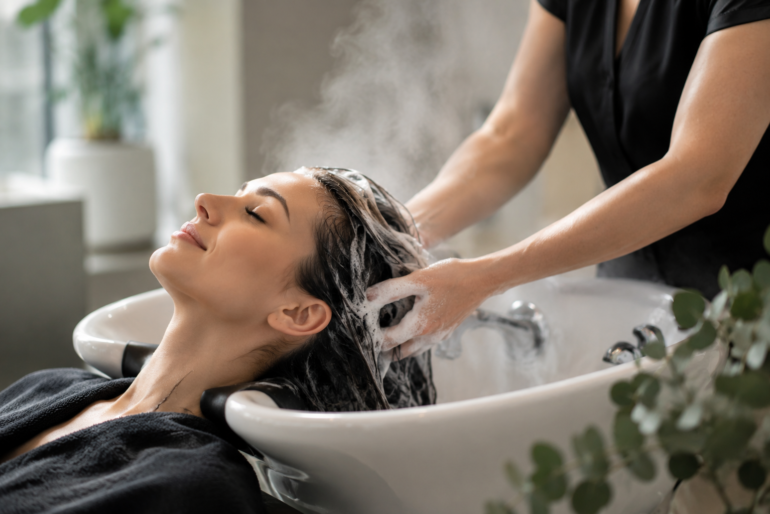
The treatment usually moves into cleansing and massage. Warm water, shampoo, scalp massage, and steam are common. Some sessions feel deeply relaxing, almost like a massage appointment. Others feel more like a hair and scalp treatment.
A simple appointment may take 30 to 45 minutes. A premium treatment may last 60 to 90 minutes.
How to Choose the Best Head Spa Near Me
Typing Head Spa Near Me into a search bar gives you options, but not every option is equal. Before booking, check a few practical details.
Look for clear service descriptions. A trustworthy salon should explain what is included, how long it takes, and who the treatment is best for.
Check reviews carefully. Do not only look at star ratings. Read comments about cleanliness, pressure level, staff behavior, product quality, and whether the treatment felt rushed.
Review photos, but do not rely on them alone. A beautiful room does not always mean better scalp care.
Ask about products if you have sensitivities. Fragrance, essential oils, menthol, exfoliating acids, or strong clarifying products can bother some scalps.
Make sure the provider is honest. They should explain limits clearly. A head spa can support scalp wellness, but it should not be sold as a guaranteed fix for hair loss or medical scalp conditions.
Quick Comparison of Popular Head Spa Treatments
| Treatment Type | Best For | Common Features | Good to Know |
|---|---|---|---|
| Japanese head spa | Relaxation and scalp refresh | Massage, warm water, aromatherapy, steam | Often more relaxing than corrective |
| Scalp detox | Product buildup and flat roots | Clarifying wash, exfoliation, steam | Avoid harsh scrubs on irritated skin |
| Hydrating scalp therapy | Dryness and tight feeling | Moisturizing mask, soothing serum, gentle massage | Works best with gentle home care |
| Oily scalp balancing | Greasy roots | Oil-control shampoo, scalp massage | Should not leave scalp stripped |
| Dandruff-support service | Mild flakes and buildup | Cleansing, massage, product guidance | Not a medical treatment |
Signs You May Benefit From a Head Spa
A head spa may be worth trying if your scalp feels uncomfortable but not severely irritated.
Common signs include:
- Hair feels heavy even after washing
- Scalp feels oily quickly
- Roots look flat
- Dry shampoo buildup is visible
- Scalp feels tight or dry
- You want a relaxing self-care treatment
- You wear hats, helmets, or hair products often
- You feel tension around the head, neck, or temples
Massage itself may also support relaxation. Mayo Clinic notes that massage therapy may help reduce stress, lessen pain and muscle tightness, and increase relaxation.
That relaxation factor is one reason head spas have become popular. The scalp has many nerve endings, and a slow massage can feel surprisingly calming after a long week.
When to See a Dermatologist Instead
A head spa is not the right first step for every scalp issue. Some symptoms need medical attention, especially if they keep coming back.
Consider seeing a dermatologist if you have:
- Painful scalp sores
- Bleeding or open skin
- Sudden hair loss
- Thick scaling
- Severe itching
- Red patches
- Burning after products
- Signs of infection
- Flakes that do not improve with basic care
The American Academy of Dermatology explains that scalp psoriasis can require different treatments, including medicated shampoos, scale softeners, or prescription options depending on the case.
If your scalp condition is medical, a salon treatment may feel nice temporarily, but it will not address the root cause.
How Much Does a Head Spa Cost?
Prices vary based on location, salon type, treatment length, and add-ons. In many local markets, a basic head spa may cost less than a premium Japanese head spa with scalp imaging, extended massage, and hair treatment.
A simple treatment might include cleansing and massage. A higher-end session may include a scalp camera, steam, aromatherapy, deep conditioning, and blowout.
The best value is not always the cheapest option. Look for a service that clearly explains what is included.
Before booking, check:
- Treatment length
- Products used
- Whether blow-dry is included
- Add-on charges
- Cancellation policy
- Staff experience
- Hygiene standards
A $45 scalp cleanse and a $150 luxury head spa are not the same service, so compare details before comparing prices.
Real-World Example: Choosing the Right Local Service
Imagine someone named Maya who uses dry shampoo three times a week, works out often, and has thick hair. Her scalp feels itchy by day two, and her roots look dull.
She searches for Head Spa Near Me and finds three places.
One salon offers a relaxing head massage but does not mention scalp cleansing. Another offers a scalp detox with steam and clarifying shampoo. A third promises “instant hair growth,” which sounds unrealistic.
For Maya, the scalp detox is probably the most sensible option because her issue seems connected to buildup and oil. The salon making hair-growth promises would be the weakest choice because it overclaims.
Now imagine someone named Rachel whose scalp burns, flakes heavily, and has red patches. A head spa may not be the right first move. She should speak with a dermatologist before trying exfoliation, steam, or strong products.
That is the difference between wellness care and medical care.
What to Ask Before Booking
A quick call or message can save you from a poor experience.
Ask questions like:
- What is included in the treatment?
- Is it suitable for sensitive scalps?
- Do you use fragrance-heavy products?
- Is exfoliation physical or chemical?
- Can I book without a blow-dry?
- Do you treat dandruff or only provide cleansing?
- What should I avoid before the appointment?
Good providers answer clearly. They do not pressure you or make wild promises.
How to Prepare for Your Appointment
You do not need to do much before a head spa. Still, a little preparation helps.
Avoid heavy oils right before the appointment unless the salon asks you to come that way. Do not scratch your scalp aggressively. If you recently colored your hair, ask whether the treatment is safe for color-treated hair.
Tell the provider if you have allergies, scalp sensitivity, extensions, recent chemical treatments, or a known skin condition.
Arrive with realistic expectations. Your scalp may feel cleaner and your hair may look fresher, but one appointment will not permanently change your scalp.
Aftercare: Keeping the Fresh Feeling Longer
After a head spa, keep your scalp routine simple for a day or two. Avoid piling on dry shampoo, heavy oils, or styling products right away.
Use a shampoo that fits your scalp type. If you have dandruff, choose products with active ingredients that match your needs. If your scalp is dry, focus on gentle cleansing and hydration.
Do not over-exfoliate. A freshly treated scalp does not need more scrubbing at home.
Healthy scalp care is usually built on small habits:
- Wash based on your scalp needs, not trends
- Rinse shampoo thoroughly
- Avoid very hot water
- Clean hairbrushes regularly
- Use dry shampoo in moderation
- Protect the scalp from sun exposure when needed
- Avoid tight hairstyles that pull on roots
Common Mistakes People Make With Head Spa Treatments
The first mistake is booking only because a place looks viral on social media. A beautiful video does not always show product quality, sanitation, or technique.
The second mistake is expecting medical results. A head spa can make your scalp feel better, but it cannot diagnose or treat serious conditions.
The third mistake is choosing the most aggressive detox because it sounds powerful. Stronger is not always better. A sensitive scalp needs care, not punishment.
The fourth mistake is ignoring aftercare. If you go back to heavy buildup and irregular washing, the fresh feeling may fade quickly.
Is a Head Spa Good for Hair Growth?
This is one of the biggest questions people ask. A head spa can help create a cleaner, more comfortable scalp environment, and the massage may improve relaxation. But it should not be marketed as a guaranteed hair-growth treatment.
Hair growth is affected by genetics, hormones, nutrition, stress, medical conditions, medications, and scalp health. If you notice sudden shedding, thinning patches, or widening parts, speak with a dermatologist.
A head spa may be a supportive wellness habit, not a replacement for professional hair-loss evaluation.
How Often Should You Get a Head Spa?
For general relaxation, once a month may feel right for many people. For buildup, every four to six weeks may be enough, depending on product use and scalp type.
People with sensitive scalps may need less frequent treatments. People who use lots of styling products may prefer regular visits.
The best rhythm depends on your scalp, budget, and lifestyle. The goal is not to overdo it. The goal is to keep the scalp comfortable and balanced.
Head Spa Near Me: What Makes a Local Place Worth Booking?
A strong local head spa has three things: clean technique, honest service, and a calm experience.
Clean technique means tools, towels, bowls, brushes, and beds are properly maintained. Honest service means no false claims. A calm experience means the appointment feels personal, not rushed.
When you search Head Spa Near Me, read the service menu closely. Look for details about scalp cleansing, massage time, product type, and treatment goals.
A great head spa does not need to sound fancy. It needs to make sense for your scalp.
Final Thoughts
Searching for Head Spa Near Me can lead you to a relaxing treatment that supports scalp freshness, hair softness, and overall wellness. The right local service can help remove buildup, calm daily tension, and make your scalp feel cared for in a way a regular shampoo often does not.
Still, smart booking matters. Choose a clean, transparent provider. Avoid places that promise miracle hair growth or medical cures. Pay attention to your scalp’s real needs, whether that means hydration, oil balance, gentle cleansing, or simply a peaceful hour away from stress.
A head spa works best when it is part of a realistic routine. With good home care, honest expectations, and the right local treatment, your scalp can feel lighter, cleaner, and more comfortable.
The history of spa culture goes back centuries, and modern scalp treatments are simply a more focused version of that wellness tradition, built around water, touch, and relaxation. Even the broader idea of therapeutic water has long been connected with spa practices and personal care. therapeutic water
FAQs
What is a head spa?
A head spa is a scalp-focused treatment that usually includes cleansing, massage, steam, and hair conditioning. It is often described as a facial for the scalp.
Is a head spa worth it?
A head spa can be worth it if your scalp feels oily, dry, heavy, tense, or full of product buildup. It is also helpful for people who want a relaxing scalp and hair wellness experience.
Can a head spa remove dandruff?
A head spa may help cleanse flakes and buildup, but it does not cure dandruff or medical scalp conditions. Persistent dandruff may need dandruff shampoo or dermatologist care.
How long does a head spa take?
Most appointments take 30 to 90 minutes, depending on the service. Premium treatments usually include longer massage time, steam, masks, and scalp analysis.
Can I get a head spa with colored hair?
Many salons offer color-safe options, but you should ask before booking. Some clarifying or exfoliating treatments may not be ideal right after coloring.
How often should I book a head spa?
Many people book every four to six weeks. The best timing depends on scalp condition, product use, lifestyle, and sensitivity.