For dog owners living in rural areas, ensuring the safety and comfort of big dogs presents unique challenges. Wide open spaces, livestock, wildlife, and varying terrain require effective training tools that balance control with the well-being of your canine companion. Training collars designed with ergonomic principles have emerged as essential equipment for managing large breeds in these environments, offering solutions that prioritize both effectiveness and animal welfare.
Ergonomic dog products, particularly training collars, represent a significant advancement in how we approach canine education and safety. Unlike traditional collars that may cause discomfort or strain, modern ergonomic designs distribute pressure evenly, reduce the risk of injury, and enhance communication between owner and dog. For rural settings where dogs often work alongside their owners or navigate challenging environments independently, these specialized collars provide the necessary guidance while maintaining the dog’s physical comfort and psychological well-being. Understanding the features, benefits, and proper selection of these tools can transform your training experience and strengthen the bond with your big dog.
Introduction to Training Collars for Big Dogs
Overview of Training Collars
Training collars have evolved significantly from simple restraint devices to sophisticated tools that facilitate effective communication between dogs and their handlers. Modern training collars encompass various designs, from traditional flat collars and martingales to more specialized options like head halters, front-clip harnesses, and remote training systems. Each type serves distinct purposes in the training process, addressing different behavioral challenges and learning styles.
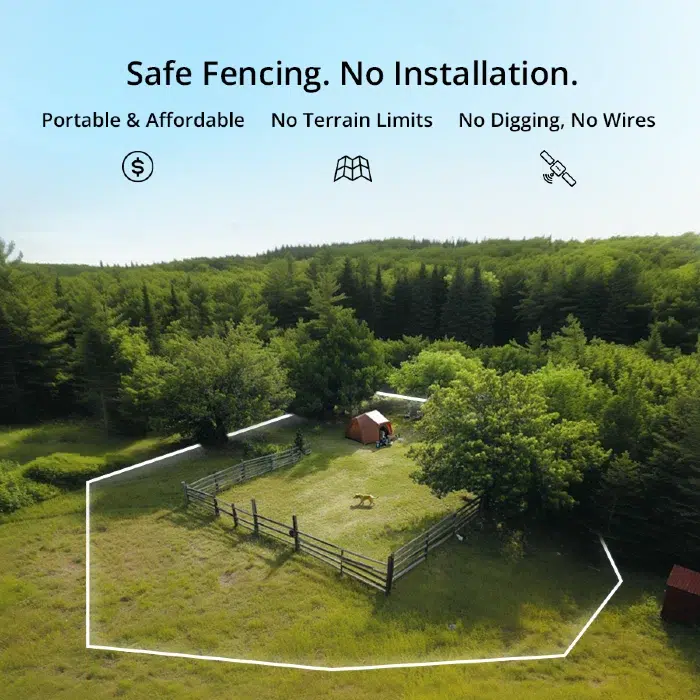
For big dogs in rural environments, training collars function as essential safety equipment rather than mere accessories. These dogs often encounter situations requiring immediate response — whether navigating livestock areas, responding to wildlife encounters, or maintaining boundaries across expansive properties. The right training collar provides a clear channel for guidance without causing physical strain or psychological stress. Ergonomic training collars specifically address the unique anatomy of large breeds, accounting for their powerful neck muscles, broader throat structures, and the greater force they can exert during pulls or sudden movements. By distributing contact points more effectively and incorporating materials that prevent chafing or pressure concentration, these collars enable consistent training sessions that reinforce positive behaviors while protecting the dog’s physical health and maintaining their willingness to learn.
The Importance of Training Collars for Big Dogs
Benefits of Training Collars
Training collars provide rural dog owners with practical advantages that extend far beyond basic obedience. The primary benefit lies in enhanced safety — for big dogs navigating rural environments, the ability to respond immediately to commands can prevent dangerous encounters with farm equipment, aggressive wildlife, or unfamiliar livestock. A well-fitted ergonomic training collar creates a communication bridge that allows handlers to guide their dogs through potentially hazardous situations without resorting to physical force or causing distress.
Beyond safety considerations, training collars for big dogs significantly improve the quality of life for both dogs and their owners. Large breeds thrive when they understand boundaries and expectations, and ergonomic collars facilitate this learning process by providing consistent, clear feedback during training sessions. Dogs trained with properly selected collars demonstrate reduced anxiety in challenging situations, as they’ve learned to trust their handler’s guidance. For rural properties where dogs may roam larger areas, this translates to greater freedom for the animal while maintaining responsible ownership. The ergonomic aspect becomes particularly valuable during extended training periods, as comfort-focused designs prevent the neck soreness, skin irritation, and behavioral resistance that traditional collars often cause. When dogs associate their collar with positive experiences rather than discomfort, they become more receptive to training, accelerating their progress and strengthening the handler-dog relationship that forms the foundation of effective rural dog management.
Key Features to Look for in Training Collars
Ergonomic Design
Ergonomic design in training collars centers on anatomical compatibility with large dog breeds. The most effective ergonomic collars feature contoured shapes that conform to the natural curve of a dog’s neck, preventing the collar from rotating or bunching during movement. Width plays a critical role — collars for big dogs should measure at least one to two inches wide to distribute pressure across a broader surface area, reducing the risk of tracheal damage or localized discomfort. Padding materials such as neoprene or memory foam provide cushioning at contact points, particularly important for dogs with shorter coats or sensitive skin.
The positioning of attachment points significantly impacts ergonomic performance. D-rings placed at the top center of the collar maintain proper alignment during leash work, while offset or side-positioned rings can cause the collar to pull unevenly, creating pressure concentrations. For rural applications where dogs may need to wear collars for extended periods while working or patrolling property, breathable materials with moisture-wicking properties prevent heat buildup and skin irritation. Reflective stitching or integrated reflective strips enhance visibility during early morning or evening activities without adding bulk. The collar’s interior should feature smooth, rounded edges rather than exposed stitching or hardware that could catch on fur or abrade skin during active movement across varied terrain.
Durable Materials
Material selection determines a training collar’s longevity and reliability in demanding rural conditions. High-grade nylon webbing with reinforced stitching withstands the pulling force that big dogs generate while resisting degradation from moisture, mud, and temperature fluctuations common in outdoor environments. Military-spec nylon offers superior tensile strength, typically rated for forces exceeding 500 pounds, providing a safety margin for even the most powerful breeds. Leather collars crafted from full-grain or top-grain leather develop greater suppleness over time while maintaining structural integrity, though they require regular conditioning to prevent cracking in dry climates or stiffening when exposed to water.
Hardware components demand equal attention to durability. Stainless steel or brass buckles and D-rings resist corrosion from rain, snow, and the natural oils in dog fur, maintaining their strength and smooth operation through years of use. Welded rather than soldered rings eliminate weak points that could fail under sudden stress. For collars incorporating quick-release mechanisms, look for designs with dual-locking systems that prevent accidental opening while still allowing rapid removal in emergencies. UV-resistant coatings on synthetic materials prevent the brittleness and color fading that compromise collar integrity after prolonged sun exposure. In rural settings where replacement options may not be immediately accessible, investing in collars constructed from premium materials ensures consistent performance and reduces the risk of equipment failure during critical training or safety situations.
Adjustable Settings
Adjustability transforms a training collar from a static tool into an adaptive system that evolves with your dog’s development and changing needs. Multi-point adjustment systems allow precise fitting that accommodates seasonal coat thickness variations, weight fluctuations, and the muscular development that large breeds experience as they mature. Collars should offer at least four inches of adjustment range, with markings or measurement indicators that help owners return to optimal fit settings after removal. Slide-adjusting buckles provide infinite positioning within their range, while traditional hole-and-tongue buckles offer defined increments that maintain consistent placement.
For training-specific collars incorporating correction mechanisms, adjustable intensity settings enable handlers to calibrate feedback levels to individual dog temperaments and learning stages. Begin with the lowest effective setting and increase only when necessary, always prioritizing the minimum stimulation required to achieve communication. Adjustable collar lengths prevent excess material from dangling where it could snag on branches, fencing, or equipment — a particular concern in rural environments with abundant obstacles. Some advanced designs feature removable sections or modular components that allow owners to convert between training configurations and everyday wear setups. Test all adjustment mechanisms regularly to ensure they maintain their positions under stress and don’t slip during active use. A properly adjustable collar should feel snug enough to prevent the dog from backing out of it while allowing two fingers to fit comfortably between the collar and neck, providing both security and comfort throughout training sessions and daily activities.
Choosing the Right Training Collar
Assessing Your Dog’s Needs
Selecting an appropriate training collar begins with honest evaluation of your dog’s individual characteristics and behavioral patterns. Large breed temperament varies significantly — a gentle Great Pyrenees requires different training approaches than a high-energy German Shepherd. Observe how your dog responds to guidance during daily interactions. Dogs that respond well to verbal cues and gentle corrections may thrive with standard martingale collars or front-clip harnesses, while dogs with strong prey drives or those easily distracted by rural stimuli might benefit from head halters that provide greater directional control without relying on neck pressure.
Physical considerations equally influence collar selection. Breeds with thick neck ruffs like Collies or Malamutes need wider collars that penetrate through fur to make effective contact, while short-coated breeds such as Dobermans require extra padding to protect skin. Dogs with respiratory sensitivities, including brachycephalic mixes or those with tracheal concerns, should never wear collars that apply throat pressure — harness systems distribute force across the chest instead. Age factors into the equation as well; young dogs still developing musculature need lightweight collars that won’t strain growing bodies, while senior dogs may require softer materials that accommodate arthritis or reduced neck flexibility.
Environmental factors specific to your rural property shape functional requirements. Properties with dense brush demand collars without protruding elements that snag on vegetation. Farms with water features need quick-drying materials that won’t become waterlogged or develop mildew. Consider your dog’s primary activities — livestock guardian dogs patrolling perimeters overnight need highly visible collars with reflective components, while hunting companions require low-profile designs that won’t interfere with movement through tight spaces. Document specific behavioral challenges you’re addressing, whether leash pulling, boundary testing, or recall issues, as different collar types excel at resolving particular training objectives.
Consulting with Professionals
Professional guidance significantly improves training collar selection outcomes, particularly for owners new to large breed management or facing complex behavioral situations. Veterinarians provide essential health assessments that identify physical limitations affecting collar choices. Schedule a consultation specifically addressing training equipment — your vet can evaluate neck structure, check for tracheal sensitivity, and recommend collar types that accommodate any existing health conditions. This preventive step avoids equipment that could exacerbate undiagnosed issues or create new problems during training.
Certified professional dog trainers bring practical expertise in matching equipment to training methodologies. Seek trainers holding credentials from recognized organizations who emphasize positive reinforcement techniques adapted for rural environments. During consultations, describe your specific training goals, property layout, and the challenges unique to your situation. Experienced trainers often suggest equipment combinations you might not have considered — pairing a standard collar for identification with a separate training harness for leash work, for example. Many offer equipment trial periods, allowing you to test different collar styles under professional supervision before purchasing.
Local agricultural extension offices and rural veterinary practices often maintain networks of livestock guardian dog specialists and working dog trainers who understand rural-specific challenges. These professionals are familiar with the demands placed on dogs protecting livestock, managing large properties, or working in agricultural environments, and they can recommend collar features that stand up to your region’s climate. Many also connect property owners with practical resources, including a reliable Dog Poop Cleaning Service, to help maintain large outdoor areas efficiently.
Real-Life Examples and Testimonials
Case Study 1
Sarah Thompson manages a 200-acre cattle ranch in Montana with her three-year-old Anatolian Shepherd, Duke. When Duke reached adolescence, his protective instincts intensified, leading to aggressive displays toward delivery vehicles and neighboring dogs passing the property line. Traditional choke chains caused coughing episodes and increased Duke’s frustration during training sessions. After consulting with a livestock guardian dog specialist, Sarah transitioned to a two-inch wide padded martingale collar with reflective stitching.
The ergonomic design distributed pressure evenly across Duke’s muscular neck, eliminating the respiratory distress that had complicated previous training attempts. Within six weeks of consistent boundary training using the new collar, Duke learned to alert Sarah to approaching vehicles without leaving his designated patrol zone. The collar’s durability proved essential during Montana’s harsh winters — the military-grade nylon and stainless steel hardware maintained integrity through temperatures dropping below zero and exposure to snow and ice. Sarah reports that Duke now wears his collar comfortably during twelve-hour overnight patrol shifts, showing no signs of chafing or behavioral resistance. The reflective strips have prevented several potential accidents by making Duke visible to ranch hands operating equipment during early morning hours, demonstrating how proper equipment selection directly enhances working dog safety in rural environments.
Case Study 2
Michael Chen rescued a four-year-old Great Pyrenees mix named Luna for his family’s Vermont farm, where she would help protect free-range chickens from predators. Luna arrived with severe leash reactivity and a history of neck injuries from improper collar use at her previous home. Veterinary examination revealed tracheal sensitivity that ruled out any collar applying direct throat pressure. Michael’s trainer recommended a front-clip harness system with ergonomic chest padding as the primary training tool, paired with a lightweight flat collar for ID tags only.
The harness redistributed Luna’s considerable pulling force across her chest and shoulders, immediately reducing strain on her vulnerable throat area. During the first month, Michael worked on basic leash manners in controlled environments, gradually introducing Luna to the chickens under harness guidance. The ergonomic chest plate prevented the underarm chafing that standard harnesses often cause in long-coated breeds, allowing extended training sessions without discomfort. After three months, Luna reliably patrolled the chicken enclosure, responding to recall commands even when foxes approached the property perimeter. Michael credits the equipment change with saving Luna’s training progress — her previous neck injuries had created fear responses to collar pressure that initially seemed insurmountable. The case illustrates how ergonomic alternatives to traditional collars can rehabilitate dogs with physical limitations while still achieving rural working dog objectives.
Testimonial 1
“Switching to an ergonomic training collar transformed my relationship with my German Shepherd, Atlas. We live on a remote Idaho property where Atlas helps me manage the boundaries and alerts me to wildlife. His previous collar left raw spots on his neck after long days outside, and he started hiding when he saw me reach for it. My rural vet recommended a padded collar with contoured design, and the difference was immediate. Atlas no longer associates his collar with discomfort, and his enthusiasm for training returned within days. The adjustable fit accommodates his thick winter coat without requiring a separate collar for different seasons. After eighteen months of daily use through Idaho’s extreme weather, the collar shows minimal wear. For rural dog owners who need reliable equipment that won’t fail when you’re miles from the nearest store, investing in ergonomic design pays for itself in durability and your dog’s wellbeing.” — Jennifer Rodriguez, Idaho
Testimonial 2
“I was skeptical about spending more on an ergonomic collar for my Rottweiler, Bear, when basic collars cost a fraction of the price. But after Bear developed a persistent cough during training sessions, I realized cheap equipment was creating expensive problems. The ergonomic collar my trainer suggested featured wider webbing and strategic padding that eliminated pressure points. Bear’s cough disappeared within a week, and his training progress accelerated because he wasn’t distracted by discomfort. Living on a working farm in rural Pennsylvania, Bear encounters countless situations daily that require immediate response — livestock, machinery, visitors. The confidence I have in his collar’s construction lets me focus on training rather than worrying about equipment failure. I also added a SATELLAI GPS tracker to his collar setup, which has proven invaluable for monitoring his location when he’s patrolling the far sections of our property. Rural dog owners can’t afford equipment that compromises safety or comfort — ergonomic collars deliver both.” — Thomas Burke, Pennsylvania
Investing in Your Dog’s Safety and Comfort
Ergonomic training collars represent a fundamental investment in your big dog’s safety, comfort, and training success within rural environments. The unique challenges of managing powerful breeds across expansive properties, near livestock, and in unpredictable outdoor conditions demand equipment that balances effective control with genuine concern for canine welfare. By prioritizing features like anatomically contoured designs, pressure-distributing materials, and durable construction suited to demanding outdoor use, you create training conditions where your dog can learn without physical distress or psychological resistance.
The selection process requires thoughtful assessment of your dog’s individual needs, environmental factors specific to your property, and consultation with veterinary and training professionals who understand rural working dog requirements. Real-world experiences from rural dog owners consistently demonstrate that properly selected ergonomic collars accelerate training progress, prevent injury, and strengthen the handler-dog bond essential for reliable performance in challenging situations. Whether managing livestock guardians, working farm dogs, or family companions navigating rural life, ergonomic training collars provide the foundation for safe, effective, and enjoyable training experiences.