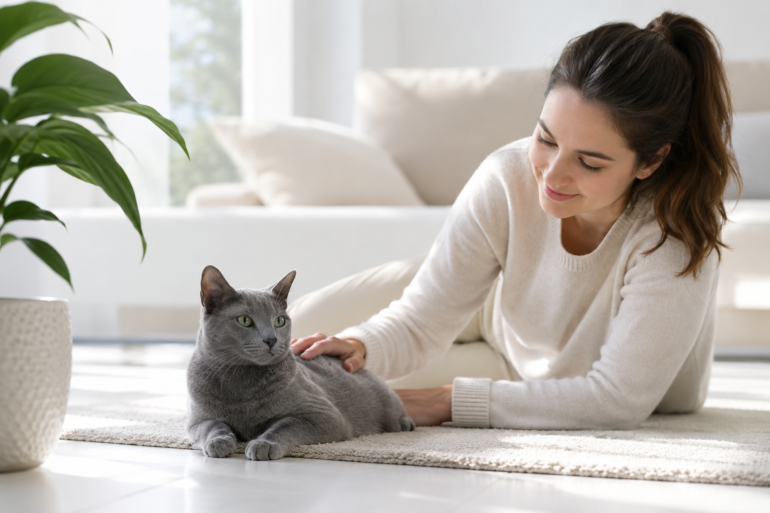
If you love cats but start sneezing the moment one walks into the room, you are not alone. Many people search for Hypoallergenic Cats because they want the comfort of a feline companion without constant watery eyes, itchy skin, or a blocked nose. The tricky part is that “hypoallergenic” does not mean allergy-free. It usually means a cat may produce fewer allergens, shed less, or spread less allergy-triggering material around the home.
That difference matters.
Some cat breeds are easier for allergy-sensitive people to live with, but the right choice depends on your body, your home, your cleaning habits, and the individual cat. A breed can help, but it is not the whole story.
This article walks through the best low-allergen cat breeds, what actually causes cat allergies, and how to make life with a cat more comfortable if you are sensitive to pet allergens.
What Makes Hypoallergenic Cats Different?
The word “hypoallergenic” sounds simple, but with cats, it needs a little honesty.
Most cat allergies are linked to proteins produced by cats, especially Fel d 1. This protein is found in saliva, skin glands, and dander. When a cat grooms itself, saliva dries on the fur and tiny particles can spread through the air, furniture, bedding, and clothing. Research reviews describe Fel d 1 as the major cat allergen connected to symptoms in sensitive people.
So, the problem is not just fur.
A hairless cat can still produce allergens. A long-haired cat may not always be worse than a short-haired cat. Some cats simply produce or spread fewer allergens than others.
That is why Hypoallergenic Cats are better understood as lower-allergen cats, not completely safe cats for every allergy sufferer.
Common allergy symptoms may include sneezing, runny nose, itchy or watery eyes, nasal congestion, cough, and sleep trouble. In people with asthma, pet allergies can also worsen breathing symptoms.
Are Any Cats Truly Allergy-Free?
No cat breed is truly allergy-free.
Every cat produces some allergens. Even breeds often marketed as hypoallergenic can still cause symptoms in some people. That is why meeting the cat before adoption is so important.
A person may react strongly to one Siberian but hardly react to another. Someone else may tolerate a Russian Blue but struggle around a Bengal. Allergies are personal, and cats are individuals.
The smartest approach is to think in terms of risk reduction.
You are not looking for a magical cat with zero allergens. You are looking for a cat that may produce fewer allergens, shed less, groom differently, or fit better into an allergy-friendly home routine.
Best Hypoallergenic Cats for Allergy-Sensitive Pet Lovers
Below are some of the most popular breeds often recommended for people who want a lower-allergen cat. None of them can promise a symptom-free experience, but they may be easier to manage than higher-shedding breeds.
Siberian
The Siberian is often one of the first breeds mentioned when people talk about Hypoallergenic Cats.
That surprises many people because Siberians have thick, luxurious coats. They look like the kind of cat that would leave fur everywhere. Yet some people with mild cat allergies report doing better with Siberians than expected.
The reason is not the coat length. It may be related to lower Fel d 1 production in some Siberian cats. Not every Siberian is low-allergen, though, so careful testing matters.
Siberians are affectionate, playful, and loyal. They usually enjoy being around people and can do well in family homes.
Best for:
- Families who want an affectionate cat
- People who prefer a larger, fluffy breed
- Owners willing to brush regularly
- Allergy-sensitive people who can spend time with the cat before adoption
A Siberian may be a wonderful option, but never choose one based on breed reputation alone. Visit the breeder or rescue, spend time around the cat, and watch how your body responds.
Balinese
The Balinese looks like a long-haired Siamese, but it is often included among low-allergen cat breeds.
This breed has a silky coat and a social personality. Balinese cats are usually talkative, intelligent, and deeply attached to their people. They like attention and often want to be part of daily life.
Some allergy-sensitive owners choose the Balinese because it may produce less Fel d 1 than many other breeds. Again, that does not mean zero reaction. It simply means the breed may be more manageable for some people.
Best for:
- People who want a vocal, social cat
- Owners who spend plenty of time at home
- Families that enjoy interactive pets
- Allergy-sensitive cat lovers who want personality and affection
A Balinese can feel almost dog-like in its loyalty. But if you want a quiet, independent cat, this may not be your best match.
Russian Blue
The Russian Blue is another favorite among people searching for Hypoallergenic Cats.
This breed has a short, dense, plush coat that sheds less than some other cats. Russian Blues are known for their calm nature, gentle behavior, and strong bonds with trusted people.
They can be shy at first, especially around strangers, but once comfortable, they are affectionate without being overly demanding.
Best for:
- Apartment living
- Calm households
- People who want a quieter cat
- Owners looking for a lower-shedding breed
Russian Blues are not completely allergen-free, but their coat and grooming needs can make them easier to manage in a clean home environment.
Bengal
Bengals are energetic, athletic, and strikingly beautiful. Their short, sleek coat may require less grooming than fluffier breeds, and they often shed less.
Some allergy-sensitive people find Bengals easier to live with because less loose fur may mean less allergen spread around the house. However, Bengals are not low-maintenance cats.
They need stimulation, playtime, climbing space, and mental activity. A bored Bengal can become noisy or destructive.
Best for:
- Active owners
- Homes with climbing trees and toys
- People who enjoy high-energy pets
- Cat lovers who want a bold, playful companion
If you want a calm lap cat, a Bengal may be too intense. But if you want a lively, interactive pet, this breed can be exciting.
Devon Rex
The Devon Rex has a soft, curly coat, large ears, and a mischievous face. It is one of the most distinctive-looking cats in the world.
Because the coat is short and fine, Devon Rex cats may shed less than many traditional breeds. Less shedding can help reduce the spread of allergen-carrying hair and dander in the home.
Personality-wise, Devon Rex cats are playful, people-focused, and often a little clownish. They like warmth, attention, and cozy places.
Best for:
- People who want a playful indoor cat
- Smaller homes or apartments
- Owners who enjoy affectionate cats
- Allergy-sensitive people who prefer lower-shedding breeds
Their coat may need gentle care. Over-bathing can irritate the skin, so grooming should be balanced.
Cornish Rex
The Cornish Rex is another curly-coated breed often discussed with Hypoallergenic Cats.
Unlike many cats that have multiple coat layers, the Cornish Rex has a very fine coat. This can mean less shedding, although the cat still produces allergens through skin and saliva.
Cornish Rex cats are active, social, and playful. They often keep kitten-like energy into adulthood.
Best for:
- Owners who want a lively companion
- Families with older children
- People who enjoy interactive play
- Homes where the cat will not be left alone too long
This breed enjoys attention. If you are away all day and want a very independent pet, it may not be ideal.
Sphynx
The Sphynx is probably the most famous hairless cat breed. Many people assume hairless means hypoallergenic, but that is only partly true.
A Sphynx can still produce Fel d 1 and other allergens. However, because there is little to no fur, there may be less hair carrying dried saliva around the home.
The tradeoff is skin care.
Sphynx cats need regular cleaning because oils build up on their skin. They also need warmth, sun protection, and careful indoor living.
Best for:
- Dedicated owners
- People who do not mind regular skin care
- Indoor-only homes
- Cat lovers who want a very affectionate breed
Sphynx cats are often loving and people-oriented. They like to cuddle, partly because they seek body warmth.
Oriental Shorthair
The Oriental Shorthair is sleek, intelligent, and closely related to the Siamese. It has a short coat that is easy to maintain and may shed less than many other breeds.
This cat is social, vocal, and curious. It wants interaction and does not usually enjoy being ignored for long periods.
Best for:
- People who want a talkative cat
- Owners who enjoy smart, social pets
- Homes where someone is around often
- Allergy-sensitive people looking for short-coated breeds
A weekly wipe-down and regular brushing can help control loose hair and dander.
Javanese
The Javanese is another breed sometimes recommended for people with mild cat allergies. It has a medium-length coat but lacks a thick undercoat, which may reduce shedding.
These cats are intelligent, vocal, and affectionate. They often enjoy puzzle toys, games, and close contact with their owners.
Best for:
- People who like smart cats
- Owners who can provide attention
- Families wanting a social pet
- Allergy-sensitive homes with good cleaning routines
Because Javanese cats enjoy companionship, they may not be the best fit for people who want a distant or very independent cat.
Breed Comparison Table
| Breed | Coat Type | Personality | Why Allergy-Sensitive Owners Consider It |
|---|---|---|---|
| Siberian | Thick, long coat | Affectionate, playful | Some may produce lower Fel d 1 |
| Balinese | Silky medium-long coat | Social, vocal | Often considered lower-allergen |
| Russian Blue | Short, dense coat | Calm, gentle | Lower shedding and easy grooming |
| Bengal | Short, sleek coat | Active, bold | Less loose fur in some homes |
| Devon Rex | Short curly coat | Playful, affectionate | Sheds less than many breeds |
| Cornish Rex | Very fine curly coat | Energetic, social | Minimal coat may reduce spread |
| Sphynx | Hairless or nearly hairless | Loving, cuddly | No fur, but still produces allergens |
| Oriental Shorthair | Short coat | Vocal, intelligent | Easy grooming and lower shedding |
| Javanese | Medium coat, little undercoat | Smart, affectionate | May shed less due to coat structure |
How to Choose the Right Cat When You Have Allergies
Choosing Hypoallergenic Cats should never be based on a list alone. A breed can point you in the right direction, but your reaction to the individual cat matters more.
Before bringing a cat home, try these steps.
Spend Time With the Cat First
Do not rely only on photos, breed claims, or online descriptions.
Spend at least 30 to 60 minutes around the cat. Pet it, sit near it, and notice your symptoms. If possible, visit more than once.
Some allergy reactions show up quickly. Others build over several hours.
Talk to an Allergist
If your symptoms are serious, speak with a healthcare professional before adopting. Mayo Clinic notes that allergy testing may involve skin testing, where a small amount of allergen extract is used to check for a reaction.
This can help you understand whether your symptoms are truly linked to cats or to something else, such as dust mites, pollen, mold, or household irritants.
Ask About the Cat’s Living Environment
Sometimes a person thinks they are reacting to a cat, but the environment is also part of the problem.
A cat from a dusty home, a home with carpets, or a multi-pet setting may carry more allergens on its coat. A clean foster home or breeder environment may give you a clearer idea of your true reaction.
Consider Age and Sex
Some people report differences between kittens, adult cats, males, and females. Neutered males may produce different allergen levels than unneutered males, but individual variation is still important.
Do not make the decision on this alone. Use it as one small factor.
How to Reduce Cat Allergens at Home
Even if you choose one of the best Hypoallergenic Cats, your home routine will make a huge difference.
A lower-allergen breed in a dusty home can still cause problems. A moderate-allergen cat in a clean, well-managed home may be easier to live with.
Keep the Bedroom Cat-Free
This is one of the most practical steps.
You spend hours sleeping in your bedroom. If allergens build up on pillows, blankets, and mattresses, your symptoms may feel worse at night and in the morning.
Keep the cat out of the bedroom if allergies are a real concern.
Use a HEPA Air Purifier
A good air purifier can help reduce airborne particles. Place one in the bedroom or the room where you spend the most time.
Also replace filters on schedule. A dirty filter will not do much good.
Vacuum With a HEPA Filter
Regular vacuuming helps, but a poor-quality vacuum can push tiny particles back into the air. A HEPA-filter vacuum is a better option for allergy-sensitive homes.
Focus on rugs, furniture, curtains, corners, and areas where the cat sleeps.
Wash Bedding and Soft Fabrics
Cat allergens cling to fabric. Wash blankets, pillow covers, throws, and washable pet beds regularly.
If possible, use furniture covers that can be removed and cleaned.
Groom the Cat Properly
Brushing can reduce loose hair and dander, especially with breeds that shed. If you are the allergic person, ask someone else to do grooming when possible.
For short-haired cats, gentle wiping with a damp cloth may help reduce surface allergens.
Do Not Over-Bathe
Bathing a cat too often can dry the skin and increase irritation. Some breeds, like Sphynx cats, need regular skin cleaning, but most cats do not need frequent baths.
Ask a veterinarian what is appropriate for your cat’s breed and skin condition.
Food, Science, and Allergen Control
Newer research has looked at ways to reduce active Fel d 1 exposure without changing the cat itself.
Purina Institute describes research involving an egg product ingredient containing IgY antibodies that can bind to Fel d 1 in cat saliva, helping neutralize the allergen before it spreads through grooming.
A published study also examined a feline diet containing anti-Fel d 1 IgY antibodies and reported evidence across in vitro, ex vivo, and in vivo testing.
This does not mean food is a cure for cat allergies. It means allergen management is becoming more practical and science-based. For some households, diet may be one useful layer alongside cleaning, air filtration, grooming, and medical advice.
Real-Life Scenario: Choosing the Right Cat for a Mild Allergy
Imagine a couple living in a small apartment. One person loves cats but gets sneezing and itchy eyes after visiting homes with several pets.
They start by meeting a Siberian kitten. After 20 minutes, symptoms appear. Then they visit a Russian Blue foster cat in a clean home. They spend an hour there and only notice mild irritation.
Instead of rushing, they visit again the next week. The reaction is still mild. They ask their doctor about allergy medication options, buy a HEPA air purifier, and plan to keep the bedroom cat-free.
In that situation, the Russian Blue may be a better match than the Siberian, even though both are commonly listed among low-allergen breeds.
That is the key lesson. The best cat is not always the breed with the strongest reputation. It is the cat your body tolerates best.
Common Mistakes Allergy-Sensitive Cat Lovers Make
Many people make the same mistakes when searching for Hypoallergenic Cats.
The first mistake is believing “hypoallergenic” means no allergies. It does not.
The second mistake is choosing a cat without spending time around it first. A breed profile cannot predict your exact reaction.
The third mistake is ignoring the home environment. Carpets, fabric sofas, dusty curtains, and poor ventilation can make symptoms worse.
The fourth mistake is expecting grooming alone to solve the problem. Grooming helps, but it works best with cleaning, filtration, and smart room boundaries.
The fifth mistake is waiting until symptoms are severe before getting medical advice. If you have asthma or strong allergic reactions, professional guidance matters.
Best Home Setup for Allergy-Sensitive Cat Owners
A good home setup can make living with a cat much easier.
Try this simple structure:
- Keep one room, ideally the bedroom, completely cat-free
- Use a HEPA air purifier in main living spaces
- Choose washable pet bedding
- Vacuum at least twice a week
- Replace heavy curtains with washable options
- Use hard flooring where possible
- Wash your hands after petting the cat
- Avoid touching your eyes after contact
- Brush the cat regularly, preferably by a non-allergic person
Small habits add up. You do not need a perfect home. You need a consistent routine.
Are Hypoallergenic Cats Good for Families?
Yes, Hypoallergenic Cats can be good for families, but expectations should be realistic.
If a child has mild allergies, a lower-allergen breed and a clean home routine may help. If a child has asthma or severe reactions, the decision needs more caution.
Families should also think about the cat’s personality.
A quiet child may do well with a Russian Blue. An active family may enjoy a Bengal or Devon Rex. A home that wants a cuddly companion may love a Sphynx or Siberian.
The best match is a balance between allergy tolerance, lifestyle, and temperament.
Frequently Asked Questions
What cat is best for people with allergies?
There is no single best cat for every allergic person. Siberian, Balinese, Russian Blue, Devon Rex, Cornish Rex, Sphynx, Bengal, Oriental Shorthair, and Javanese are often considered better options. The best choice is the individual cat that causes the fewest symptoms for you.
Do Hypoallergenic Cats still shed?
Some do. Hypoallergenic does not always mean non-shedding. Siberians have thick coats, while Sphynx cats have little to no fur. Devon Rex and Cornish Rex cats usually shed less, but all cats can still produce allergens.
Can I build tolerance to my cat?
Some people feel better over time, while others do not. Allergy symptoms can change depending on exposure, cleaning habits, medication, season, and overall health. If symptoms are frequent or serious, speak with an allergist.
Is cat hair the main cause of allergies?
Not exactly. Cat hair can carry allergens, but the main triggers are proteins found in saliva, skin glands, and dander. That is why even hairless cats can still cause symptoms.
Should I adopt or buy a hypoallergenic breed?
Both can work. Adoption is a great option if you can spend time with the cat first. Buying from a responsible breeder may give you more breed predictability, but it still does not guarantee allergy comfort.
Conclusion
Hypoallergenic Cats can make cat ownership more realistic for people who love cats but struggle with sneezing, itchy eyes, and pet dander sensitivity. Breeds like Siberian, Balinese, Russian Blue, Bengal, Devon Rex, Cornish Rex, Sphynx, Oriental Shorthair, and Javanese may be easier for some allergy-sensitive owners to manage.
Still, no breed is completely allergy-free. The real solution is a smart mix of breed selection, personal testing, home cleaning, air filtration, grooming, and medical guidance when needed.
Before choosing a cat, spend time with the individual animal. Pay attention to your body. Ask practical questions. Prepare your home before adoption. A thoughtful decision can make the difference between constant discomfort and a warm, happy life with the right feline companion.
For readers who want deeper background on allergy proteins, the topic of cat allergens cat allergens can help explain why reactions vary so much from person to person.