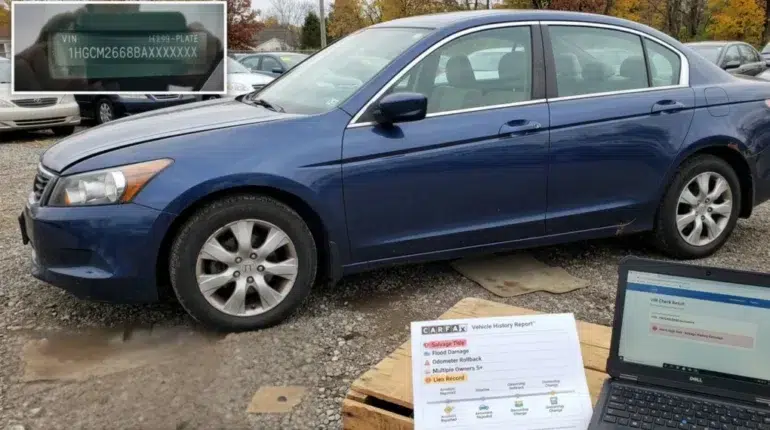
You find a used car, the price looks good, the seller seems okay, so you buy it. Eight weeks later it just dies on you. The mechanic says it was flooded. Or the frame was already bent from a crash before you even touched it. Or the mileage was rolled back.
This happens more than people think. And most of the time, a simple vehicle history check would have caught it.
Here is what buyers get wrong when they skip that step.
They Take the Seller’s Word for Everything
Most sellers are not liars. But they do not always know the full story either. A private seller might have bought a problem car without knowing it. Now they are passing it to you.
Even honest sellers leave things out. Maybe they forgot, maybe they just did not think it was a big deal. Either way, you never heard about it. A vehicle history report pulls from insurance records, repair shops, DMV, and police reports. The seller cannot touch any of that data. That is the whole point.
They Miss Accident and Frame Damage
Paint covers damage fast, body shops do it in days. But the frame is harder to fix. A bad crash bends it, sometimes they just weld it back together. Car never drives the same after that, and it is weaker in another crash. History report shows what hit insurance, whether airbags went off, how bad it was. Show it to a mechanic before you buy, they will know what to check.
They Fall for Rolled-Back Odometers
65,000 miles on the clock sounds good. Could easily be 160,000 in reality. Rolling back odometers is something sellers do to make the car look younger than it is.
More miles means more wear. The engine, brakes, and transmission have all worked harder. The car is closer to needing big repairs. Mileage gets logged every time the car is serviced or changes hands. The car had 120,000 on it two years ago, now shows 70,000, that does not add up and the report shows exactly that. Buyers who skip the check never see it. Odometer fraud is illegal. It still happens constantly.
They Do Not Check the Title
A car title is not just paperwork. It tells you a lot about what happened to the vehicle.
A salvage title means an insurer wrote the car off as a total loss. A flood, a fire, or a bad crash can cause that. Good luck getting cheap insurance on one of these. Value drops a lot too. Rebuilt title is when somebody bought a totaled car, repaired it, and registered it again. Some are fine. Others have problems that do not show up right away.
A lien means a bank still has a legal claim on the car. If the seller has not paid off the loan, you could end up losing the car even after buying it.
The history report shows every title the car has ever had, in every state. Without it, you are guessing.
They Do Not Check If the Car Was Stolen
This one surprises people. Stolen cars get cleaned up and sold. They price it low, push you to decide fast, and want cash the same day. If police track that car down after you bought it, they take it. No questions, no refund. You lose the car and the money. Even if you bought it in good faith, you get nothing.
Vehicle history reports run the VIN against national stolen vehicle databases. The check takes seconds. It could save you from a very bad situation.
They Ignore Flood and Fire History
A flooded car can look perfectly fine after a good clean. Sellers dry them out, replace the carpets, and list them for sale.
The damage that stays hidden is in the wiring, under the floor panels, and inside the doors. Water causes rust from the inside. It leads to mold. Electrical problems start showing up weeks later.
Fire damage works the same way. Repairs can make burned parts look okay. The heat damage underneath stays.
Insurance claims from floods and fires show up in history reports. Without a report, you have no idea what the car went through.
They Think a Low Price Means a Good Deal
A car priced far below similar ones nearby is not always a steal. Sometimes it means the seller knows something you do not.
Flood damage. A salvage title. Rolled-back miles. A major crash. These are all reasons a seller might drop the price, hoping a buyer jumps at the number without asking questions.
Run the report before you get excited about the price. If the report is clean and the price is still low, maybe you found something good. If the report has red flags, now you know why it is cheap.
They Skip the Report on Private Sales
Buyers often think dealers are the risky ones. Private sellers feel safer. You meet them at their home. They seem like regular people.
But private sellers have fewer legal rules to follow. They are not required to disclose everything. Many problem vehicles end up in private sales exactly because dealers will not take them.
It does not matter who is selling. Run the report every single time.
They Check After Buying Instead of Before
Some buyers do run a report, just at the wrong time. They buy the car, then look it up out of curiosity.
By then, there is nothing to do with that information.
The process starts before any of that. Run the VIN through a VIN decoder first to confirm the car is what the listing says it is. Then pull the full report. Then negotiate. The report shows problems, you ask for less or you walk. Simple as that. Run it before you buy, not after.
They Use a Free Report and Think It Is Enough
Free vehicle checks exist. They are better than nothing, but they pull from far fewer sources. They miss things.
Paid reports from services like Carfax or AutoCheck are more complete. More history, more detail, costs 20 to 40 dollars. Won’t catch everything, private deals and cash accidents leave no record. But the expensive stuff usually shows. Take it one step further and get a mechanic to look the car over too. Both together and you are covered better than going in blind.
What Skipping the Report Actually Costs You
The report costs 20 to 40 dollars, sometimes less. Many car listing sites include one free.
A flood-damaged car can cost thousands in electrical repairs. A car with frame damage may be unsafe and nearly worthless to resell. A stolen car gets taken back with zero refund.
Skipping the report does not save money. It just moves the risk from the seller to you. Whether you’re buying from a dealership or a private seller, reviewing a vehicle history report alongside Vehicle Registration Nevada records can help protect your investment and provide greater peace of mind.
Ten minutes and 40 dollars before you buy is a small price for that kind of peace of mind. Run the report. Every time.