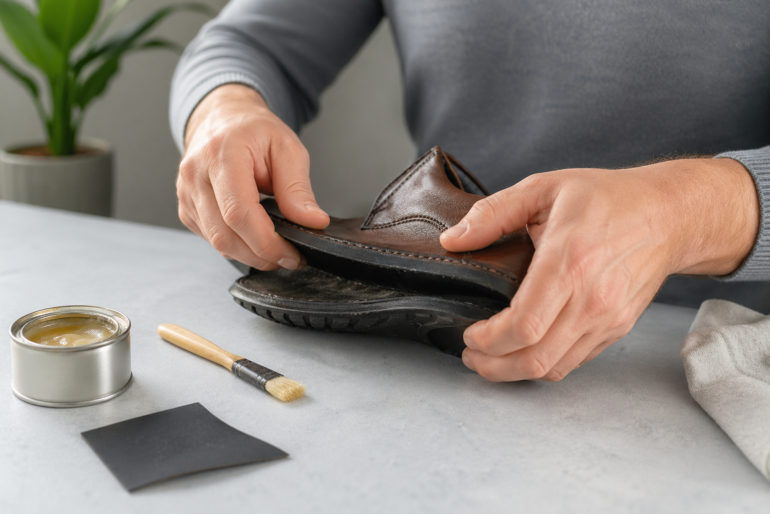
If you enjoy fixing things around the house, restoring furniture, repairing shoes, or working on craft projects, Cola de Contato is one of those products that can quickly become a favorite in your toolkit. It is strong, fast-grabbing, and useful on materials that ordinary white glue may not handle well.
The name may sound technical if you are seeing it for the first time, but the idea is simple. Cola de Contato is a contact adhesive. You apply it to both surfaces, wait until it becomes tacky, then press the pieces together. Once both sides touch, the bond forms quickly and firmly.
That instant grip is what makes it useful for DIY and repair work. It is commonly used on wood, leather, rubber, laminate, cork, foam, fabric, and some plastics. But like any strong adhesive, it works best when you understand where to use it, how to apply it, and when to choose another type of glue.
What Is Cola de Contato?
Cola de Contato is a strong adhesive designed to bond two surfaces by contact. Unlike school glue or wood glue, it does not usually need long clamping time after the pieces are joined. The adhesive is applied to both surfaces first, allowed to dry slightly, and then pressed together.
This type of glue is often used in furniture work, footwear repair, upholstery, laminate installation, craft projects, and household fixes. Contact adhesives are known for quick bonding and strong shear resistance, which means they can hold well when the joined pieces are pulled or pushed sideways. Contact adhesives are commonly used for laminates and footwear because they can form fast, high-strength bonds when applied correctly.
Many formulas are solvent-based, while some modern versions are water-based. Solvent-based products often bond aggressively and dry fast, but they can release vapors and should be used with care. The EPA notes that volatile organic compounds, often called VOCs, can be emitted from certain household products and may affect indoor air quality.
That is why safety matters. Cola de Contato is practical, but it should never be treated casually.
Why DIY Users Like Cola de Contato
The biggest reason people use Cola de Contato is its strong initial hold. When you are repairing a loose shoe sole, attaching laminate to a tabletop, or bonding leather to wood, you do not always want to wait overnight with clamps everywhere.
This adhesive gives you a fast bond once both prepared surfaces touch. That makes it helpful for projects where holding pieces in position is difficult.
It is also flexible after drying in many applications. That flexibility can be useful for leather, rubber, upholstery, and shoe repairs because those materials bend during use. A brittle glue may crack or peel, but a good contact adhesive can move with the material.
Here are some reasons DIY users often reach for it:
- It bonds many difficult surfaces.
- It works well on large flat areas.
- It grabs quickly after contact.
- It can reduce the need for clamps.
- It is useful for flexible materials.
- It can create durable repairs when applied properly.
Still, the strength depends heavily on surface preparation, drying time, pressure, and correct product choice.
Best Uses for Cola de Contato in DIY Projects
Cola de Contato is not the answer for every repair, but it shines in certain situations. It is especially useful when both surfaces can be coated evenly and pressed together with firm contact.
Furniture Repair and Laminate Work
One of the most common uses for Cola de Contato is furniture repair. If laminate is peeling from a tabletop, cabinet, shelf, or workbench, contact adhesive can help reattach it cleanly.
This is because laminate usually needs even bonding across a flat surface. Regular glue may stay wet too long or create uneven spots. Contact adhesive allows you to coat both surfaces, let the solvent flash off, then press them together.
For example, imagine an old desk where the laminate edge has started lifting. You can clean away dust and old loose glue, apply a thin layer of Cola de Contato to both the laminate and the desk surface, wait until tacky, and press them together with a roller or block.
The key is alignment. Once the surfaces touch, repositioning can be difficult. For larger surfaces, some people use thin dowels or strips as temporary spacers, place the laminate correctly, then remove the spacers gradually while pressing the surface down.
Shoe and Leather Repairs
Cola de Contato is also useful for shoe soles, leather bags, belts, and small leather goods. Leather and rubber often need flexible adhesion, especially when the item bends during use.
If a shoe sole starts separating near the toe, contact adhesive can be a practical repair. Clean both surfaces, roughen them lightly with sandpaper, apply adhesive to both sides, wait until tacky, then press firmly.
For better results, apply pressure for several minutes and let the repair sit before wearing the shoes. Even though the bond grabs quickly, full strength may take longer depending on the product and conditions.
For leather projects, avoid overapplying the glue. Too much adhesive can seep out at the edges and stain the surface. A thin, even coat usually works better than a thick messy one.
Rubber, Foam, and Upholstery
Another strong use for Cola de Contato is bonding foam, rubber sheets, and upholstery materials. Upholstery projects often involve curved surfaces, flexible fabrics, and foam padding, so a fast-grabbing adhesive can make the work much easier.
It can help attach foam to wood panels, fabric to padding, rubber mats to backing boards, or cork to craft surfaces. However, not every formula is safe for every foam. Some solvent-based adhesives can damage delicate foam or plastic materials.
A small test patch is always smart. Apply a little adhesive to a hidden area and wait to see if it softens, melts, curls, or discolors the material.
Craft and Home Decor Projects
Cola de Contato can be handy for home decor projects such as wall panels, cork boards, handmade organizers, decorative boxes, and mixed-material crafts.
It works especially well when you are joining materials like fabric to cardboard, leather to wood, cork to plywood, or vinyl to a flat surface. The fast bond helps prevent slipping.
For crafts, precision matters. Use a small brush, spreader, or applicator instead of pouring glue directly from the container. This gives you better control and keeps the final project clean.
Automotive and Workshop Fixes
Some people use contact adhesive for automotive trim, mats, insulation panels, and workshop repairs. It may help bond rubber strips, fabric lining, or protective coverings.
However, heat resistance matters in vehicles and workshops. A car interior can get very hot, especially in direct sunlight. Not every adhesive can handle those temperatures. Always check the product label for temperature range and recommended uses before using Cola de Contato in high-heat areas.
Materials That Usually Work Well With Cola de Contato
Cola de Contato is popular because it can bond a wide range of materials. Still, results vary by brand, formula, and surface condition.
Here is a simple table to help you understand common uses.
| Material | Common Use | Helpful Tip |
|---|---|---|
| Wood | Furniture, panels, trim | Sand lightly and remove dust |
| Leather | Shoes, bags, belts | Use thin coats to avoid staining |
| Rubber | Soles, mats, strips | Roughen smooth rubber first |
| Laminate | Countertops, cabinets, tabletops | Align carefully before contact |
| Cork | Boards, decor, craft panels | Apply evenly to prevent bubbles |
| Foam | Upholstery and padding | Test first to avoid damage |
| Fabric | Upholstery, crafts | Avoid soaking thin fabric |
| Metal | Trim, panels, mixed repairs | Clean oil and grease completely |
The best bond usually happens when both surfaces are clean, dry, and slightly rough. Smooth, glossy, oily, or dusty surfaces can weaken the result.
When Not to Use Cola de Contato
As useful as it is, Cola de Contato is not always the best option. Some repairs need a different adhesive.
Avoid using it in situations where you need a slow adjustment time. Once both coated surfaces touch, the bond can form almost immediately. That is great for fast repairs but frustrating if you need to slide pieces into position.
It may also be the wrong choice for structural load-bearing repairs. If a chair leg is broken, a shelf support is cracked, or a safety-related part needs fixing, use the correct structural adhesive or mechanical fastener instead.
You should also be careful with heat-sensitive plastics, delicate foam, and painted surfaces. Solvent-based adhesives may soften or damage some materials.
Do not use it near open flames, sparks, or hot surfaces. Many solvent-based contact adhesives are flammable. OSHA ventilation standards highlight the importance of controlling vapors, fumes, and gases in work areas to reduce harmful exposure.
How to Apply Cola de Contato Correctly
Good results come from good technique. Most failed repairs happen because the surface was dirty, the glue was too thick, the drying time was rushed, or the pieces were not pressed firmly enough.
Step 1: Clean the Surfaces
Before applying Cola de Contato, remove dust, grease, old loose adhesive, wax, and moisture. For wood, light sanding helps. For rubber or leather, gentle roughening can improve grip.
If the surface is greasy, clean it with a suitable cleaner recommended for that material. Let it dry completely before applying adhesive.
Never apply contact adhesive over loose paint, peeling finish, or crumbling material. The glue may bond to the weak layer instead of the real surface.
Step 2: Apply a Thin, Even Coat
Apply the adhesive to both surfaces. This is one of the main differences between contact adhesive and many common glues.
Use a brush, roller, small spreader, or applicator. The coat should be even, not puddled. Thick glue can create lumps, weak spots, longer drying time, and messy squeeze-out.
For porous materials like raw wood, cork, or fabric backing, you may need a second light coat after the first one absorbs. Follow the label instructions because formulas vary.
Step 3: Wait Until Tacky
Do not press the parts together immediately unless the product label says so. Contact adhesive usually needs open time. That means the solvent or water must evaporate until the glue feels tacky rather than wet.
If joined too soon, the bond may stay weak or soft. If you wait too long, the surfaces may lose tack and not bond properly.
The right timing depends on temperature, humidity, airflow, and the adhesive formula. In a cool damp room, drying takes longer. In a warm ventilated area, it may happen faster.
Step 4: Align Carefully
This is the moment where patience matters. Once the two coated surfaces touch, you may not get a second chance.
For small repairs, line up the edges slowly and press from one side to the other. For large laminate sheets, use spacers so the pieces do not touch until everything is positioned correctly.
Step 5: Press Firmly
Contact adhesive needs pressure. Pressing activates full surface contact and removes trapped air.
For flat surfaces, use a roller, block, or firm hand pressure. For shoes or curved repairs, press the joined area carefully and hold it in place. Some repairs may benefit from temporary tape, clamps, or weights, even if long clamping is not required.
Step 6: Let It Cure
A quick grab does not always mean full strength. Give the repair time before heavy use.
For shoes, bags, furniture, or panels, waiting longer often improves durability. Check the product label for full cure time. If the repaired item will bend, carry weight, or face heat, extra curing time is a good idea.
Safety Tips for Using Cola de Contato
Safety is not optional with strong adhesives. Some formulas contain solvents that can irritate the eyes, skin, and lungs. Safety data sheets for certain contact adhesives warn about flammable vapors, eye irritation, possible skin reactions, and dizziness from inhalation.
Use these practical safety habits:
- Work in a well-ventilated area.
- Keep the adhesive away from flames and sparks.
- Wear gloves when needed.
- Avoid breathing vapors.
- Close the container after use.
- Store it away from children and pets.
- Do not smoke while using it.
- Read the label before starting.
SafeWork SA also recommends using adhesives and sealants in well-ventilated areas and avoiding inhalation of vapors, especially where solvent vapors may build up.
If you are working indoors, open windows and doors. A fan can help move air, but avoid creating airflow that blows vapors toward your face or spreads fumes near ignition sources.
Common Mistakes That Weaken the Bond
Even a good adhesive can fail when used the wrong way. Here are mistakes to avoid with Cola de Contato.
Applying Too Much Glue
More glue does not always mean more strength. Thick layers can dry unevenly and create a soft bond. A thin, even coat is usually stronger.
Joining the Surfaces Too Early
If the adhesive is still wet, it may not bond correctly. Wait until it becomes tacky according to the label instructions.
Waiting Too Long
If the adhesive dries past its bonding window, the surfaces may not stick well. Timing is part of the process.
Skipping Surface Prep
Dust, oil, wax, and moisture can all reduce adhesion. Clean surfaces make a huge difference.
Poor Alignment
Because the bond grabs quickly, bad alignment can ruin the project. Dry-fit pieces before applying glue.
Not Applying Enough Pressure
The bond needs firm contact. Light touching is not enough for many repairs.
Real-World Example: Repairing a Loose Shoe Sole
Let’s say your favorite pair of shoes has a sole starting to peel near the front. This is a common situation where Cola de Contato can work well.
First, clean the separated area. Remove dirt and old loose glue. Lightly roughen both surfaces with fine sandpaper. Wipe away dust.
Next, apply a thin coat of Cola de Contato to the inside of the sole and the shoe base. Let both sides become tacky. Then align the sole carefully and press it down firmly.
Hold the repair with pressure. You can use rubber bands, tape, or a clamp if it does not deform the shoe. Let it cure before wearing.
This repair works best when the sole is still in good condition. If the rubber is cracked, crumbling, or heavily worn, glue may only provide a temporary fix.
Real-World Example: Reattaching Laminate on a Cabinet
A peeling cabinet edge can make a kitchen or workshop look worn out. Cola de Contato is often a good option for this kind of flat-surface repair.
Start by lifting the loose laminate gently. Clean the underside and the cabinet surface. Scrape away loose old adhesive, but avoid damaging the laminate.
Apply a thin layer of adhesive to both surfaces. Wait until tacky. Carefully press the laminate back into place, starting from the attached side and working outward.
Use a roller or a wood block wrapped in cloth to press firmly. Wipe away any excess carefully before it dries. Let it cure before heavy use.
Cola de Contato vs Other Common Glues
Choosing the right adhesive depends on the job. Cola de Contato is strong, but it is not always better than every other glue.
| Adhesive Type | Best For | Main Limitation |
|---|---|---|
| Cola de Contato | Leather, rubber, laminate, foam, flexible repairs | Hard to reposition after contact |
| Wood glue | Wood-to-wood joints | Needs clamping and drying time |
| Super glue | Small hard surfaces | Can be brittle and poor for large areas |
| Epoxy | Strong structural bonding | Mixing required and longer cure time |
| Hot glue | Quick crafts and temporary fixes | Weak in heat and stress |
| Silicone adhesive | Sealing and flexible waterproof bonds | Slower cure and less instant grip |
If you are bonding a large flat sheet, flexible rubber, or leather, Cola de Contato may be a better choice than super glue. If you are repairing a structural wooden joint, wood glue or epoxy may be better.
How to Store Cola de Contato
Storage affects performance. Keep the container tightly closed when not in use. Air exposure can thicken the adhesive and reduce its quality.
Store it in a cool, dry place away from sunlight, flames, heaters, and electrical sparks. Do not leave it open on a workbench while you prepare materials.
If the glue becomes lumpy, stringy, separated, or unusually thick, it may be past its best condition. Using old adhesive can lead to weak repairs.
Frequently Asked Questions About Cola de Contato
Is Cola de Contato waterproof?
Some formulas offer good water resistance, but not all are fully waterproof. Always check the product label. For outdoor or wet-area repairs, choose a formula specifically rated for moisture exposure.
Can I use Cola de Contato on plastic?
It depends on the plastic and the adhesive formula. Some plastics bond poorly, and some solvent-based adhesives can damage plastic. Test a hidden area first.
Does Cola de Contato need clamps?
Usually, it does not need long clamping like wood glue. However, firm pressure is still important. Temporary clamps, weights, or tape can help with curved or stubborn repairs.
How long does Cola de Contato take to dry?
The tack time may be minutes, but full curing can take longer. Temperature, humidity, airflow, material type, and adhesive formula all affect drying time. Follow the label for the exact timing.
Can I remove Cola de Contato after it dries?
Removal can be difficult. Some products may soften with specific solvents, but solvents can also damage surfaces. Test carefully and follow product safety directions.
Is Cola de Contato safe to use indoors?
It can be used indoors only with proper ventilation and safe handling. Avoid inhaling vapors and keep it away from flame sources. Water-based options may be better for some indoor projects.
Expert Tips for Better Results
Small details often decide whether a repair lasts or fails. Before using Cola de Contato, dry-fit the pieces. Make sure they align perfectly. Once glue is involved, you have less room for error.
For large panels, mark reference lines with painter’s tape or pencil. This helps you place the material correctly the first time.
Use steady pressure across the whole bonded area. On flat surfaces, a roller works better than fingers because it spreads force evenly. On curved items, press slowly and firmly along the shape.
Avoid rushing the drying stage. The glue should feel tacky, not wet. If you are unsure, touch a hidden glued area lightly with a clean tool, not your finger.
For visible repairs, protect surrounding areas with masking tape. This keeps edges clean and reduces cleanup.
Final Thoughts on Cola de Contato
Cola de Contato is one of the most useful adhesives for strong DIY and repair projects because it bonds quickly, handles many materials, and works especially well on flexible or flat surfaces. From shoe soles and leather goods to furniture edges, cork panels, rubber mats, and laminate repairs, it can save time and restore items that might otherwise be thrown away.
The best results come from patience, not from using more glue. Clean the surface, apply thin coats to both sides, wait for the right tack, align carefully, and press firmly. That simple process can make the difference between a weak patch and a repair that holds.
At the same time, Cola de Contato deserves respect. Many formulas need ventilation, careful storage, and safe handling. If you understand the material, follow the label, and choose the right project, it can become one of the most reliable products in your home repair kit.
For readers who enjoy learning how bonding materials developed over time, the history of adhesive science shows how important glues have been in crafts, construction, tools, and everyday repairs.