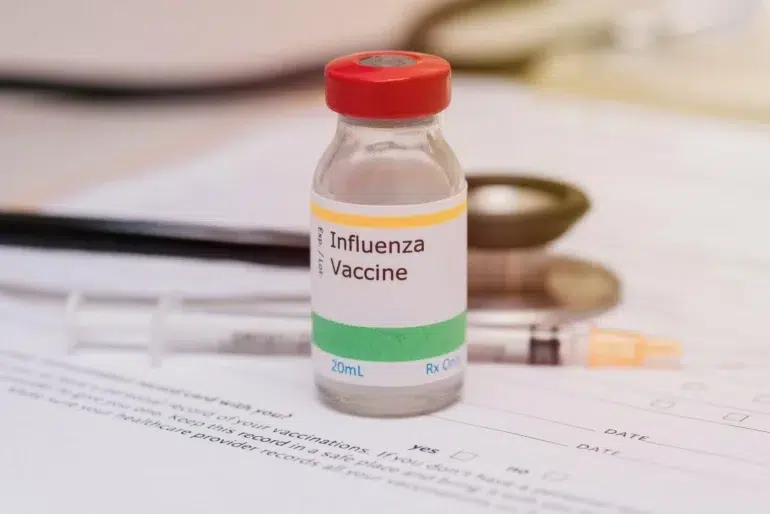
Most people associate the flu with winter—cold weather, dry air, and crowded indoor spaces. Singapore has none of that. Yet the flu circulates here all year long, and for many residents, that comes as a surprise. Understanding why requires a closer look at Singapore’s unique climate, population density, and the biology of the influenza virus itself.
The Tropical Climate Paradox
Temperate countries experience a single flu season, typically in the colder months when people huddle indoors, and the virus thrives in dry air. Singapore sits just one degree north of the equator, which means there are no cold winters to speak of. Instead, the country experiences high humidity, warm temperatures, and year-round rainfall—conditions that, counterintuitively, still support influenza transmission.
Rather than one flu season, Singapore has two annual peaks: April to July and November to January. These periods align with monsoon transitions and shifts in regional weather patterns. Outside of these peaks, the virus does not disappear—it simply circulates at lower levels, keeping the population at a persistent low-level risk throughout the year. This is why getting an influenza vaccine Singapore isn’t a once-in-a-while consideration—it’s an annual health essential.
Why the Flu Thrives in a Crowded City
Singapore’s population density plays a significant role. With over 5.5 million people living in a relatively small area, the conditions for respiratory virus transmission are nearly ideal. Influenza spreads through respiratory droplets when an infected person coughs or sneezes, and it can also survive on contaminated surfaces.
Public transport, office spaces, hawker centres, and shopping malls are all environments where people come into close contact daily. Air-conditioned spaces—which are ubiquitous in Singapore’s heat—recirculate indoor air, creating conditions similar to heated buildings in winter climates. In this sense, Singapore’s reliance on air conditioning effectively mimics the closed-indoor environment that drives flu transmission in colder countries.
International Travel Adds Another Layer of Risk
Singapore is one of the busiest travel hubs in the world. Changi Airport connects the country to regions across Asia, Europe, and beyond—each with its own flu seasons and circulating virus strains. This constant flow of international travelers means that new influenza variants are regularly introduced into the local population.
For this reason, getting a flu vaccination before traveling is especially recommended. Travelers may encounter strains circulating in different parts of the world, and their return can introduce those strains locally. This cross-border movement helps sustain year-round transmission in Singapore, even during off-peak periods.
The Virus Itself Keeps Moving
Part of what makes influenza so persistent is its ability to mutate rapidly. The influenza virus regularly changes its surface proteins—a process called antigenic drift—which means immunity built up from a previous infection or vaccination may not fully protect against newer strains. This is precisely why annual vaccination is recommended rather than a one-time shot.
The composition of the influenza vaccine is updated each year to reflect the strains most likely to circulate. Skipping a year means potentially losing protection against the latest variants, leaving you more vulnerable during either of Singapore’s two flu peaks.
Who Is Most at Risk?
While anyone can catch the flu, certain groups face a higher risk of severe complications. These include:
- Children between six months and five years old
- Adults aged 65 and above
- Pregnant women
- Individuals with chronic conditions such as cardiovascular disease, diabetes, kidney disease, or compromised immunity
- Healthcare workers and those living or working in communal environments, such as dormitories and long-term care facilities
For these groups, catching the flu is more than an inconvenience—it can lead to serious complications, hospitalization, or, in severe cases, death. Vaccination significantly reduces these risks.
What You Should Know About Getting Vaccinated
The flu shot is administered by injection and takes approximately two weeks to offer full protection. It is safe for most people, including pregnant women across all trimesters. Side effects, when they occur, are typically mild—soreness at the injection site, mild fatigue, or a low-grade fever.
If you hold a CHAS (Community Health Assist Scheme) card or belong to the Pioneer or Merdeka Generation, subsidies are available at CHAS GP clinics. Eligible Singaporeans can also use MediSave to offset the remaining co-payment for vaccinations under the National Adult Immunisation Schedule (NAIS).
Frequently Asked Questions
Do I need an annual flu vaccine if I had one last year?
Yes. Because the influenza virus mutates regularly, last year’s vaccine may offer limited protection against this year’s circulating strains. Annual vaccination ensures you stay protected against the most current variants.
Is the flu vaccine safe during pregnancy?
Research consistently shows that the inactivated influenza vaccine is safe during all stages of pregnancy, with no evidence of harm to the fetus. Pregnant women are actually encouraged to get vaccinated, given their heightened risk of severe flu complications.
Protect Yourself Year-Round
Singapore’s year-round flu risk is not something to leave to chance. The combination of a dense urban population, a major travel hub, and two annual peak seasons creates a consistent window of exposure for residents. Annual vaccination remains the most effective and straightforward way to stay protected.
Keystone Medical offers influenza vaccine in Singapore across three convenient clinic locations—Ang Mo Kio, Tanah Merah, and Serangoon—with MediSave-claimable options and CHAS subsidies available. Visit keystonemedical.com.sg/flu-vaccinations to learn more or book your appointment today.