
As Astoria Charm Towson Team explains, many homeowners misunderstand what backup power can and cannot do, often assuming it works like a simple switch that solves every outage instantly. These assumptions come from old generator habits, limited system knowledge, or past experiences with partial-circuit solutions. The reality is far more nuanced. Backup power supports comfort, safety, and continuity, but only when homeowners understand capacity, coverage, and responsiveness. Modern whole-home systems, such as the Anker SOLIX E10 (Power Module + 2× Battery) with the Power Dock, challenge outdated expectations by providing seamless switchover, high surge capabilities, and long-duration readiness. When people grasp these differences, they make better decisions and build homes that stay predictable during the unexpected.
Where Homeowners Commonly Misjudge Backup Power Performance
Many Assume All Backup Systems Work the Same
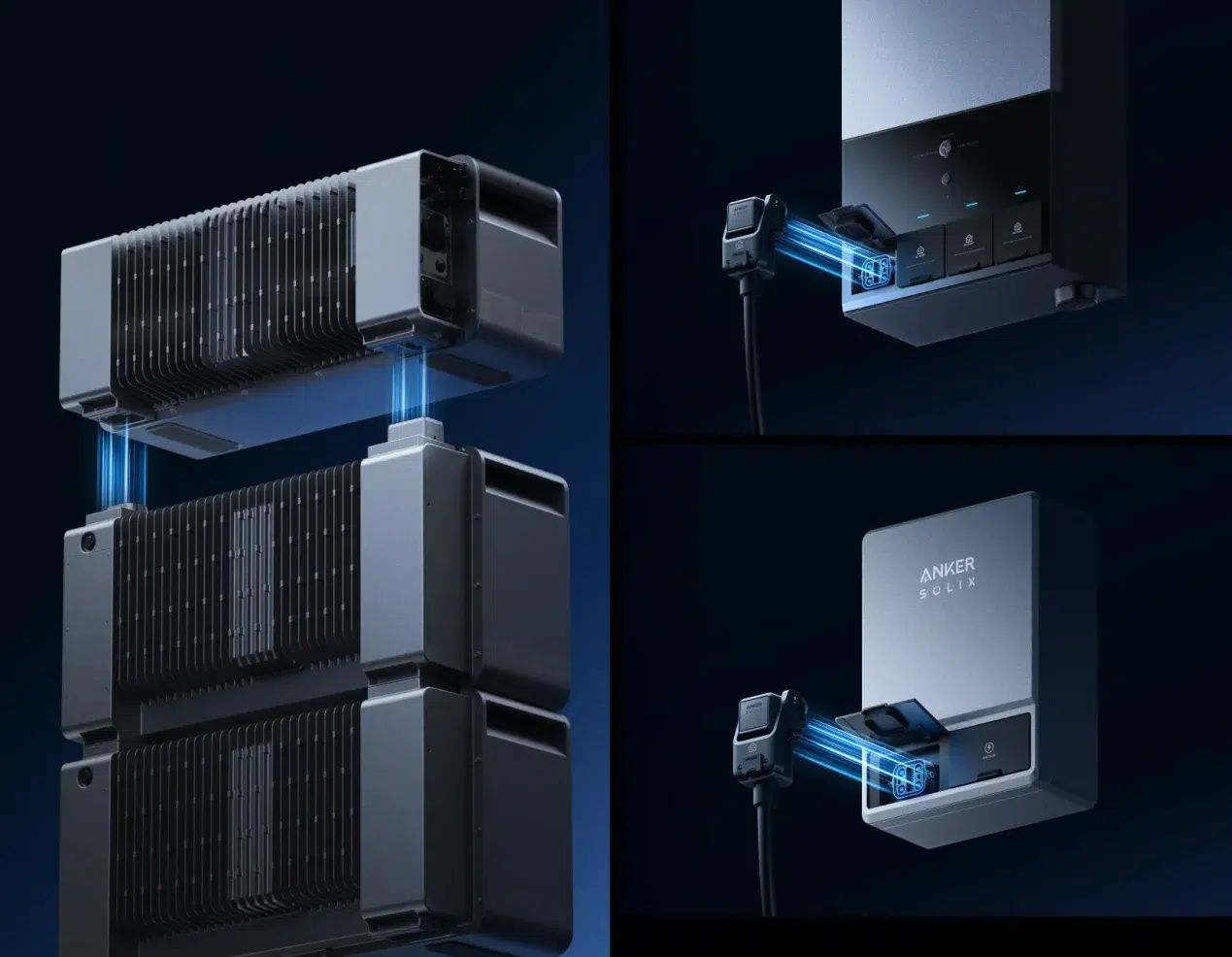
Homeowners often assume every backup solution provides equal coverage, regardless of the technology behind it. They believe any device labeled “backup power” will run the entire home, handle any appliance, and deliver instant results. This misunderstanding leads to disappointment when smaller or limited systems fail to support heavy loads or cover all rooms. Modern systems differ widely in output, surge power, circuit integration, and switchover speed. Whole-home solutions like the E10 paired with the 200A Power Dock highlight how much variation exists. This type of setup protects the entire home panel and activates within ≤20ms, preventing darkness or equipment resets. It also supports demanding appliances using strong surge power and reliable turbo output. When homeowners understand that backup systems vary in capability and design, they choose solutions that truly match their home’s needs rather than relying on generic assumptions.
Homeowners Underestimate How Much Power Their Home Actually Uses
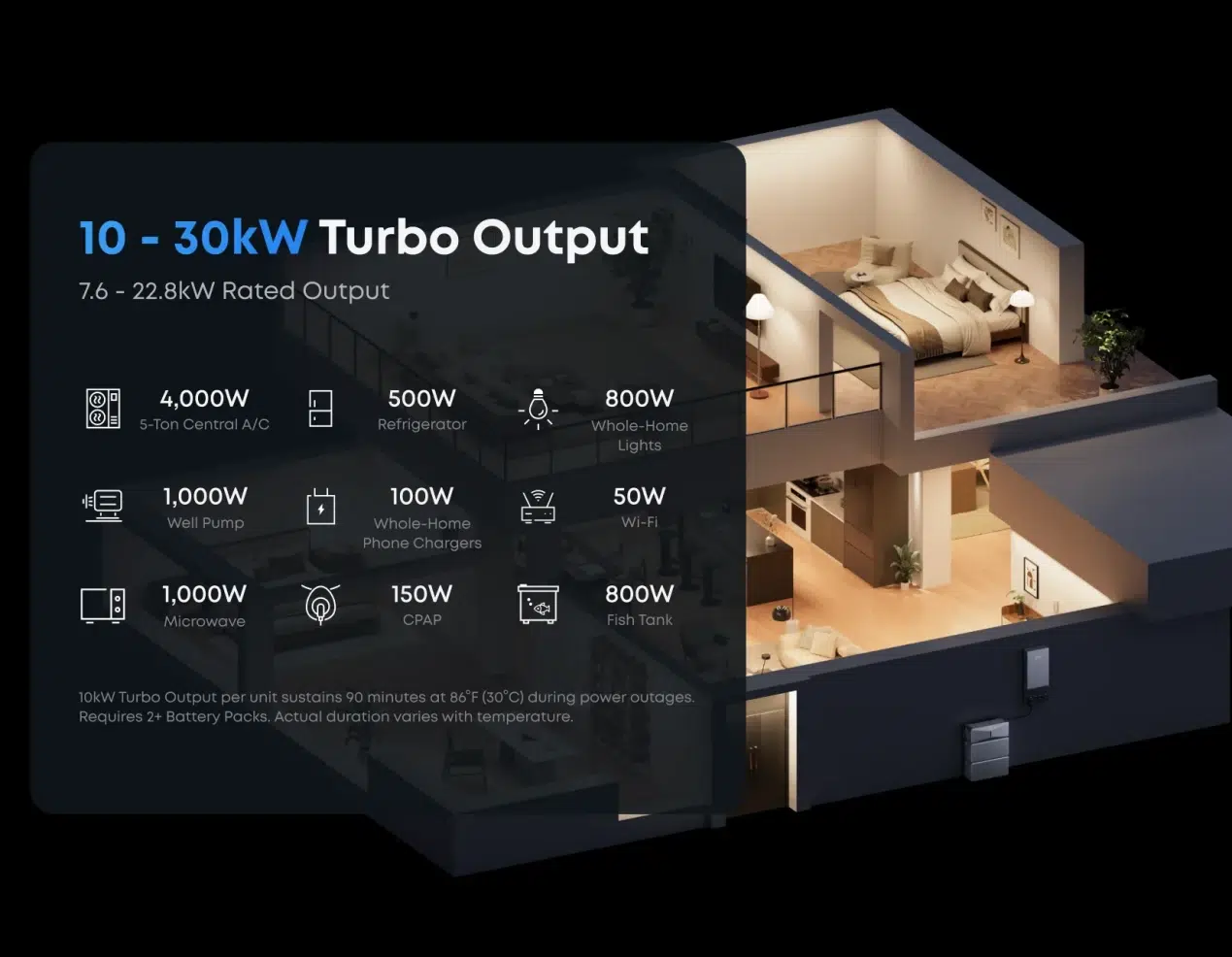
Many people misjudge the real consumption of their appliances. They think running “just a few essentials” requires very little energy, but high-demand devices such as HVAC units, refrigerators, induction cooktops, and well pumps often draw more power than expected. Peak loads spike even higher when multiple appliances start simultaneously. This is where surge capability matters. The E10’s ability to start a 5-ton A/C and handle significant load spikes changes how households stay comfortable during outages. It provides turbo output when needed and continuous support for steady demand. When homeowners recognize how much power their lifestyle requires—especially in large households—they make more informed decisions about system size and backup duration. They avoid surprises and ensure their chosen setup supports daily routines without interruption.
Many Believe Backup Power Cannot Support Long Outages
Another common misconception is that backup systems only help for a few hours. Homeowners assume they will run out of energy quickly or that extended outages require evacuation or major lifestyle changes. This belief usually comes from older systems with small batteries or limited generators. Modern configurations challenge this perception. With expandable battery capacity and support for solar input, systems like the E10 help homes stay powered from one day up to multiple days depending on configuration. Solar input through dual MPPT ports allows households to recharge throughout the day, while synergizing with a smart generator extends readiness even further by maintaining efficient DC charging. When homeowners understand that backup solutions can sustain entire homes for longer periods, they gain confidence in preparing for storms, grid failures, and unexpected disruptions with more flexibility and less stress.
Where Homeowners Misjudge How Backup Power Fits Daily Life
Some Believe Backup Power Only Matters During Storms
Many households see backup power as an “emergency tool” rather than an everyday asset. They assume the system provides value only when outages occur. This narrow view overlooks how reliable backup affects comfort, safety, and operational stability even during normal weather. Backup systems also protect sensitive electronics from power-return surges, maintain steady performance, and ensure appliances remain safe if the grid fluctuates. Because the E10 activates automatically, it protects devices without homeowners noticing. It shields delicate equipment from sudden shifts and stabilizes power during brief disturbances that would otherwise cause flicker or resets. When homeowners understand backup power as both a shield and a continuity tool, they begin to appreciate its role far beyond major storms.
Many Think Backup Power Requires Complex Setup Or Constant Oversight
Homeowners often picture backup systems as complicated machines that demand technical knowledge, constant fuel checks, or extensive rewiring. This expectation stems from older generator models that required manual starts or regular maintenance. Modern systems simplify these assumptions dramatically. With stackable battery design and plug-and-play installation, the E10 reduces complexity for users. Families expand capacity by stacking units, and the Power Dock connects seamlessly to protect the entire home. Professional installation services are also available for households that prefer expert support. Once installed, the system operates automatically without requiring ongoing adjustments or supervision. This shift in simplicity helps homeowners realize that reliable backup power can be straightforward and easy to manage.
Some Believe Traditional Generators Are Still the Only Reliable Backup
A lingering misconception is that traditional fuel-powered units remain the most dependable option for long outages. Many homeowners think batteries cannot provide strong surge power or support HVAC units. Others assume generators remain essential for every home setup. While traditional systems still offer value, modern hybrid platforms provide new levels of reliability, responsiveness, and integration. The E10’s ability to combine battery capacity, solar input, and smart generator synergy creates a layered solution that performs consistently without noise or manual operation. Homeowners who still prefer redundancy may keep a backup generator, but many discover that modern battery-based systems deliver the speed, efficiency, and stability that daily life requires. Recognizing this shift helps families build smarter, more resilient home energy plans.
Conclusion
Many homeowners misjudge backup power because they rely on outdated expectations. They assume systems work the same, underestimate their home’s demand, or overlook how long modern solutions can support the entire household. Understanding these misconceptions helps families choose reliable backup options that match their lifestyle, comfort needs, and long-term planning. Whole-home systems like the Anker SOLIX E10 with 2× Battery and the 200A Power Dock demonstrate how modern backup power achieves seamless transitions, strong surge performance, and extended durability.