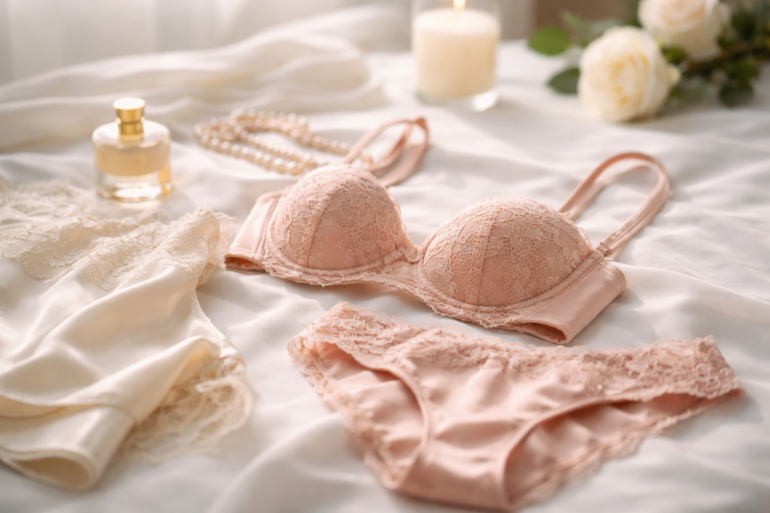
If you have ever paused and wondered, what is a lingerie, you are not alone. It is one of those fashion terms people hear often, but many are not fully sure what it includes, how it differs from underwear in general, or why it has such a distinct place in modern style. In simple terms, lingerie refers to intimate apparel that is designed not only for function, but also for comfort, fit, appearance, and sometimes a sense of confidence or self-expression. The term itself comes from French and has long been associated with lighter, more decorative undergarments and related apparel.
Today, the answer to what is a lingerie is broader than it used to be. Lingerie can include bras, panties, camisoles, slips, bodysuits, teddies, chemises, shapewear, stockings, and certain sleepwear items, depending on context and brand positioning. In modern fashion, lingerie also overlaps with loungewear, occasion wear, and even street style, especially as bralettes, corset-inspired tops, and sheer layering pieces have moved into visible everyday outfits.
That shift matters because lingerie is no longer viewed only as something hidden under clothes. For many shoppers, it sits at the intersection of practicality and style. It can support the body, shape a silhouette, improve outfit structure, and also reflect taste, mood, and personality. Industry research shows the global lingerie market was estimated at about $94.63 billion in 2024 and projected to reach $98.71 billion in 2025, which gives a clear sense of how important this category has become in the wider apparel business.
What Is a Lingerie in Simple Terms?
The simplest answer to what is a lingerie is this: it is a category of intimate clothing that combines function with design. Regular underwear is often discussed mainly in terms of necessity. Lingerie, by contrast, usually carries added attention to fabric, fit, detail, silhouette, and style identity. That does not always mean it is expensive or only meant for special occasions. It simply means the garment belongs to a more style-conscious part of intimate apparel.
In traditional usage, lingerie has mostly referred to women’s undergarments and selected sleepwear. Common materials include lace, satin, silk, cotton blends, mesh, microfiber, nylon, and stretch fabrics that help garments feel lighter or more body-aware. Some pieces are designed for support, others for layering, and others for appearance and comfort at home.
A useful way to think about it is this: all lingerie may be underwear or intimate wear, but not all underwear is necessarily lingerie. Basic multipack cotton briefs, for example, may be underwear first. A structured balconette bra, lace bodysuit, or silk chemise is more likely to be classified as lingerie because style and presentation are part of its purpose.
The Meaning Behind the Word Lingerie
Understanding the word itself helps answer the question what is a lingerie more clearly. The term comes from French and is connected to the word for linen or washable clothing. Over time, English usage gave it a narrower fashion meaning, linking it to lightweight undergarments and intimate pieces with a more refined or attractive appearance.
That history explains why lingerie often feels different from the broad term “underwear.” Underwear is practical language. Lingerie is fashion language. It suggests that the garment has been designed with more intention around aesthetics, fabric feel, finishing, or presentation.
This also helps explain why lingerie appears so often in fashion editorials, product marketing, bridal shopping, seasonal gifting, and personal styling conversations. It is not just about what is worn under clothing. It is also about how that clothing makes the wearer feel.
What Types of Clothing Count as Lingerie?
A lot of confusion around what is a lingerie comes from the fact that the category covers many different items. Some are worn daily. Others are occasional or style-specific. Here is a practical breakdown.
Everyday Lingerie
These are the pieces most people use regularly:
- Bras
- Bralettes
- Panties and briefs
- Camisoles
- Slips
- Shapewear
- Hosiery
These items are often chosen for support, comfort, smoothing, layering, or outfit structure.
Fashion Lingerie
This side of the category leans more into visual appeal and styling:
- Lace bodysuits
- Corset-inspired pieces
- Teddies
- Bustiers
- Chemises
- Matching lingerie sets
These items may still be practical, but they are often selected for their silhouette, detailing, or occasion-specific feel.
Sleep and Lounge Adjacent Pieces
Some sleepwear crosses into lingerie territory, especially when fabrics and styling are more delicate:
- Satin robes
- Babydolls
- Negligees
- Lightweight slips
- Certain nightgowns
Not every pajama item is lingerie, but some sleepwear absolutely belongs in the category.
What Is a Lingerie Versus Underwear?
This is one of the most searched questions around the topic, and it is worth answering directly.
Underwear is the wider category. It includes all underclothes worn for hygiene, coverage, support, or comfort. Lingerie is a more specialized category within intimate apparel. It usually emphasizes one or more of these elements:
- Better styling
- More refined fabrics
- Decorative design
- Specific shaping or silhouette
- Mood, occasion, or self-expression
So when someone asks what is a lingerie, the most accurate answer is not just “underwear.” It is “a more fashion-oriented form of intimate apparel.”
That does not mean lingerie must be revealing or dramatic. A soft nude bralette or a seamless bodysuit can be lingerie too. The category is much wider than the older stereotype of lace-only or occasion-only pieces.
A Brief Look at the History of Lingerie
The modern idea of lingerie developed gradually as women’s clothing changed. Earlier undergarments were often bulky, layered, and heavily shaped. Over time, especially in the late nineteenth and early twentieth centuries, intimate apparel became lighter, more practical, and more closely related to changing silhouettes in dress. Britannica’s overview of twentieth-century dress notes the significant changes in women’s clothing during that era, and the history of lingerie reflects the same broader shift toward mobility, comfort, and modern form.
As corsetry gave way to bras and lighter foundation garments, lingerie became less about extreme restriction and more about shaping, support, and wearability. Later, fashion trends made intimate pieces more visible. By the late twentieth century and into the 2010s and 2020s, lingerie-inspired outerwear became a recurring trend, especially with bralettes, slip dresses, corset tops, and sheer overlays.
That is one reason the phrase what is a lingerie now has a more modern answer than it would have had decades ago. Today it is part of both intimate dressing and visible style culture.
Why Lingerie Matters in Modern Fashion
Lingerie matters because it shapes how clothes sit on the body and how people feel in them. A good bra can change the fit of a blouse, blazer, knit dress, or T-shirt. The right shapewear can create a smoother line under formalwear. A slip can improve drape under lightweight fabrics. A bodysuit can work as both a base layer and a styling piece.
It also matters emotionally. For many people, lingerie is not about dressing for anyone else. It is about feeling put together, supported, comfortable, or quietly confident. That idea is reflected in recent market commentary, where body positivity, fit inclusivity, and self-purchase behavior are highlighted as important drivers in intimate apparel growth.
There is also a strong commercial reason designers pay attention to this category. The fashion industry covers design, manufacturing, retailing, and promotion across all kinds of apparel, and lingerie has become one of its most dynamic segments because it blends utility with emotion and repeat purchase behavior.
Common Lingerie Styles and What They Do
People often ask what is a lingerie because they are trying to identify specific pieces. The names can sound similar, but the functions differ.
A bralette is usually softer and less structured than a traditional bra. It is popular for comfort and casual styling.
A balconette bra is built to lift and shape while creating a wider neckline effect. It is often used under dresses or tops with open necklines.
A bodysuit is a one-piece garment that covers the torso and fastens at the bottom. It can work under clothing or as visible fashion.
A chemise is a lightweight, dress-like intimate piece that often falls softly over the body.
A bustier adds more structure and shaping, often around the bust and waist.
A slip is worn under dresses or skirts to improve drape, comfort, or modesty.
A teddy combines top and bottom into one piece and is generally more style-forward.
Knowing these categories makes shopping easier because it shifts the focus from vague labels to function and fit.
How to Choose the Right Lingerie
The best lingerie is not the most expensive piece or the trendiest one. It is the one that fits your real needs. That could mean support for daily wear, breathable fabric for warm weather, seamless construction under fitted clothing, or a polished piece for a special event.
A simple method is to ask four questions:
1. What is the purpose?
Is it for daily wear, support, shaping, sleep, layering, or a special outfit?
2. What fabric feels best?
Cotton blends are breathable. Microfiber can feel smooth and invisible under clothes. Lace may add style, but the softness and stretch level matter.
3. Does it fit properly?
Fit is everything. Research published in peer-reviewed literature has linked bra fit issues with discomfort concerns, and poorly fitted bras remain a common problem in practice.
4. Will it work with your wardrobe?
A plunge bra, strapless bra, smoothing brief, or nude slip may be less exciting on the hanger, but more useful in real life than trend-driven pieces you rarely wear.
Fit, Comfort, and Real-World Wear
One of the biggest misunderstandings around lingerie is that style matters more than comfort. In reality, the best modern lingerie does both. A piece that looks beautiful but digs into the skin, gaps at the cup, rides up at the back, or rolls at the waist will not feel luxurious for long.
Bra fit is especially important. Studies and professional fitting research suggest that many women wear the wrong size, which can affect comfort and support.
A few everyday signs of poor fit include:
- Straps that keep slipping
- Cup overflow or gaping
- Bands that ride up in back
- Underwire pressing into tissue
- Constant need to adjust throughout the day
In practical terms, good lingerie should almost disappear once it is on. You should notice the support and feel, not the irritation.
What Is a Lingerie in Today’s Style Culture?
In today’s fashion language, what is a lingerie is no longer only a private-clothing question. It is also a styling question. Lingerie-inspired dressing has become a real part of mainstream fashion. Slip dresses, corset tops, visible bralettes under blazers, satin camisoles, and sheer layered looks all borrow from lingerie design language.
This does not mean every intimate piece is meant to be seen. It simply shows how influential lingerie has become in fashion design. What used to stay underneath now often shapes the whole outfit concept.
That is also why shoppers increasingly look for versatility. A bodysuit may work under jeans and a jacket. A lace-trim camisole can function as a layering piece. A robe can cross from sleepwear into luxury loungewear. Modern fashion tends to reward pieces that move across categories.
Frequently Asked Questions
Is lingerie only for special occasions?
No. A lot of lingerie is made for daily use. Comfortable bras, briefs, slips, camisoles, and soft bodysuits are all part of everyday wardrobes.
Is lingerie always revealing?
Not at all. Some lingerie is minimal or decorative, but much of it is practical, supportive, and quite modest.
What is the difference between lingerie and sleepwear?
There is overlap, but not all sleepwear is lingerie. Pajama sets are usually sleepwear. A chemise, negligee, or satin robe may be classified as lingerie depending on fabric, cut, and branding.
Can lingerie be comfortable?
Yes, and it should be. Good design, accurate sizing, soft materials, and the right style choice make a huge difference.
Final Thoughts
So, what is a lingerie really? It is intimate apparel with a stronger connection to fit, fabric, design, and personal style than the plainest forms of underwear. It can be simple or elevated, everyday or occasion-focused, hidden or layered into visible fashion. Its real importance lies in how it blends comfort, support, and self-expression into one category.
Modern shoppers no longer see lingerie as a narrow or outdated idea. They see it as part of getting dressed well. Whether the goal is practical support, a smoother outfit line, a polished wardrobe base, or a small personal confidence boost, lingerie has a clear place in contemporary fashion. If you are learning the category for the first time, start with function, pay attention to fit, and understand the language of the pieces. That alone makes shopping smarter and wearing them more comfortable.
The word itself also has an interesting fashion history tied to a French term, which helps explain why lingerie still carries both practical and style meanings today. Once you understand that balance, the question what is a lingerie becomes much easier to answer in a real-world way.