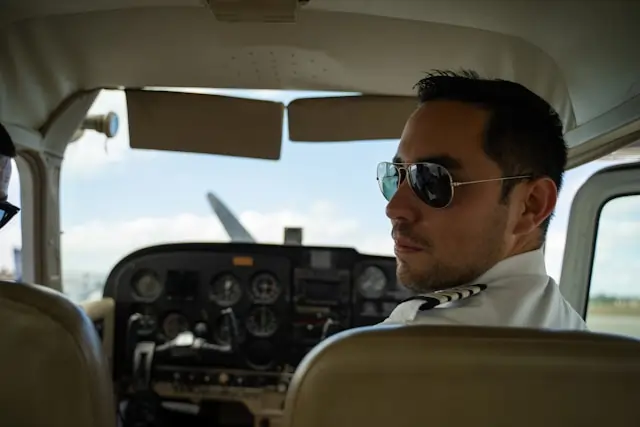
The dream of soaring through the skies and commanding an aircraft captures the imagination of countless individuals worldwide. There’s something profoundly captivating about the idea of taking control of a powerful machine and navigating through the clouds. Aviation careers offer unique opportunities for adventure, professional growth, and the deep satisfaction that comes from mastering one of humanity’s most impressive technological achievements. However, becoming a pilot isn’t just about loving airplanes, it requires significant dedication, extensive training, and a crystal-clear understanding of the path ahead.
Understanding Different Types of Pilot Careers
The aviation industry encompasses a remarkably diverse range of piloting opportunities, each offering distinct requirements and career trajectories that cater to different personalities and preferences. Commercial airline pilots represent the most visible segment of the profession, transporting passengers across continents and operating large aircraft for major carriers and regional airlines alike. Corporate pilots fly private aircraft for businesses and high-net-worth individuals, typically enjoying more flexible schedules and the intimate working environments that come with smaller crews. Cargo pilots have carved out their own specialized niche in freight transportation, often working overnight routes to ensure timely delivery of goods worldwide while the rest of the world sleeps.
Educational Requirements and Prerequisites
Embarking on a pilot career begins with meeting fundamental educational and physical requirements designed to ensure both safety and competency in the cockpit. Most aviation careers require at least a high school diploma as a baseline, though many airlines and advanced positions strongly prefer candidates who’ve pursued college degrees, particularly in aviation-related fields, engineering, or business administration. Strong performance in mathematics, physics, and English isn’t just helpful, it’s essential, since pilots must perform complex calculations on the fly, understand sophisticated aerodynamic principles, and communicate clearly and precisely with air traffic control in high-pressure situations. Prospective pilots must obtain a medical certificate from an FAA-authorized aviation medical examiner, with requirements varying significantly based on the type of certificate you’re pursuing.
Flight Training and Certification Process
The path to becoming a certified pilot involves a structured progression through multiple certification levels, with each stage carefully building upon the knowledge and skills you’ve already mastered. The journey typically begins with earning a private pilot license, which requires a minimum of 40 flight hours according to FAA regulations, though most students realistically need somewhere between 60 and 75 hours before they’re ready to demonstrate true proficiency. Training covers essential topics that form the foundation of all future flying, including aircraft systems, meteorology, navigation techniques, aerodynamics, and the federal aviation regulations that govern every aspect of flight operations. After mastering basic flight operations and becoming comfortable in the pilot’s seat, aspiring professional pilots then pursue an instrument rating, a critical qualification that enables them to fly safely in various weather conditions using cockpit instruments rather than relying on visual references alone.
Cost Considerations and Financial Planning
Pursuing a pilot career represents a significant financial investment that absolutely requires careful planning and realistic expectations about the costs you’ll encounter along the way. Flight training expenses vary considerably depending on your location, the type of aircraft you’re training in, and your individual learning pace, with private pilot licenses typically ranging anywhere from ten thousand to fifteen thousand dollars. Advancing through commercial certification and accumulating the required 1, 500 hours necessary for an airline transport pilot certificate can total somewhere between seventy thousand and one hundred fifty thousand dollars when everything’s said and done. These substantial costs include aircraft rental fees, instructor charges, ground school tuition, testing fees at various stages, medical examinations, and all the study materials you’ll need throughout the process. Many aspiring pilots explore various financing options to make their dreams achievable, including federal student loans for accredited aviation programs, private aviation loans from specialized lenders, military service that provides flight training benefits, and airline-sponsored cadet programs that cover training costs in exchange for employment commitments. Some flight schools offer accelerated programs that concentrate training into shorter, more intensive periods, potentially reducing overall costs by minimizing inefficiencies and keeping you progressing steadily toward your goals. During training, professionals who need to test aircraft systems in various atmospheric conditions rely on specialized instruments like the gill g-25 to ensure accurate readings and maintain safe operations in all circumstances. It’s absolutely crucial to research schools thoroughly before committing, carefully comparing their safety records, instructor quality and experience, aircraft condition and maintenance standards, and graduate employment rates. Despite the substantial upfront investment that can feel overwhelming at times, airline pilot careers offer genuinely strong long-term earning potential, with major airline captains at legacy carriers earning salaries that regularly exceed two hundred thousand dollars annually after they’ve gained sufficient experience and moved up the seniority ladder.
Building Flight Hours and Gaining Experience
Accumulating the flight hours necessary for commercial and airline positions presents one of the most challenging aspects of launching a pilot career, requiring genuine creativity, unwavering persistence, and strategic planning that goes beyond simply logging time. Many newly certified commercial pilots start their professional journey working as flight instructors, which allows them to simultaneously build hours while earning income and deepening their understanding of aviation fundamentals through the unique perspective that teaching provides. Banner towing, aerial surveying, pipeline patrol, and traffic reporting offer additional time, building opportunities that can help you reach your hour requirements, though it’s worth noting these positions may be seasonal or limited in availability depending on where you live. Some pilots pursue opportunities in skydiving operations, where they can log valuable turbine engine time while making multiple short flights daily, sometimes as many as ten or twelve flights when the weather cooperates and the drop zone is busy.
Career Advancement and Long-Term Prospects
The aviation industry offers remarkably clear career progression pathways with substantial growth potential for dedicated professionals who continuously develop their skills and embrace new challenges. Most airline pilots begin their careers at regional carriers as first officers, gaining invaluable experience on smaller aircraft before eventually transitioning to major airlines and the larger equipment that comes with those coveted positions. Seniority systems govern career advancement in most airline operations, determining not just your pay but also your schedules, aircraft assignments, routes, and ultimately your promotion to captain positions where you’ll have final authority over the aircraft. Beyond traditional airline careers that follow this well, worn path, experienced pilots can pursue corporate aviation positions that often offer better work-life balance, charter operations with incredibly diverse flying experiences, or specialized roles in aviation management and safety oversight.
Conclusion
Pursuing a career as a pilot represents an exciting and genuinely rewarding journey that combines technical mastery, professional growth, and the unique thrill of flight that never quite gets old no matter how many hours you log. While the path certainly requires significant time, substantial financial investment, and unwavering dedication to your goals, the aviation industry offers extraordinary opportunities for those willing to commit wholeheartedly to excellence in everything they do. From that first discovery flight that ignites the passion and gets your heart racing, to commanding sophisticated aircraft across international routes while watching the sun rise over distant continents, each phase of a pilot’s career brings fresh challenges and meaningful accomplishments that make all the hard work worthwhile. Success in this demanding field depends on embracing continuous learning, showing adaptability to technological changes that are reshaping aviation, and maintaining the highest safety standards throughout your career without exception or compromise.