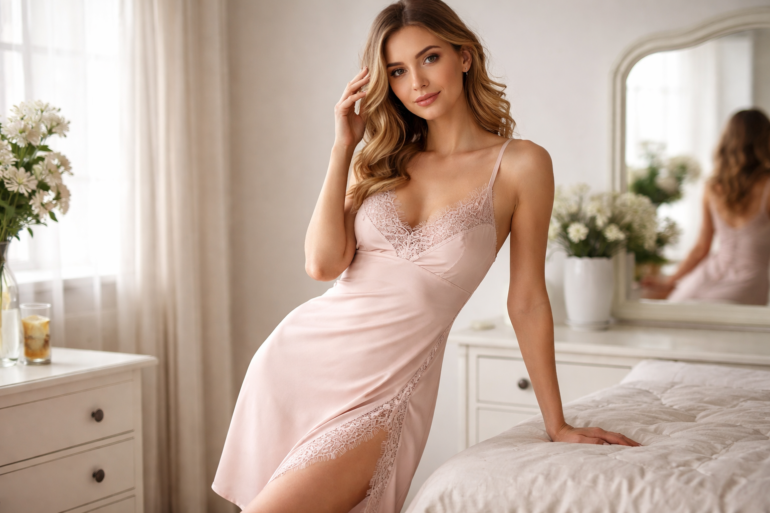
Micro Lingerie has moved from a niche style category into a visible part of the broader fashion conversation. What once sat quietly at the edge of intimate apparel is now showing up in trend reports, online retail collections, social media styling content, and discussions about body confidence, self expression, and changing ideas of sensual dressing. At its core, Micro Lingerie is about minimal coverage, lightweight construction, and a sharper focus on silhouette, detail, and attitude. The appeal is not only visual. For many shoppers, it also represents confidence, personal style, and a more intentional approach to intimate fashion. The broader lingerie market itself has been growing steadily, with researchers pointing to increased demand for personalization, body inclusive design, and digital retail discovery as major drivers.
For readers trying to understand why this category matters right now, the answer is bigger than a single garment trend. Fashion has been shifting toward pieces that feel expressive, customizable, and less tied to old rules. Consumers increasingly look for items that balance aesthetics with identity, and intimate wear has become part of that shift. Market research also suggests that body positivity, product innovation, and changing shopping behavior continue to influence lingerie buying decisions worldwide.
What Is Micro Lingerie?
Micro Lingerie refers to ultra minimal intimate apparel designed with less fabric, a more revealing silhouette, and a stronger emphasis on shape, visual impact, and styling detail. It usually includes very small bras, panties, thongs, triangle cuts, strappy sets, sheer panels, and pieces built around narrow bands, delicate trims, or barely there construction. The word sits within the wider vocabulary of lingerie, which generally includes fashionable undergarments and intimate apparel rather than purely functional basics.
That definition matters because Micro Lingerie is not simply “less fabric.” It is a design choice. The cut, proportion, placement of straps, and material selection all affect how the piece looks and feels. A well designed set can feel intentional, refined, and fashion forward rather than just provocative. That distinction is part of why the category has become more visible in modern intimate wear.
In practical terms, Micro Lingerie often overlaps with categories like minimal lingerie, sheer lingerie, strappy lingerie, and fashion led intimate sets. Some pieces are made for private wear. Others are styled as part of outerwear inspired fashion, especially when layered under blazers, oversized shirts, mesh tops, or low cut evening looks. This crossover between lingerie and fashion is one reason the category continues to attract attention.
Why Micro Lingerie Is Getting More Attention
The rise of Micro Lingerie reflects several shifts happening at the same time. One is the way social media has changed how fashion is discovered. Trends no longer move only through runway shows and magazines. They move through creators, boutique brands, styling videos, and direct to consumer shopping experiences. That has helped smaller or more specialized lingerie aesthetics reach mainstream audiences faster.
Another reason is the broader transformation of the lingerie business itself. Grand View Research estimated the global intimate lingerie market at $14.72 billion in 2023 and projected strong growth through 2030, while other industry trackers also forecast continued expansion tied to personalization, digital commerce, and changing consumer preferences.
There is also a cultural shift behind the trend. Intimate apparel is increasingly framed as something worn for the person buying it, not only for an outside gaze. That sounds simple, but it has changed how brands design and market products. Consumers want options that feel expressive, modern, and aligned with personal taste. For some, Micro Lingerie fits that need because it feels daring, polished, and intentional.
Comfort trends matter too. Circana reported softness in apparel sales overall while identifying “polished comfort” categories as relative bright spots, showing how shoppers continue to weigh style and ease together when making fashion decisions. In lingerie, that translates into demand for better fabrics, smarter stretch, lighter construction, and pieces that feel modern without looking bulky.
The Design Language Behind Micro Lingerie
What makes Micro Lingerie stand out is not just the amount of fabric but the way designers use restraint. The best pieces rely on line, fit, and texture. Tiny triangle cups, narrow waist straps, open side details, sheer mesh inserts, and fine elastic bands all help create a look that feels architectural and deliberate.
Fabric plays a huge role here. Because the coverage is limited, every detail becomes more visible. Lace has to lie well. Mesh has to feel soft and recover its shape. Satin or stretch blends need to skim the body rather than bunch or twist. This is one reason quality matters more in minimal intimate wear than many first time buyers expect.
Color also shapes the mood of the category. Black remains the strongest classic because it photographs well, flatters many skin tones, and gives minimal garments a cleaner visual edge. But neutrals, blush shades, jewel tones, and even high contrast fashion colors are increasingly common. In many collections, the mood is less about old fashioned “matching sets” and more about styling personality.
The category also borrows from swimwear, festival fashion, and contemporary underwear design. That crossover has made Micro Lingerie feel less isolated and more part of a broader fashion ecosystem. Minimal straps, cutout logic, and body framing techniques now appear across multiple apparel categories, which helps explain why this look feels current instead of fringe.
Micro Lingerie and the Changing Meaning of Confidence
One of the biggest reasons Micro Lingerie resonates with buyers is confidence. That does not mean everyone who wears it feels fearless all the time. It means the category often appeals to people who want intimate wear that feels expressive rather than strictly practical or traditional.
Confidence in this space is deeply personal. For one person, it may come from wearing something visually striking under everyday clothing. For another, it may come from seeing intimate apparel as an extension of style rather than a hidden afterthought. That shift matters because lingerie has long been sold through narrow beauty ideals. Today, many consumers are actively pushing back against that.
Industry research has linked body positivity and self acceptance to growing interest in a wider range of intimate wear choices. Grand View Research specifically identifies changing social attitudes around body positivity and acceptance as part of the market expansion story. That does not mean the industry has solved inclusivity. It has not. But the direction of change is real.
This helps explain why Micro Lingerie can feel empowering for some shoppers. The appeal is not only seduction. It can also be about ownership, experimentation, and deciding what confidence looks like on your own terms.
Choosing the Right Micro Lingerie Fit
Fit is where the conversation becomes practical. Because Micro Lingerie uses less fabric and lighter structure, sizing mistakes tend to show up fast. A band that is too loose, straps that cut in, or cups that sit awkwardly can change the entire look and feel of the garment.
The first rule is to know your current measurements. Many people buy lingerie based on an old size and then assume the style is the problem when the fit fails. In reality, body measurements can change over time, and minimal pieces leave less room for sizing error.
The second rule is to pay attention to fabric behavior. Stretch mesh, elastic lace, and microfiber blends all perform differently. A tiny triangle bralette in a soft stretch material may feel easy and forgiving, while a strappy set with firmer trims may require more precision.
The third rule is to read the product construction, not just the size label. Adjustable sliders, flexible elastic, double lined gussets, reinforced seams, and softer edge finishes all matter. With minimal garments, a few smart details often separate a flattering piece from one that never feels right.
Here are a few quick fit priorities buyers should keep in mind:
- Look for adjustable straps and back settings whenever possible.
- Check fabric composition before buying, especially if the piece is sheer or highly elastic.
- If you are between sizes, review how the brand describes fit rather than assuming your usual size.
- Start with a classic minimal set before moving into more extreme cuts or open strappy designs.
Materials Matter More Than Most People Think
A lot of shoppers focus on appearance first, but material quality is one of the biggest factors in whether Micro Lingerie feels premium or disappointing. Intimate garments sit close to the skin, so softness, breathability, stretch recovery, and durability all matter.
This topic also ties into a larger textile issue. Textile Exchange reported that global fiber production reached a record 124 million tonnes in 2023, underscoring the scale of material use across the fashion industry and why fabric sourcing now matters more than ever for brands and consumers alike.
In Micro Lingerie, the most common materials include nylon blends, elastane, mesh, lace, satin finishes, microfiber, and sometimes silk inspired textiles. Each has tradeoffs. Mesh can be breathable and visually light. Lace can look luxurious but vary widely in softness. Satin can create a polished look but may not offer the same stretch behavior as other fabrics.
As sustainability becomes a stronger part of fashion buying, many consumers are also paying closer attention to recycled synthetics, certified materials, and lower impact textile claims. That does not automatically make a garment sustainable, but it does show how the intimate wear conversation is expanding beyond appearance alone. Textile Exchange’s market reporting has repeatedly highlighted the importance of certified and preferred fibers in the broader textile sector.
Styling Micro Lingerie in a Modern Way
One reason this category has gained momentum is that it no longer lives only in the drawer. Fashion styling has pulled lingerie into visible outfit building, especially in editorial looks, eveningwear, and layered street style. That does not mean every Micro Lingerie piece is meant to be seen publicly. It means the styling language around intimate apparel has changed.
A minimal lace bralette under an oversized white shirt can look relaxed and fashion forward. A sleek black strappy top layered under a blazer can read like deliberate evening styling. Sheer garments paired with tailoring can shift the tone from overtly revealing to sharp and modern. Context changes everything.
The smartest styling approach is balance. If the lingerie piece is visually bold, the surrounding outfit usually works best when it stays clean and structured. Simple trousers, neutral layers, and restrained accessories keep the look polished. The result feels intentional instead of overworked.
This is also where personal comfort matters most. Not every trend needs to be worn publicly to be meaningful. For many people, the styling aspect is internal. Wearing something that feels stylish beneath everyday clothing can be enough.
Common Questions Buyers Ask
Is Micro Lingerie only about appearance?
No. Appearance is central to the category, but shoppers also care about fit, comfort, confidence, material feel, and styling versatility. The best pieces combine visual impact with thoughtful construction.
Is it practical for everyday wear?
Some styles are, and some are not. Soft bralettes, minimal sets, and lightweight mesh designs can work for everyday use depending on the cut and fabric. More extreme or highly strappy styles are usually better suited to specific moods, outfits, or occasions.
Who is Micro Lingerie for?
Anyone drawn to the aesthetic. The idea that only one body type can wear minimal intimate apparel is outdated. Fit, brand sizing, and personal comfort matter far more than following a narrow image.
What should first time buyers look for?
Start with soft fabrics, adjustable elements, and a silhouette that feels approachable. A clean triangle set or a minimal lace bralette with matching bottoms is often easier to wear than a highly complex multi strap design.
The Business Side of the Trend
From a retail perspective, Micro Lingerie aligns with several profitable shifts in fashion. It photographs well, performs strongly in visual commerce, and fits the social media driven retail environment where style categories spread quickly through images and short form video. That matters because discovery today is increasingly digital.
Analysts across the lingerie and intimate apparel market continue to connect growth to e commerce, customization, and innovation in product design. Technavio has also pointed to personalization as a growth driver in the lingerie market, while Mordor Intelligence notes the influence of digital sales and virtual fitting tools.
This helps explain why brands keep investing in smaller, trend sensitive collections. Micro Lingerie can serve both fashion led shoppers and premium buyers looking for distinctive pieces. It sits at the intersection of visual appeal, identity based shopping, and niche discovery, which is a powerful retail mix in the current market.
Final Thoughts on Micro Lingerie
Micro Lingerie is more than a provocative niche. It reflects how intimate fashion is changing in real time. Consumers want pieces that feel expressive, personal, and aligned with modern style, and brands are responding with designs that emphasize minimalism, confidence, and visual precision.
What makes the category interesting is not just how little fabric it uses. It is how much meaning can be packed into a small design. Fit, materials, confidence, styling, and identity all come together here. That is why Micro Lingerie continues to stand out in an industry that is becoming more digital, more personalized, and more style conscious each year. In the language of intimate apparel, it marks a visible move toward fashion that feels smaller in scale but bigger in statement.
For shoppers, the smartest approach is to treat Micro Lingerie the same way they would treat any modern fashion purchase. Look at quality. Pay attention to fit. Choose what feels authentic. When the construction is thoughtful and the styling feels true to the wearer, this category can offer much more than surface level appeal.
Conclusion
Micro Lingerie has become a bold shift in intimate fashion because it captures several modern priorities at once: personal expression, minimal design, body confidence, and fashion forward styling. Its growing relevance is tied not only to aesthetics but also to larger market changes in digital retail, product innovation, and evolving consumer attitudes. For readers, shoppers, and fashion watchers alike, Micro Lingerie stands out as a category that turns intimate wear into a clearer statement of identity and style.