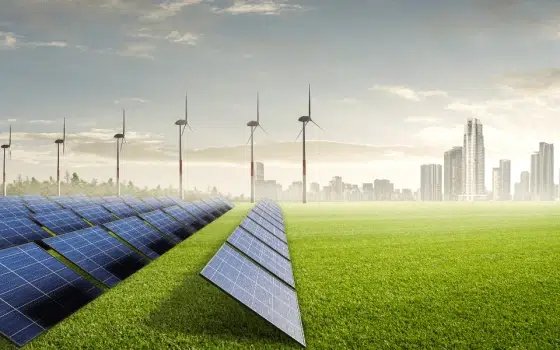
Global power generation is facing increasing pressure due to rising energy demand, dependence on fossil fuels, and concerns around environmental impact. Traditional electricity systems, built around large, centralized power plants, often struggle with inefficiencies, transmission losses, and limited flexibility.
To address these challenges, the global energy landscape is shifting towards cleaner and more adaptable solutions. Renewable energy systems are playing a key role in this transition, offering a more sustainable and decentralized approach to power generation. As adoption increases, these systems are reshaping how electricity is produced, distributed, and consumed worldwide.
The Shift Toward Large-Scale Decarbonization
The primary driver behind the change in power generation is the fast deployment of carbon-free technologies. Solar and wind power are no longer niche experiments; they have become the most cost-effective ways to add new capacity to the grid in most countries.
Advancements in solar photovoltaic (PV) technology, such as panels that capture sunlight from both sides, have increased energy output significantly. At the same time, larger wind turbines can reach higher altitudes where winds are stronger and more consistent. Together, these improvements have made renewable energy systems more efficient and reliable, allowing them to compete with traditional power plants in both performance and cost.
Decentralization and Grid Resilience
One of the most important changes in the power sector is reducing dependence on a few large power plants. Today, the grid is evolving into a network of smaller, interconnected energy sources.
This Decentralized Approach Offers Several Advantages:
- Localized Reliability: Small-scale solar installations and microgrids can keep local businesses and essential services running even if the main grid experiences a failure.
- Reduced Transmission Loss: Generating power closer to where it is consumed reduces the amount of electricity lost as heat during transport over long-distance wires.
- Empowered Consumers: Industrial sites and commercial buildings can now generate their own electricity, reducing their dependence on volatile energy markets.
The Role of Integrated Energy Storage
The integration of battery storage has addressed the challenge of variability in wind and solar power. High-capacity battery arrays allow grid operators to capture surplus energy during periods of high production and release it when demand increases.
This capability turns intermittent sources into a steady, predictable supply of electricity. By combining different power sources with energy storage, it becomes easier to supply a steady and reliable flow of electricity that meets the demands of industries and cities.
Economic Incentives and Market Leadership
The shift to clean energy is now driven as much by economics as by sustainability. The cost of generating electricity from solar and wind has fallen sharply, making them a practical choice for utility companies and governments. This cost advantage has also encouraged greater private sector participation, accelerating the adoption of renewable energy systems.
Companies like Hero Future Energies play an important role in this transition by developing a mix of solar, wind, and hybrid energy projects. Their work shows that large-scale renewable energy systems can be financially viable and capable of meeting the growing power needs of developing economies. As more such projects come online, they support the gradual shift away from ageing coal and gas infrastructure towards more efficient and lower-maintenance energy solutions.
Digitalization and Intelligent Management
The future of power generation depends heavily on digital infrastructure. Managing a grid with thousands of distributed energy sources requires advanced systems to maintain balance.
Modern grids use data analytics to track real-time power generation and consumption. Predictive tools analyze weather patterns to estimate solar and wind output in advance. This allows grid operators to adjust other power sources accordingly, ensuring a steady supply that matches demand without unnecessary waste.
Electrification of the Broader Economy
As the grid becomes cleaner, electricity is steadily replacing fossil fuels in sectors that were earlier difficult to change. The growth of electric vehicles and the use of electric heat pumps in large buildings are increasing overall power demand.
This shift towards electrification creates a self-reinforcing cycle. As more sectors switch to electricity, demand for renewable energy systems rises, which helps reduce costs at scale. At the same time, technologies like green hydrogen are emerging to use renewable electricity for heavy industries such as shipping and chemical manufacturing, where battery-based solutions are not practical.
Conclusion
The evolution of global power generation involves a combination of infrastructure upgrades, digital integration, and changing market dynamics. The shift towards renewable energy systems, supported by storage and smart grid management, is creating a more reliable and efficient energy framework. With a focus on scalable technologies and better distribution, the power sector is becoming more cost-effective and sustainable. Ongoing improvements will be essential to meet the rising energy demands of an increasingly electrified world.