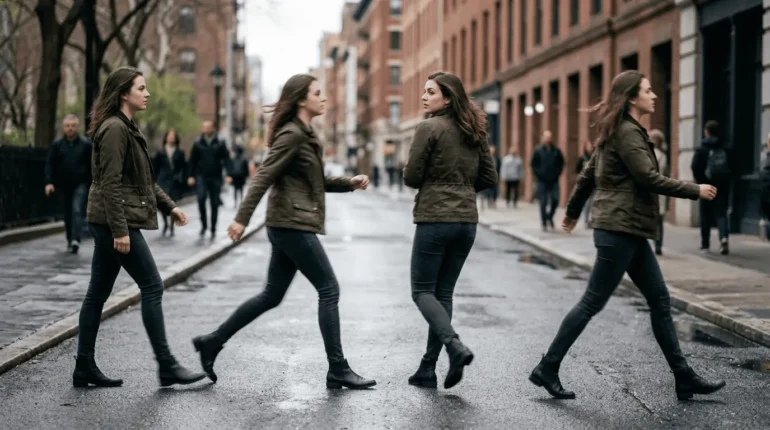
Every story has a rhythm. Some unfold slowly, giving space for details to breathe. Others move quickly, pulling the viewer forward with urgency. Pacing is not just about speed. It is about timing, balance, and how moments are arranged.
For a long time, pacing was shaped by production limitations. The availability of footage, the constraints of editing, and the structure of storytelling all influenced how a story moved.
That influence is changing. AI video is introducing a new kind of flexibility, one where pacing is no longer restricted by what was captured, but guided by what needs to be felt.
From Fixed Timelines to Fluid Narratives
Traditional video often followed a fixed structure. Scenes were built around available footage, and pacing was adjusted within those boundaries. Once content was captured, pacing became a matter of editing rather than creation.
AI video changes this dynamic. Instead of working within fixed material, creators can shape pacing as part of the creation process itself. To explore how this works in practice, AI Video Generator allows creators to build and adjust scenes in a way that aligns directly with narrative flow.
Higgsfield supports this by enabling creators to refine how sequences unfold, making pacing a more intentional element of storytelling. This shifts pacing from adjustment to design.
The Rise of Adaptive Story Rhythm
Pacing is no longer uniform. Different parts of a story can now move at different speeds, depending on what needs to be emphasized. Many creators are now focusing on Changing pacing structure in modern videos as they explore more dynamic storytelling approaches.
This includes:
- Faster openings to capture attention
- Slower moments to build emotional depth
- Sudden shifts to maintain interest
AI video allows these variations to be introduced more easily. Higgsfield enables creators to experiment with different pacing structures, helping them find the rhythm that best supports their message.
This leads to stories that feel more responsive and engaging.
Micro-Pacing and The Power of Small Moments
Pacing is not only about the overall structure. It also exists within individual scenes. Micro-pacing refers to how small moments are timed and arranged.
These include:
- The length of a single shot
- The timing of a transition
- The pause before a key moment
AI video allows creators to refine these details with precision. Instead of relying on captured footage, they can shape each moment intentionally.
Higgsfield supports this by allowing creators to adjust timing within the same workflow, ensuring that each moment contributes to the overall rhythm. This level of control makes pacing more nuanced.
Attention And the Compression of Time
Viewer attention is changing. Content is often consumed quickly, and stories need to adapt to shorter attention spans. This has led to a compression of time within storytelling.
AI video supports this shift by allowing creators to:
- Deliver key ideas more quickly
- Remove unnecessary transitions
- Focus on essential moments
At the same time, it allows for expansion when needed. This balance between compression and expansion is shaping modern pacing. Higgsfield enables creators to adjust this balance, helping them align with how audiences engage with content.
Smoothness Versus Natural Irregularity
One of the noticeable effects of AI video is smoothness. Transitions can be cleaner, and motion can feel more controlled. While this can improve clarity, it can also affect how pacing feels.
Natural pacing often includes slight irregularities:
- Variations in timing
- Unexpected pauses
- Subtle shifts in rhythm
These elements add character to storytelling. Higgsfield allows creators to balance smoothness with natural variation, ensuring that pacing does not feel overly mechanical.
This balance plays a key role in how stories are experienced.
Building Emotional Timing into Visual Flow
Pacing is closely tied to emotion. The timing of a scene can influence how it is felt. AI video allows creators to design emotional timing more intentionally.
This includes:
- Slowing down moments to create impact
- Accelerating sequences to build excitement
- Using pauses to emphasize meaning
Higgsfield supports this by enabling creators to refine how scenes are structured and timed. The importance of maintaining consistency while shaping emotional flow is also reflected in workflows where multiple outputs retain a cohesive identity, strengthening recognition over time.
This makes pacing a tool for emotional storytelling.
Multi-Platform Pacing Adjustments
Different platforms demand different pacing styles. Short-form content often requires faster pacing, while longer formats allow for more gradual storytelling. AI video allows creators to adapt pacing across platforms without rebuilding content from scratch.
This helps in:
- Adjusting scene length for different formats
- Modifying transitions to match platform expectations
- Maintaining consistency while adapting speed
Higgsfield supports collaboration and refinement, making it easier to align pacing with platform-specific needs.
For those exploring how pacing affects audience engagement, viewer behavior patterns provide useful insights into how content is consumed. This adaptability strengthens storytelling across formats.
Iteration And the Evolution of Story Flow
Pacing is no longer fixed after editing. It can evolve. AI video allows creators to revisit and refine pacing based on feedback and performance. This creates a more iterative approach to storytelling.
Creators can:
- Adjust timing based on audience response
- Refine transitions for better flow
- Improve rhythm over multiple versions
Higgsfield enables this continuous refinement, allowing pacing to improve over time. This turns storytelling into an ongoing process.
Redefining What “Good Pacing” Means
The definition of good pacing is changing. It is no longer about following traditional structures. Instead, it is about aligning with how audiences experience content.
This includes:
- Matching pacing to attention patterns
- Balancing speed with clarity
- Creating rhythm that feels natural
An AI video generator allows creators to explore these new definitions. Higgsfield reflects this by providing a space where pacing can be shaped and refined continuously. This leads to more flexible storytelling approaches.
Conclusion
Pacing has always been a fundamental part of storytelling. AI video is changing how that pacing is created, refined, and experienced. By allowing creators to design rhythm with greater precision, it is shaping a new kind of narrative flow.
Higgsfield shows how this can be applied in practice. By enabling control over timing, transitions, and structure, it allows creators to craft stories that feel more aligned with modern viewing habits. In the end, pacing is not just about speed. It is about how a story breathes.