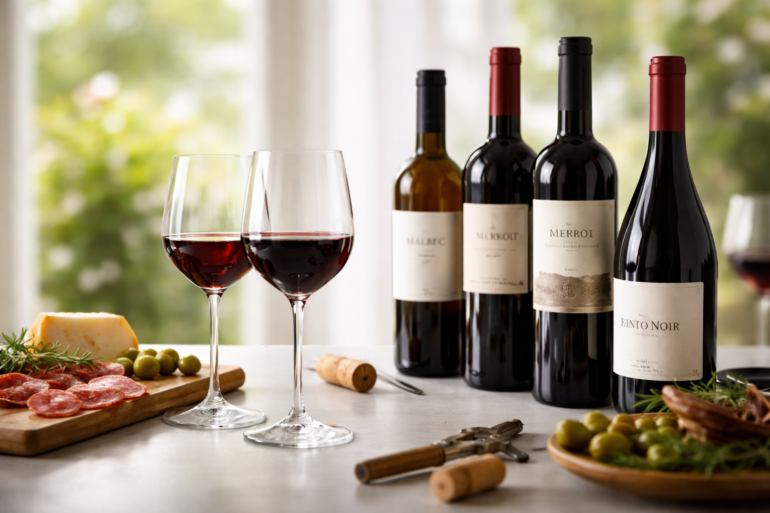
Dry Red Wines remain one of the easiest ways to enjoy wine with confidence, whether you are shopping on a budget or looking for something more elevated. The category is broad, which is part of the appeal. You can find a bottle that feels fresh and easy on a weeknight, or one that brings real depth and structure to a dinner party without having to guess what you are getting.
If you have ever asked, What Is Dry Red Wine, the answer is simpler than it sounds. A dry red wine is a red wine with little to no noticeable residual sugar, so it does not taste sweet. That does not mean it tastes harsh or thin. In fact, many dry red wine styles feel smooth, juicy, fruity, or velvety, even though they are technically dry. Wine educators such as WSET note that most wines are dry, with very low residual sugar, while the sensation of dryness in red wine is also shaped by tannins, acidity, and overall structure.
The good news is that you do not need an expert palate or a huge budget to find a bottle you will enjoy. Some of the best affordable dry bottles offer more personality than people expect, while premium labels often deliver extra detail, longer finish, and better balance rather than simply a higher price tag. Once you understand a few core styles, shopping for Dry Red Wines gets much easier.
What Is Dry Red Wine and Why Does It Matter?
A lot of people hear the word “dry” and imagine a wine that feels sharp, dusty, or overly serious. In reality, dryness refers mostly to sweetness, not body or quality. A wine can be dry and still taste lush with blackberry, cherry, plum, cocoa, pepper, or vanilla notes.
That is why two bottles can both be dry and feel completely different in the glass. One may be light, bright, and refreshing, while another may be full-bodied, dark, and powerful. The difference comes from the grape variety, climate, winemaking choices, and how tannins and acidity show up in the finished wine.
Tannins deserve special attention here because they shape the mouthfeel of many red wines. They come mainly from grape skins, seeds, stems, and sometimes oak, and they create that slightly gripping sensation people often describe as dry. That texture is one reason a Cabernet Sauvignon feels different from a soft Merlot or a silky Pinot Noir.
For buyers, understanding dryness matters because it helps separate sweetness from fruitiness. A wine can smell like ripe berries and still be completely dry. Once you know that, labels and tasting notes start making much more sense.
Why Dry Red Wines Stay So Popular
There is a practical reason these wines keep showing up at dinner tables, restaurants, and gift exchanges. They work across a wide range of situations. A dry red wine can pair with grilled meat, roast chicken, pizza, burgers, pasta with tomato sauce, hard cheeses, and even some vegetarian dishes when the flavors are rich enough.
They also offer a broad spectrum of styles. People who like softer wines can lean toward Merlot or Garnacha. Those who prefer structure and boldness often move toward Cabernet Sauvignon, Syrah, or Malbec. Pinot Noir appeals to drinkers who want elegance without too much heaviness. Because the category is so flexible, Dry Red Wines can fit both casual drinking and more serious collecting.
There is also a value advantage. You do not always need a luxury label to drink well. Many regions now produce expressive, reliable wines at approachable prices, and that has made dry red styles more accessible than ever. The global wine market has faced lower production volumes and firmer average prices in recent years, which makes smart value shopping even more important for everyday buyers.
Affordable Dry Red Wines Worth Buying
Affordable does not have to mean basic. In fact, some of the most satisfying wines on the shelf live in the lower to mid price range because they are made for real-world drinking. These are the bottles you open on a Wednesday night, bring to a friend’s house, or keep around for casual dinners.
Here are the styles that often overdeliver for the money:
1. Malbec
Malbec is a dependable choice when you want dark fruit, a rounded texture, and enough body to stand up to hearty food. Many affordable versions show plum, blackberry, cocoa, and a touch of spice. It feels generous without always being expensive, which is why it remains a favorite entry point into Dry Red Wines.
2. Merlot
Merlot gets underestimated, but a good bottle can be one of the easiest wines to enjoy. It usually offers ripe black fruit, softer tannins, and a smooth finish. For anyone who thinks dry red wine sounds too aggressive, Merlot is often a very friendly place to start.
3. Garnacha or Grenache
This style tends to be lively, fruit-forward, and easy to like. It usually brings red berry character with subtle spice and moderate tannins. It works well when you want something flexible for pizza, grilled foods, or relaxed weekend meals.
4. Tempranillo
Tempranillo often brings a balanced profile with red fruit, earth, herbs, and sometimes leather or oak depending on how it is made. It can taste more polished than its price suggests, especially when paired with savory dishes.
5. Montepulciano and Similar Italian Values
Many Italian reds deliver fantastic value because they are built for the table. They tend to have enough acidity to stay fresh with food and enough fruit to stay enjoyable on their own. This makes them ideal for pasta night, tomato sauces, and baked dishes.
A useful rule is to buy affordable wines by style and region rather than by prestige alone. If you know you enjoy softer tannins, go with Merlot or a fruit-forward Garnacha. If you want more grip and structure, look toward Malbec or Tempranillo.
Premium Dry Red Wines That Feel Worth the Upgrade
Premium wine should give you more than a heavier bottle or a more dramatic label. The best premium options show clearer fruit definition, better balance, more layered aroma, and a finish that lasts longer. They often feel less blunt and more complete.
When people step up from affordable options, these styles usually stand out:
Cabernet Sauvignon
Cabernet Sauvignon is often the benchmark for powerful dry reds. In premium bottles, the fruit tends to feel more focused, the tannins more refined, and the oak better integrated. You may notice blackcurrant, cedar, graphite, mint, or tobacco notes depending on origin and age. It is a classic choice for steak dinners and special occasions.
Pinot Noir
Pinot Noir is a different kind of luxury. It is not about size. It is about detail. A premium Pinot Noir can show red cherry, cranberry, rose, forest floor, and spice with remarkable finesse. It appeals to drinkers who want subtlety rather than sheer force.
Syrah or Shiraz
Premium Syrah can be intensely satisfying, especially for people who enjoy dark fruit, black pepper, smoked meat notes, and a more savory profile. It often feels bold but not clumsy when well made. This is a style with presence.
Nebbiolo
Nebbiolo is not always the first premium red casual buyers reach for, but it can be unforgettable. It is known for firm tannins, bright acidity, and aromas that can include cherry, rose, tar, and dried herbs. It asks for a little patience, yet it rewards people who like more complex and age-worthy Dry Red Wines.
Fine Bordeaux or Bordeaux-Style Blends
These wines often combine grapes such as Cabernet Sauvignon and Merlot to create structure, polish, and balance. A strong bottle can bring layers of fruit, spice, cedar, and earth without feeling overdone. Premium blends are often where value and prestige meet most successfully.
Affordable vs Premium: What You Are Really Paying For
People often assume price tells the whole story, but that is rarely true in wine. Cost can reflect reputation, land prices, oak aging, production scale, vineyard work, and brand demand. It does not always guarantee that you personally will enjoy the wine more.
Still, premium wines often justify their higher price in specific ways:
| Feature | Affordable Bottles | Premium Bottles |
|---|---|---|
| Flavor profile | Direct and easy to read | More layered and nuanced |
| Tannins | Sometimes rougher or simpler | More polished and integrated |
| Finish | Short to moderate | Longer and more persistent |
| Oak influence | Often lighter or more obvious | Usually better balanced |
| Food pairing range | Great for casual meals | Stronger for elevated dining |
| Aging potential | Best consumed sooner | Often improves with time |
This is why the smartest buyer does not ask only, “What costs more?” A better question is, “What experience do I want tonight?” For pizza and a movie, an honest affordable bottle can be perfect. For a celebration dinner, a premium red may give you the extra complexity that makes the moment feel special.
How to Choose the Right Bottle for Your Taste
Choosing well starts with knowing what kind of texture and flavor you like.
If you enjoy smooth, soft, and approachable wines, start with Merlot, fruit-forward Malbec, or a mellow Garnacha. These usually feel generous without too much tannic grip.
If you prefer bold and structured reds, Cabernet Sauvignon, Syrah, and some Tempranillo-based wines often work well. They bring more weight, more savory depth, and a stronger finish.
If you lean toward elegant and lighter-bodied styles, Pinot Noir is the classic answer. It stays dry but often feels more delicate and aromatic.
If food pairing matters most, acidity and tannin become especially important. Wine pairing educators often note that tannic reds pair well with fatty foods, while matching the intensity of the wine to the intensity of the dish gives better results. That is why a rich red works with grilled steak, while lighter reds often feel better with roast chicken, mushroom dishes, or salmon preparations.
Best Food Pairings for Dry Red Wines
Dry reds become much easier to understand once food enters the picture. A wine that seems too firm on its own can feel balanced and generous at the table.
Here are some reliable pairings:
- Cabernet Sauvignon with steak, burgers, aged cheddar, or lamb
- Merlot with roast chicken, meatloaf, mushroom pasta, or soft cheeses
- Malbec with grilled meats, barbecue, empanadas, or smoky vegetables
- Pinot Noir with salmon, duck, mushrooms, and earthy vegetarian dishes
- Syrah with sausages, roast beef, black pepper dishes, or grilled eggplant
- Tempranillo with tapas, roast pork, grilled vegetables, or tomato-based meals
The sauce often matters more than the protein. A light chicken dish in cream sauce may need a different wine than grilled chicken with char and herbs. That small shift can completely change the pairing.
Common Mistakes People Make with Dry Red Wine
One of the biggest mistakes is serving the wine too warm. Many red wines taste flatter and more alcoholic when they are overly warm. Slightly cool room temperature usually works better than a hot kitchen counter.
Another mistake is expecting all dry reds to taste the same. The term tells you about sweetness, not personality. A jammy, rich Shiraz and a lifted, earthy Pinot Noir can both be dry and still feel like they belong in different worlds.
People also overspend before they know their preferences. It makes more sense to taste across styles first. Once you learn whether you like soft fruit, firm tannins, herbal notes, or oak spice, your money goes much further.
Real-World Buying Strategy for Everyday Shoppers
A practical way to shop is to think in three lanes: everyday bottle, dinner bottle, and occasion bottle.
Your everyday bottle should be affordable, versatile, and low stress. This is where value-focused Merlot, Malbec, Montepulciano, or Garnacha often shine.
Your dinner bottle can sit in the middle. It should have a little more polish and better structure, especially if food is the focus. Tempranillo, a stronger Pinot Noir, or a solid Cabernet blend often fits here.
Your occasion bottle is where premium choices make sense. A refined Cabernet Sauvignon, elegant Pinot Noir, or serious Syrah brings more texture, aroma, and length. You may not open it often, but when you do, the difference feels intentional.
This approach is useful because it turns wine buying into a repeatable habit instead of a random shelf gamble.
Final Thoughts on Dry Red Wines
The appeal of Dry Red Wines comes down to flexibility, character, and range. You can find a bottle that is easy, affordable, and weeknight friendly, or one that feels polished enough for a memorable dinner. That variety is what keeps the category interesting.
Understanding What Is Dry Red Wine helps remove a lot of confusion. Dry does not mean boring, severe, or joyless. It simply means the wine is not noticeably sweet. From there, the real differences come from grape type, tannin, acidity, body, and style.
The best affordable bottles give you confidence and consistency. The best premium bottles give you refinement and depth. Both have a place at the table. In the end, the smartest choice is the one that matches your taste, your meal, and the kind of experience you want from the glass. If you are curious about classic wine regions and how they shape style, learning a little geography can make every bottle easier to understand.
Dry Red Wines reward curiosity because they are never just one thing. They can be bold or delicate, rustic or polished, simple or layered. That is exactly why they remain one of the most enjoyable categories in modern wine.