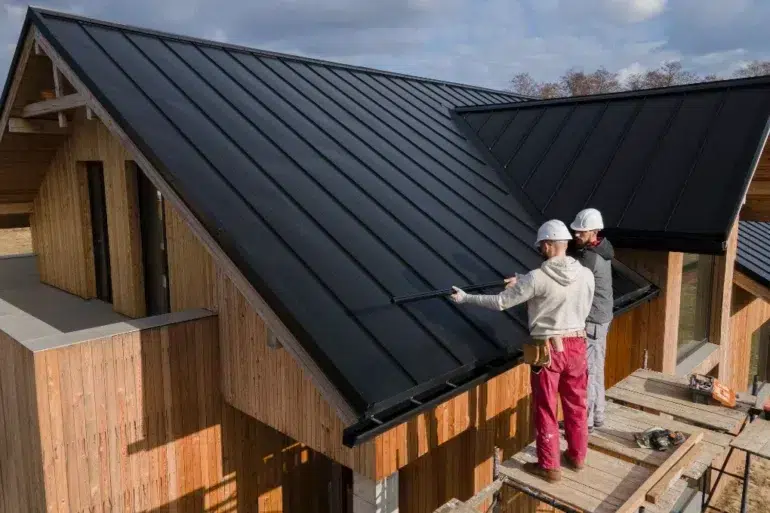
Homeownership comes with a long list of responsibilities, but few decisions carry as much long-term impact as what sits above your head. Your roof is one of the most hardworking components of your home, quietly regulating temperature, repelling moisture, and protecting everything beneath it year after year. When the time comes to invest in that structure, understanding the full scope of benefits can help homeowners make confident, informed decisions that pay dividends for decades to come.
The Connection Between Roofing and Home Energy Performance
Most homeowners think of their roof primarily as a weatherproofing barrier, but its role in energy efficiency is equally significant. A well-installed, modern roofing system acts as a thermal envelope, helping to maintain comfortable indoor temperatures without overworking your heating and cooling systems. Older roofs, particularly those with deteriorating insulation or outdated materials, can allow significant heat transfer, driving up utility bills throughout every season.
Today’s roofing materials are engineered with energy performance in mind. Reflective shingles, cool-roof coatings, and improved underlayment systems all contribute to reducing the amount of solar heat absorbed into the home. As ENERGY STAR notes, energy-efficient roofing products can meaningfully reduce peak cooling demand, which translates directly into lower electricity costs and a reduced carbon footprint. For homeowners in warmer climates especially, choosing the right materials during a roofing project can produce measurable savings from the very first billing cycle.
Recognizing the Right Time for a Roofing Investment
One of the most common mistakes homeowners make is waiting too long to address roofing issues. What begins as a minor leak or a few missing shingles can escalate into widespread water damage, mold growth, and compromised structural integrity if left unaddressed. The cost of reactive repairs almost always exceeds the cost of proactive investment, particularly when interior damage to ceilings, insulation, and framing is factored in.
There are several reliable indicators that a home is due for attention. Shingles that are curling, cracking, or losing granules signal advanced wear. Daylight visible through the attic, persistent moisture stains on interior ceilings, or sagging sections of the roofline are more urgent warning signs. A professional inspection can clarify whether targeted repairs will suffice or whether a full roof replacement represents the more cost-effective path forward. In many cases, a complete replacement provides far greater value than repeated patchwork on an aging system.
Material Choices and Their Long-Term Benefits
The roofing industry has evolved considerably over the past two decades, offering homeowners a broader range of materials than ever before. Each option carries its own combination of durability, aesthetics, and performance characteristics, making material selection one of the most consequential parts of any roofing project.
Asphalt shingles remain the most widely used roofing material in North America, valued for their balance of affordability and performance. Architectural shingles, a premium variation, offer enhanced dimensional appearance and longer warranties than traditional three-tab options. Metal roofing has surged in popularity due to its exceptional longevity, often lasting 40 to 70 years with minimal maintenance, along with its strong resistance to wind, fire, and impact. For homeowners drawn to a more natural aesthetic, slate and clay tile options offer timeless appeal and outstanding durability, though they require reinforced structural support due to their weight.
Beyond the primary material, underlayment quality, ventilation design, and flashing installation all play critical roles in how a roofing system performs over time. A high-quality installation that addresses all of these components will consistently outperform a cheaper job using premium materials but poor workmanship.
The Impact on Home Value and Curb Appeal
From a real estate perspective, the condition and quality of a home’s roof is one of the first things prospective buyers and appraisers evaluate. A deteriorating roof is a significant red flag that can derail a sale, prompt price reductions, or complicate financing approvals. Conversely, a recently updated roofing system signals to buyers that the home has been well maintained, reducing their perceived risk and increasing their willingness to pay a competitive price.
The aesthetic dimension should not be overlooked either. A new roof dramatically refreshes a home’s exterior appearance, complementing updated siding, windows, and landscaping. Color and style choices that harmonize with the home’s architectural character can elevate curb appeal in ways that photographs and in-person viewings both capture effectively. In competitive real estate markets, this kind of visual first impression carries genuine weight.
Industry research consistently shows that roofing upgrades rank among the highest return-on-investment home improvement projects. While exact figures vary by region and market conditions, homeowners frequently recover a substantial portion of their roofing investment in the form of increased resale value, making it one of the smarter financial decisions available to property owners.
Choosing the Right Contractor for the Job
The quality of any roofing project is only as good as the team executing it. Selecting a qualified, reputable contractor is as important as choosing the right materials. Homeowners should look for contractors who are licensed and insured in their state, carry manufacturer certifications for the products they install, and can provide verifiable references from recent local projects.
A trustworthy contractor will conduct a thorough inspection before providing a written estimate, explain their recommended scope of work clearly, and outline the warranty coverage included with both materials and labor. They should also be transparent about project timelines, cleanup practices, and how they handle unexpected discoveries such as damaged decking beneath old shingles.
Getting multiple quotes is always advisable, though the lowest bid should not automatically win the job. The difference in price between contractors often reflects differences in material quality, crew experience, and the thoroughness of the installation process. Investing a modest amount more upfront with a reputable professional can prevent costly problems years down the line.
A home’s roof is far more than a functional necessity. It is a long-term investment in comfort, efficiency, safety, and financial value. Whether a homeowner is responding to visible deterioration or planning ahead for future resale, approaching a roofing project with the right knowledge and the right professional partner ensures that the outcome serves the home well for generations. Taking the time to understand the options, evaluate the timing, and select a qualified contractor transforms what might feel like an overwhelming expense into one of the most rewarding improvements a property owner can make.