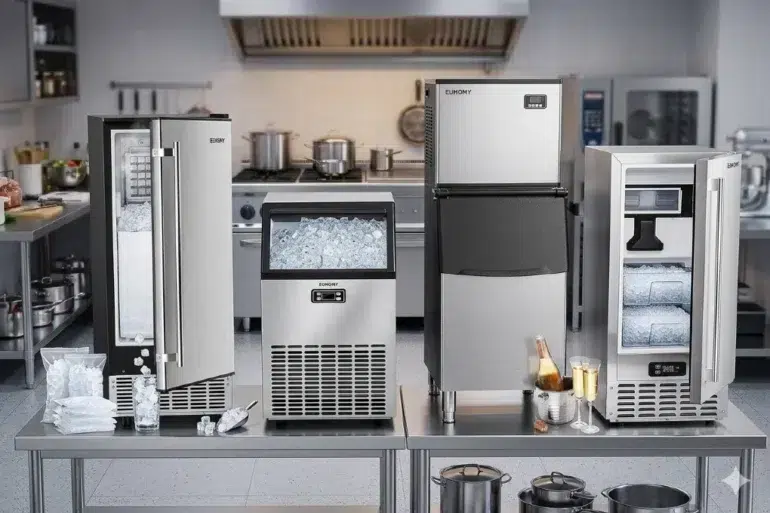
Picture a perfectly crafted iced latte arriving at a customer’s table—the glass glistening with crystal-clear cubes, the espresso slowly cascading through layers of cold milk, every detail signaling quality before the first sip is taken. In a cafe, beverages are as much a visual experience as a flavor one, and ice plays a starring role that most operators underestimate. Yet many cafes quietly struggle with a persistent problem: their ice is cloudy, melts too quickly, or comes out in inconsistent shapes that cheapen an otherwise premium drink. Fast-melting ice waters down carefully balanced recipes, while poorly formed cubes disrupt workflow during peak hours and waste valuable storage space. These issues chip away at both customer satisfaction and the bottom line. This guide is designed to help cafe managers cut through the complexity of choosing a commercial ice maker by focusing on what matters most—drink presentation, ice quality, and storage efficiency. We’ll walk through the types of ice makers and ice forms available, the key features worth evaluating, smart storage practices, and a practical step-by-step selection process so you can invest with confidence.
The Foundational Role of Ice in Cafe Success
Ice does far more than chill a drink—it shapes how customers experience every sip and how they judge your cafe as a whole. When ice melts too quickly, it dilutes carefully crafted flavor profiles, turning a bold cold brew into a watery disappointment within minutes. Slow-melting, dense ice preserves the intended taste balance from the first sip to the last, which directly affects whether a customer orders that same drink again. Visually, clear and uniformly shaped ice elevates a beverage from ordinary to Instagram-worthy, and in a market where customers photograph their drinks before tasting them, that distinction carries real revenue implications. Cloudy, misshapen ice signals carelessness, even if the coffee itself is exceptional. Beyond perception, unreliable ice production creates operational bottlenecks—baristas scrambling during a lunch rush because the bin is running low, or wasting time chipping apart clumped pieces. These disruptions slow service, frustrate staff, and cost money in lost sales. The ice maker isn’t a background utility; it’s a core piece of cafe infrastructure that touches product quality, brand image, and daily workflow. Treating it as such changes how you approach the purchase decision entirely.
Understanding Commercial Ice Maker Types and Ice Forms
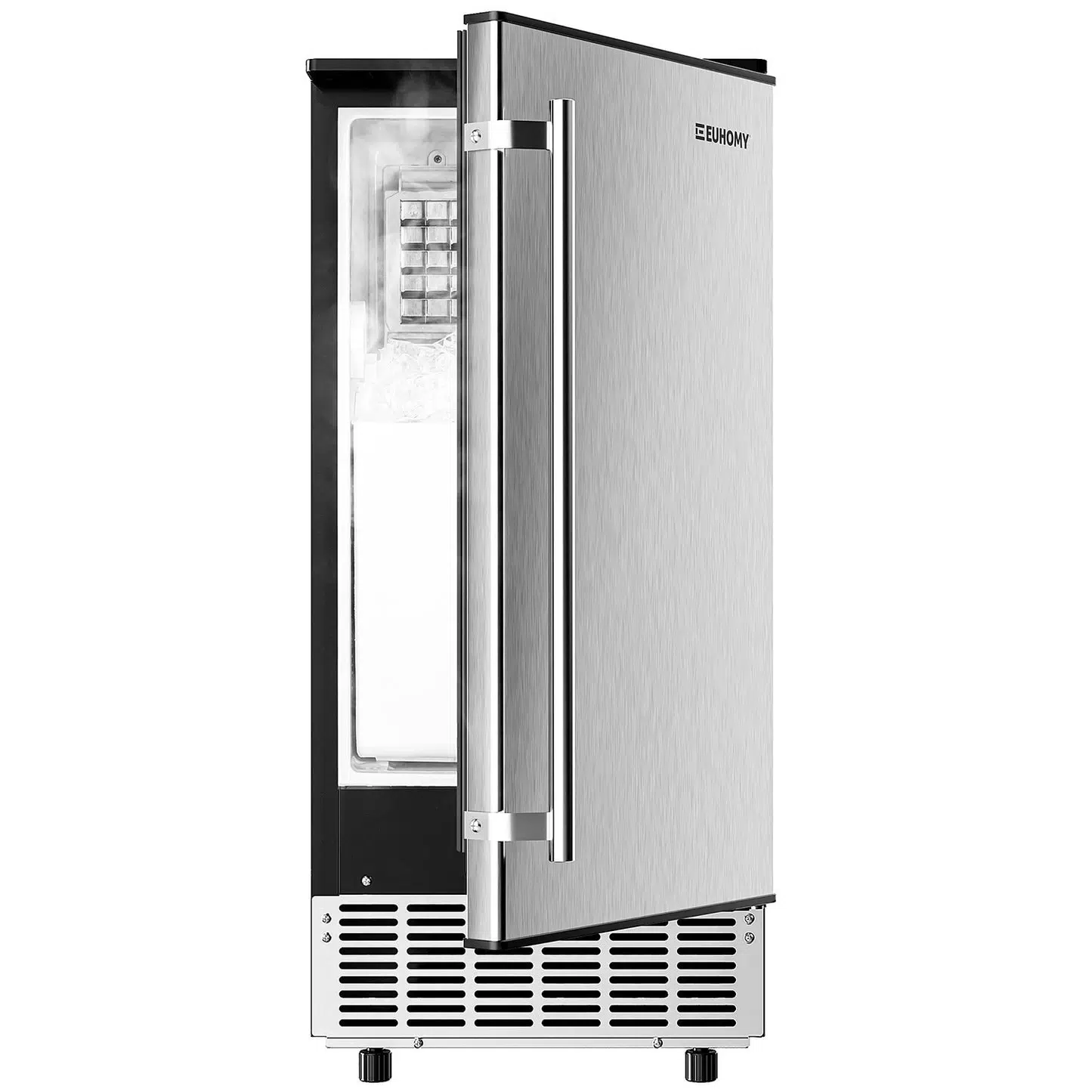
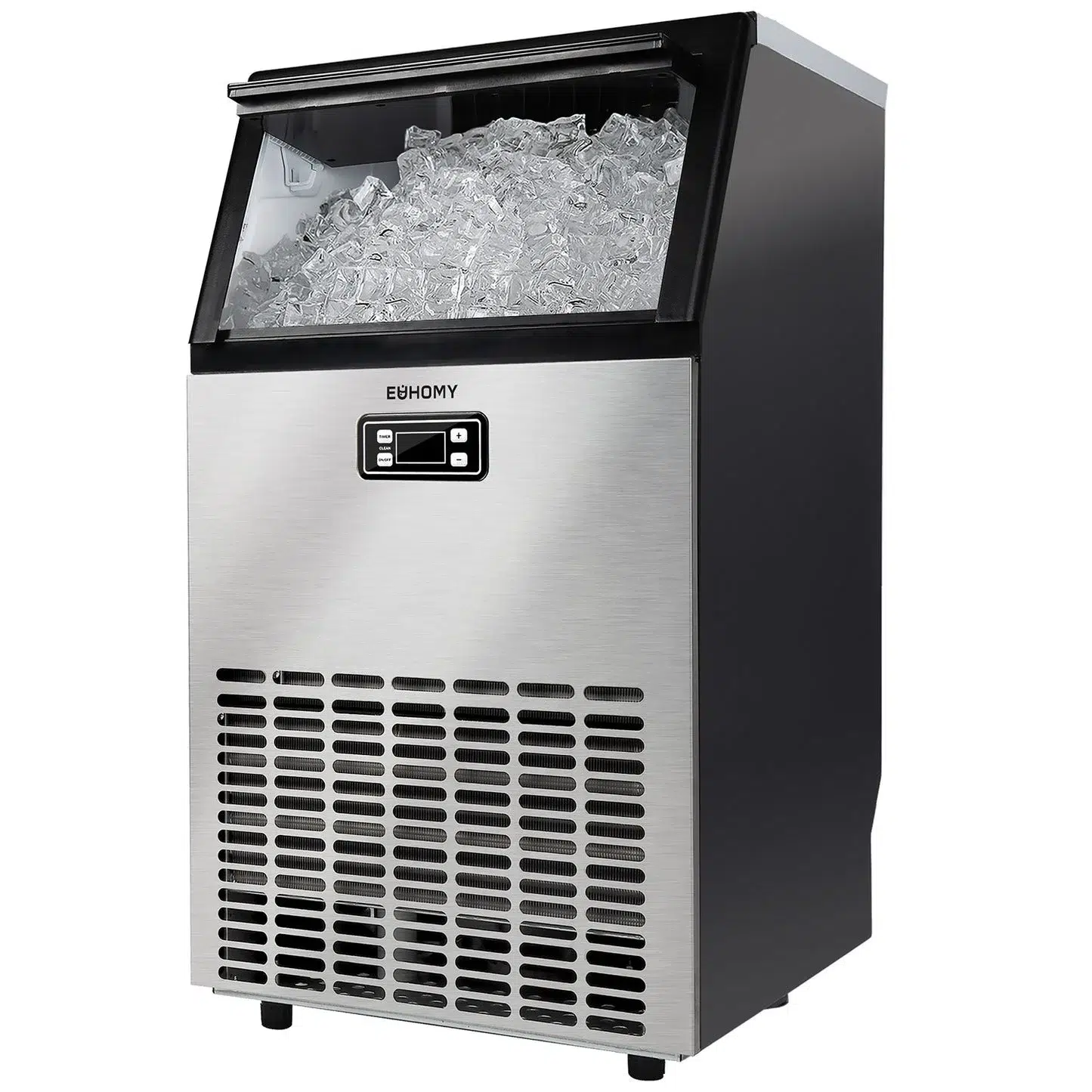
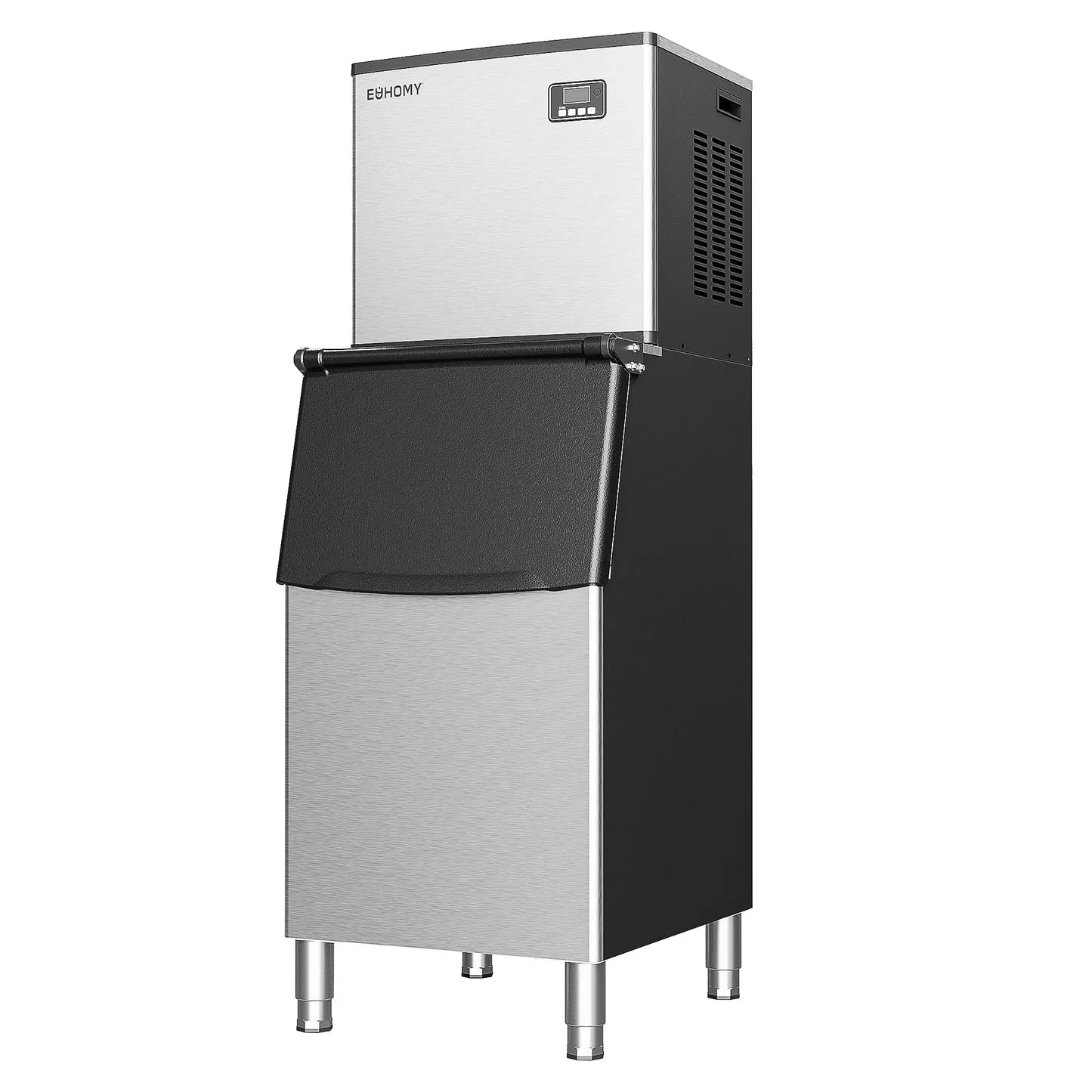
Commercial ice makers generally fall into two categories based on size and configuration. Modular units sit on top of a separate storage bin and produce high volumes of ice, making them suitable for cafes with heavy demand or multiple beverage stations. Undercounter models combine the ice-making mechanism and storage bin in a single compact unit that fits beneath a prep counter, ideal for smaller cafes where floor space is limited. Within these configurations, the two primary production styles are cubers and flakers. Cubers freeze water in individual molds to create defined shapes—full cubes, half cubes, or crescent shapes—while flakers shave ice into soft, irregular pieces suited for blended drinks or food displays. Nugget ice, sometimes called chewable ice, falls between the two: it compresses flaked ice into small, porous cylinders that absorb flavor and are popular in specialty cold beverages.
Choosing Ice for Optimal Drink Presentation
For cafe managers focused on drink aesthetics, ice form matters as much as the coffee itself. Full cubes deliver the most polished, professional look—they’re dense, melt slowly, and sit cleanly in a glass without crowding the pour. Their clarity is a direct result of how the freezing process handles impurities; machines that circulate water over the freezing plate push out minerals and air bubbles, producing transparent ice rather than the cloudy white cubes made by static freezing methods. Half cubes work well when you want drinks to appear generously iced without using as much volume, and they cool beverages faster due to increased surface area. Nugget ice is a strong choice for blended iced coffees, lemonades, and soft drinks because it chills quickly and has a satisfying texture customers enjoy chewing. Flake ice, while less visually striking in a glass, excels in smoothie preparation and behind-the-counter applications where rapid cooling outweighs presentation. Matching the right ice form to your core menu items ensures every drink looks intentional, stays properly chilled, and reinforces the quality your cafe promises.
Key Features to Evaluate in a Cafe Ice Machine
Once you’ve settled on the right ice type, the technical specifications of the machine itself determine whether it keeps up with your cafe’s demands or becomes a daily frustration. Start with daily production capacity, measured in pounds per 24 hours. A cafe serving 200 customers a day with a menu heavy on iced drinks will need significantly more output than a small espresso-focused shop, so map your expected ice consumption against the machine’s rated capacity and build in a buffer of at least 20 percent for busy days and seasonal spikes. Storage bin size matters just as much—production means nothing if the bin fills up and the machine shuts off mid-rush, so choose a bin that can hold enough ice to carry you through your peak two-to-three-hour window without relying on continuous production alone. Harvest rate, or how quickly a batch cycles from water to finished ice, affects how fast the machine recovers when demand surges. Energy efficiency ratings directly impact your monthly utility costs; look for units that meet ENERGY STAR standards, as they use considerably less water and electricity over their lifespan. A built-in or compatible water filtration system is essential for producing clear, great-tasting ice by removing sediment, chlorine, and mineral deposits before they reach the freezing mechanism. Finally, evaluate build quality and ease of maintenance—removable components for cleaning, accessible condensers, and a solid manufacturer warranty signal a machine designed for the demands of a busy cafe environment rather than light residential use.
Efficient Ice Storage and Handling Solutions
Even the best ice maker becomes a liability if the ice it produces is poorly stored or mishandled before it reaches a customer’s glass. Insulation quality in your storage bin is the first line of defense against meltage—a well-insulated bin retains ice for hours without requiring additional energy, while a poorly insulated one turns your production capacity into a constant game of catch-up as cubes shrink and fuse together. Look for bins with thick polyurethane foam insulation and tight-sealing doors that minimize warm air infiltration, especially in kitchens where ambient temperatures run high near espresso machines and ovens. Hygiene is equally non-negotiable. Ice is a food product, and contamination from dirty scoops, unwashed hands, or neglected bin interiors poses a real health risk. Establish a routine where bins are drained, sanitized, and dried at least once a week, and require staff to use dedicated plastic scoops—never glassware or bare hands—to retrieve ice. Mount the scoop holder on the outside of the bin to prevent it from sitting inside where bacteria can transfer. Workflow placement deserves careful thought as well. Position your ice maker and bin within arm’s reach of your primary drink preparation station so baristas can grab ice without breaking their rhythm during a rush. A few extra steps between the espresso bar and the ice supply might seem trivial, but multiplied across hundreds of drinks per day, that distance translates into measurable time loss and slower service.
A Step-by-Step Guide to Selecting Your Cafe’s Ice Maker
With a clear understanding of ice types, machine features, and storage needs, you can now work through the selection process methodically. First, assess your peak demand by calculating how much ice your cafe actually consumes during its busiest hours. Count the number of iced drinks you sell on a typical high-traffic day, estimate the ice volume per drink—usually six to ten ounces—and multiply to get a daily baseline, then add that 20 percent buffer for weekends and warm-weather surges. Second, prioritize your ice type based on your core menu. If iced lattes and cold brews dominate your sales, full or half cubes should be your default; if blended frappes and smoothies drive revenue, nugget or flake ice deserves priority. Third, measure your available space carefully. Determine whether you have room for a modular unit with a separate bin or need an undercounter model, and account for required clearance around condensers for proper airflow. Fourth, set a realistic budget that factors in not just the purchase price but also installation costs, plumbing modifications, water filtration add-ons, and projected energy and water expenses over the first three years. Fifth, research and compare models by reading reviews from other foodservice operators, checking rated production against independent testing results, and confirming that local service technicians can support the brand you’re considering. Sixth, plan for ongoing storage and maintenance before the machine arrives—schedule weekly bin sanitation, order replacement water filters in advance, and assign a staff member to own the cleaning routine so it never falls through the cracks.
Considering Specific Brands: Evaluating Real-World Performance
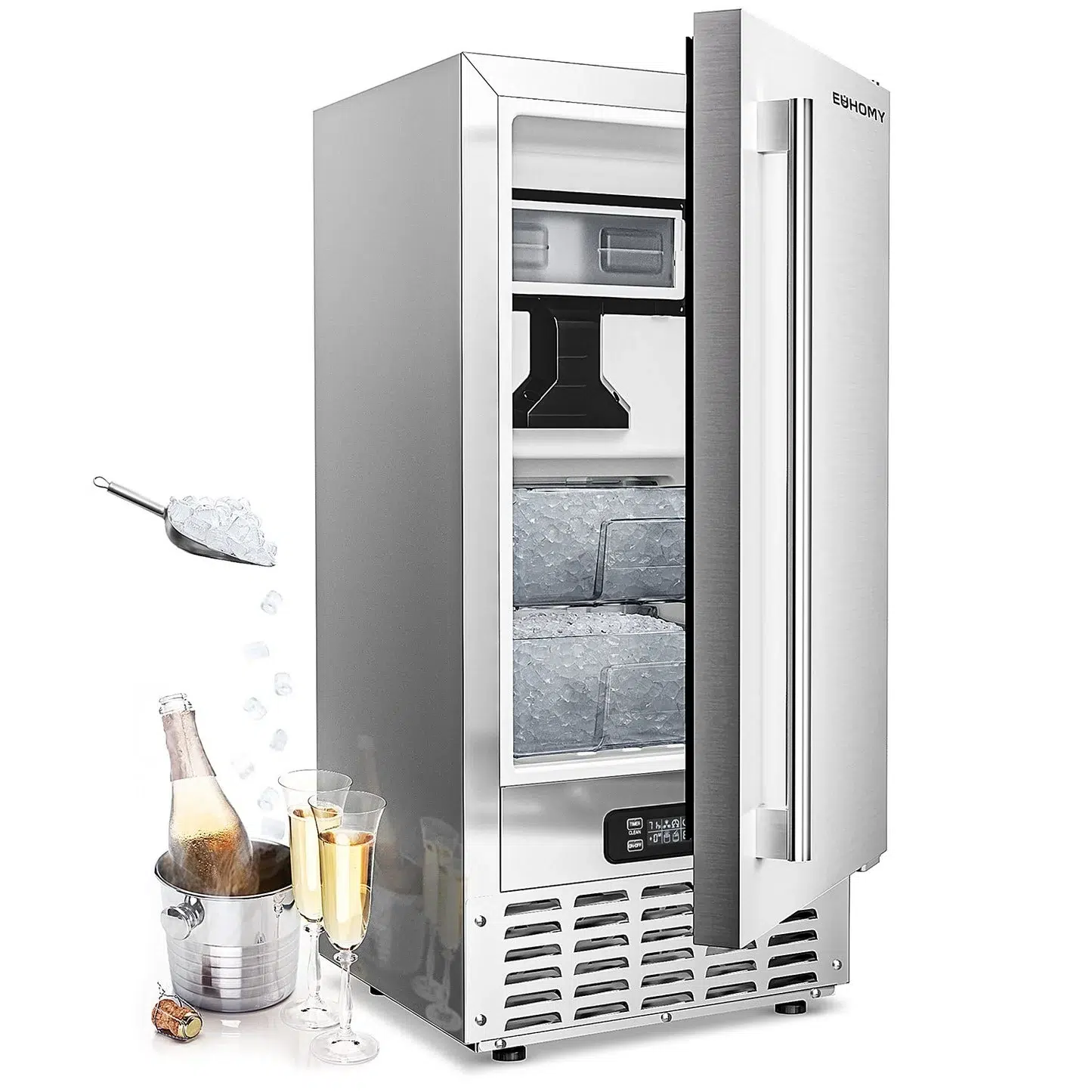
When you’ve narrowed down the type, capacity, and features you need, the final step is evaluating which brand deserves your investment—and this is where many cafe managers rush the process. Brand evaluation requires more than scanning a spec sheet. You need to investigate how a machine performs under real commercial conditions, not just in a manufacturer’s test lab. Euhomy ice machines, for example, have gained traction among small-to-medium cafe operators looking for compact, reliable units that fit tight spaces without sacrificing output consistency. Researching a brand like Euhomy means digging into how their models handle continuous daily cycling, whether replacement parts and local service technicians are readily accessible, and what other foodservice operators report after months of actual use rather than just initial impressions. This same due diligence applies to every brand on your shortlist. Check independent review platforms and cafe owner forums for candid feedback on noise levels, ice clarity, defrost reliability, and how responsive the manufacturer is when warranty claims arise. A machine that looks ideal on paper can become a costly headache if the company behind it lacks a strong service network in your area. Treat brand selection as a long-term partnership—your ice maker will run thousands of cycles before it’s replaced, and the company standing behind it matters as much as the hardware itself.
Making the Right Ice Maker Investment for Your Cafe
Selecting the right commercial ice maker for your cafe comes down to a handful of decisions that ripple across every drink you serve. Match your ice form to your menu—full cubes for clean, slow-melting presentation in iced lattes and cold brews, nugget or flake ice for blended and specialty drinks where texture and rapid chilling matter most. Ensure your machine’s daily production capacity and storage bin size can handle peak-hour demand with room to spare, because running out of ice during a Saturday afternoon rush is a problem no barista can solve on the fly. Prioritize machines with strong water filtration, energy-efficient operation, and accessible components that make weekly cleaning realistic rather than aspirational. Never overlook storage hygiene—ice is food, and treating it otherwise puts your customers and your reputation at risk. Use the step-by-step framework outlined here to move from guesswork to a structured, confident purchasing decision. The right ice maker won’t just keep drinks cold; it will sharpen your presentation, streamline your workflow, and quietly reinforce the quality your customers expect every time they sit down with a glass in hand. That’s an investment worth making deliberately.