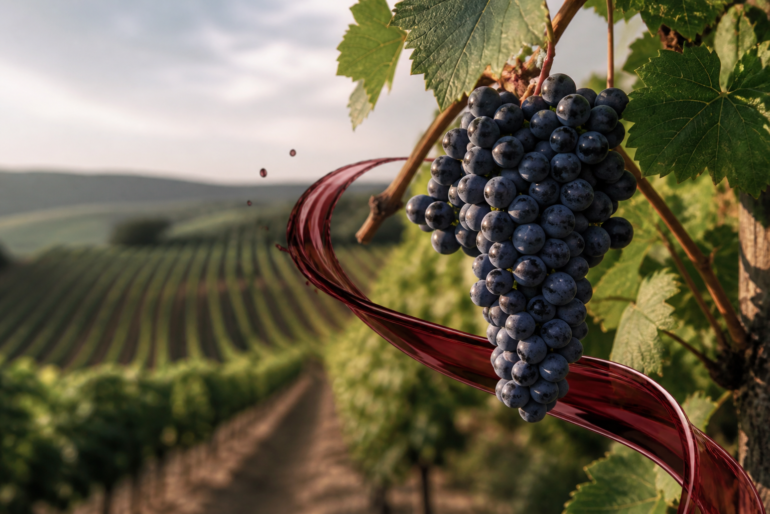
Grape Cabernet is one of those search terms that sounds simple at first, but it opens the door to a much bigger story. Many people type it into Google because they want to understand Cabernet grapes, Cabernet Sauvignon, flavor notes, wine uses, growing regions, or even what makes this grape so famous.
The phrase usually points toward Cabernet Sauvignon, one of the best-known red wine grapes in the world. It is strongly linked with bold red wines, deep color, firm tannins, and flavors that can feel rich, dark, and layered.
But there is more to it than wine labels and tasting notes. Grape Cabernet has a history, a personality, and a reason people keep searching for it.
What Does Grape Cabernet Mean?
Grape Cabernet commonly refers to the Cabernet family of wine grapes, especially Cabernet Sauvignon. It can also relate to Cabernet Franc, one of the parent grapes of Cabernet Sauvignon.
In everyday search behavior, though, most people who type Grape Cabernet are trying to learn about the grape behind Cabernet wine. They may want to know how it tastes, where it comes from, whether it is sweet or dry, and why it is so popular.
Cabernet Sauvignon is known for producing wines with strong structure. That means it often has noticeable tannins, balanced acidity, and enough body to age well. Wine Folly describes Cabernet Sauvignon as a full-bodied red wine grape with common flavors such as black cherry, black currant, cedar, baking spices, and graphite.
For a beginner, that may sound a little technical. A simpler way to say it is this: Cabernet usually tastes bold, dark, and serious compared with lighter red grapes.
The Origins of Grape Cabernet
The story of Grape Cabernet is closely tied to France, especially Bordeaux. Cabernet Sauvignon is believed to have appeared in the 17th century as a natural crossing between Cabernet Franc and Sauvignon Blanc. DNA research helped confirm this parentage, turning what was once wine-world guesswork into a clearer origin story.
This is one reason Cabernet Sauvignon is so interesting. It carries traits from both parents.
Cabernet Franc brings red fruit, structure, and herbal notes. Sauvignon Blanc, although a white grape, contributes freshness and certain green or grassy aromas. Together, they created a red grape with power, depth, and surprising adaptability.
Bordeaux gave Cabernet its early fame. From there, it traveled across the world and became widely planted in regions such as California, Australia, Chile, South Africa, Italy, and Spain. Today, it is one of the most recognized red grape varieties in global wine culture.
Why Grape Cabernet Became So Popular
Grape Cabernet did not become famous by accident. It has several qualities that helped it spread across wine regions.
First, Cabernet grapes have thick skins. That matters because thick skins add color, tannin, and structure to wine. They also help the grapes handle vineyard conditions better than some delicate varieties.
Second, Cabernet wines often age well. The combination of tannin and acidity can help the wine develop more complex flavors over time. Fresh fruit notes may turn into deeper flavors like tobacco, leather, cedar, or dried herbs.
Third, Cabernet works well as both a single-variety wine and a blending grape. In Bordeaux-style blends, it is often mixed with Merlot, Cabernet Franc, Petit Verdot, or Malbec. Each grape adds something different.
For example, Merlot can soften Cabernet’s firm tannins. Cabernet Franc may add aroma and freshness. Petit Verdot can add color and intensity.
This flexibility made Cabernet useful for winemakers and appealing for drinkers.
What Does Grape Cabernet Taste Like?
The taste of Grape Cabernet depends on where it grows, how ripe it gets, and how the wine is made. Still, there are some common flavor notes people often associate with Cabernet wines.
Common flavors include:
- Blackcurrant
- Blackberry
- Black cherry
- Plum
- Cedar
- Tobacco
- Graphite
- Green bell pepper
- Mint
- Dark chocolate
- Baking spice
Cooler climates may bring more herbal notes, such as green pepper or mint. Warmer climates usually create riper fruit flavors like black cherry, jammy plum, or cassis.
Cabernet Sauvignon is often described as dry rather than sweet. That means most of the grape sugar has been converted into alcohol during fermentation. The fruit flavors can feel rich, but that does not always mean the wine contains sweetness.
A simple example helps.
A ripe blackberry tastes fruity, but not like candy. Many Cabernet wines feel the same way. They may taste fruit-driven, but still finish dry.
Is Grape Cabernet Sweet or Dry?
Most wines made from Grape Cabernet are dry. This is one of the biggest questions beginners ask because dark fruit flavors can sometimes be mistaken for sweetness.
Cabernet Sauvignon usually has bold fruit flavor, but the wine itself is not usually sugary. Instead, the dry feeling comes from fermentation and tannins.
Tannins create a slightly drying sensation in the mouth. You may feel it on your gums or tongue after sipping a strong red wine. That texture is one reason Cabernet pairs so well with rich food.
Some affordable commercial Cabernet wines may taste softer, fruitier, or slightly sweeter depending on the winemaking style. But traditionally, Cabernet is considered a dry red wine grape.
Grape Cabernet and Tannins
Tannins are one of the most important parts of understanding Grape Cabernet. They come from grape skins, seeds, stems, and oak aging.
Since Cabernet grapes have thick skins, they naturally produce wines with strong tannins. This gives Cabernet its firm structure.
For new wine drinkers, tannin can feel bitter or dry at first. But when balanced well, tannin gives Cabernet its strength and long finish.
Think of tannin as the frame of a house. Fruit flavors are the decoration, but tannin holds the structure together.
This is why Cabernet can taste more serious than lighter red wines like Pinot Noir. It has more grip, more weight, and often more aging potential.
Where Grape Cabernet Grows Best
Grape Cabernet grows in many major wine-producing countries, but it performs best in areas warm enough to fully ripen the grapes.
Bordeaux remains one of its historic homes. Napa Valley in California is another famous region where Cabernet has become a signature grape. Australia’s Coonawarra and Margaret River, Chile’s Maipo Valley, South Africa’s Stellenbosch, and parts of Italy also produce respected Cabernet wines.
The climate changes the taste.
In a cooler region, Cabernet may taste more herbal, with notes of green pepper, tobacco, or fresh herbs. In a warmer region, it may taste richer and fruitier, with blackberry, black cherry, or plum.
So when people search Grape Cabernet, they are often not just looking for one flavor. They are looking for a grape that can express many styles depending on place.
Grape Cabernet vs Cabernet Sauvignon
Many readers wonder whether Grape Cabernet and Cabernet Sauvignon are the same thing.
In casual use, Grape Cabernet usually means Cabernet Sauvignon. However, Cabernet is also part of the name of other grapes, including Cabernet Franc.
Here is a simple comparison:
| Term | Meaning | Common Use |
|---|---|---|
| Grape Cabernet | General search phrase | Often used by beginners looking for Cabernet grape info |
| Cabernet Sauvignon | Specific red grape variety | Used on wine labels and in wine education |
| Cabernet Franc | Related red grape variety | Used in blends and single-variety wines |
| Cabernet wine | Wine made mostly or fully from Cabernet grapes | Common retail and restaurant term |
Cabernet Sauvignon is the most famous of the group, which is why it usually gets the attention.
Why People Search for Grape Cabernet
People search for Grape Cabernet for different reasons. Some are wine beginners. Some are shoppers. Some are writing about wine, food, travel, or health. Others simply saw the word Cabernet on a bottle and wanted to understand it.
The most common reasons include:
- They want to know what Cabernet tastes like.
- They are checking whether Cabernet is sweet or dry.
- They want food pairing ideas.
- They are comparing Cabernet with Merlot or Pinot Noir.
- They are learning about grape origins.
- They are buying wine for dinner or a gift.
- They want to understand wine labels more confidently.
This makes the keyword useful for an informational article. It answers real search intent instead of only giving a dictionary-style definition.
Best Food Pairings for Grape Cabernet
Grape Cabernet pairs best with foods that can handle its bold structure. Since Cabernet wines often have strong tannins, they work well with protein-rich and savory dishes.
Popular pairings include:
- Grilled steak
- Roast lamb
- Beef burgers
- Barbecue ribs
- Mushroom dishes
- Aged cheddar
- Hard cheeses
- Roasted vegetables
- Dark chocolate desserts
The classic pairing is Cabernet with steak. The fat and protein in the meat soften the tannins, while the wine’s acidity refreshes the palate.
Vegetarian pairings can also work. Portobello mushrooms, lentil dishes, eggplant, and roasted root vegetables can match Cabernet’s earthy and savory side.
Grape Cabernet in Everyday Buying Decisions
When people stand in front of a wine shelf, Cabernet can feel intimidating. There are many bottles, many regions, and many price points.
A practical way to choose is to think about the style you want.
For a bold and fruit-rich bottle, look for Cabernet from warm regions like Napa Valley, Paso Robles, or parts of Australia. For a more structured and earthy style, Bordeaux or certain cooler-climate regions may be better.
Price can also influence expectations. A budget Cabernet may be simple, fruity, and easy to drink. A premium Cabernet may show deeper layers, more oak influence, and better aging potential.
That does not mean expensive always equals better. It means the wine may be made with more attention to vineyard quality, oak aging, and long-term structure.
How to Taste Grape Cabernet Like a Beginner
You do not need to be a wine expert to taste Cabernet properly. A simple method can help you notice more.
Start with the color. Cabernet wines are usually deep red or purple, especially when young.
Next, smell the wine. Try to notice fruit first. Is it more black cherry, blackberry, or currant? Then look for non-fruit notes like cedar, spice, herbs, or chocolate.
Take a small sip and let it move across your mouth. Notice the dryness, body, tannin, and finish.
Ask yourself:
- Does it feel light or full?
- Are the tannins soft or firm?
- Is the fruit fresh, ripe, or jammy?
- Does the flavor last after swallowing?
This simple approach makes Grape Cabernet easier to understand without turning wine tasting into a complicated ritual.
Grape Cabernet and Wine Aging
One reason Cabernet is respected is its ability to age. Not every bottle should be aged, but quality Cabernet wines can develop beautifully over time.
Young Cabernet often shows bold fruit, strong tannin, and fresh acidity. As it ages, the fruit may become softer and more complex. Notes like cedar, leather, tobacco, dried herbs, and earth may appear.
The aging potential depends on grape quality, winemaking, storage, and region. A simple supermarket Cabernet is usually made for early drinking. A high-quality bottle from a respected producer may improve for years.
Storage matters too. Wine should be kept away from heat, direct light, and big temperature changes.
Common Mistakes People Make With Grape Cabernet
Many people misunderstand Cabernet because they expect every bottle to taste the same. That is one of the biggest mistakes.
A Cabernet from Napa may taste very different from one grown in Bordeaux or Chile. The grape is the same, but the climate, soil, harvest timing, and winemaking choices can change everything.
Another mistake is serving it too warm. Red wine is often served at room temperature, but modern room temperature can be warmer than ideal. Slightly cool Cabernet often tastes fresher and more balanced.
A third mistake is pairing it with very delicate food. Cabernet can overpower light seafood, simple salads, or mild dishes. It usually works better with richer meals.
Is Grape Cabernet Good for Beginners?
Grape Cabernet can be good for beginners, but it depends on the bottle. Some Cabernet wines are bold, tannic, and intense. Others are smoother and fruitier.
If someone is new to red wine, a softer Cabernet blend may be easier than a very dry, heavily tannic bottle. Cabernet blended with Merlot can feel rounder and less sharp.
Beginners can also try Cabernet with food instead of drinking it alone. A burger, grilled meat, or mushroom dish can make the tannins feel smoother.
The key is not to judge the grape from one bottle. Cabernet has many styles.
Grape Cabernet Compared With Other Red Grapes
Cabernet is often compared with Merlot, Pinot Noir, and Syrah.
Merlot is usually softer, rounder, and more approachable. Pinot Noir is lighter, more delicate, and often more red-fruited. Syrah can be bold like Cabernet but may show pepper, smoke, and dark berry flavors.
Cabernet stands out because of its structure. It often feels firm, deep, and long-lasting.
Here is a quick comparison:
| Grape | Body | Tannin | Common Flavor Style |
|---|---|---|---|
| Cabernet Sauvignon | Full | High | Blackcurrant, cedar, dark fruit |
| Merlot | Medium to full | Medium | Plum, chocolate, soft berries |
| Pinot Noir | Light to medium | Low to medium | Cherry, earth, floral notes |
| Syrah | Full | Medium to high | Blackberry, pepper, smoke |
This is why Cabernet is often chosen for hearty meals and serious red wine occasions.
Why Grape Cabernet Matters in Wine Culture
Grape Cabernet matters because it sits at the center of modern red wine culture. It is grown widely, recognized easily, and used in some of the world’s most famous wines.
It also helped shape how many people think about red wine. When someone says they like a bold red, Cabernet is often the first grape that comes to mind.
Its popularity comes from more than branding. Cabernet has a strong identity. It can be powerful, elegant, fruit-forward, earthy, age-worthy, or easy-drinking depending on how it is grown and made.
That wide range keeps people curious.
Health and Moderation Notes
Some readers search Grape Cabernet because they are curious about wine and health. Red wine contains plant compounds such as polyphenols, but alcohol also carries health risks when consumed irresponsibly.
The safest advice is simple: moderation matters. People who do not drink alcohol do not need to start for health reasons. People who do drink should follow local health guidance and personal medical advice.
From a lifestyle angle, Cabernet is best enjoyed as part of a meal, not as something consumed heavily. The experience is about taste, food, culture, and occasion.
Real-World Example: Choosing Cabernet for Dinner
Imagine you are hosting a small dinner at home. The main dish is grilled steak with roasted potatoes and mushrooms.
A Cabernet wine would fit naturally here. The tannins can handle the richness of the steak, while the dark fruit flavors match the roasted flavors on the plate.
Now imagine the meal is grilled fish with lemon and herbs. Cabernet may feel too heavy. A lighter white wine or delicate red would probably work better.
That is the practical value of understanding Grape Cabernet. It helps you choose smarter, not just buy by label.
How to Talk About Grape Cabernet Without Sounding Like an Expert
You do not need fancy language to describe Cabernet. Plain words often work better.
You can say:
“This Cabernet tastes dark and fruity.”
“It feels dry and bold.”
“I notice blackberry and a little spice.”
“The finish is strong.”
“It would be better with food.”
That is enough. Wine should feel enjoyable, not like a test.
The more you taste, the easier it becomes to recognize patterns.
Conclusion: Why Grape Cabernet Keeps Getting Attention
Grape Cabernet remains a popular search because it connects curiosity, taste, history, and everyday buying decisions. People want to know what it tastes like, where it comes from, how to pair it with food, and why Cabernet wines are so widely respected.
At its heart, Grape Cabernet is about bold flavor and strong character. It is linked to Cabernet Sauvignon, a red grape with deep roots in Bordeaux and a global reputation for structure, depth, and aging potential.
Whether someone is choosing a bottle for dinner, learning about wine grapes, or comparing red wine styles, Cabernet is a useful place to start. Its story is rich enough for experts, but approachable enough for beginners who simply want to understand what is in the glass.
For readers who want a deeper background on this famous grape variety, Cabernet Sauvignon’s history shows why it became one of the most recognized names in wine.