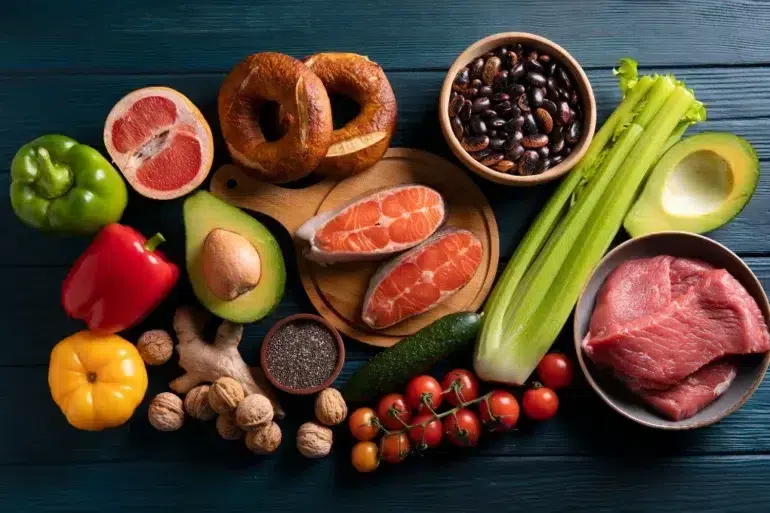
Sure, detox kits and trendy cleanses get a lot of attention these days.
But the fact remains that your liver handles most of the work naturally on its own. It filters toxins from your blood, breaks down fats, proteins, and sugars, stores essential vitamins and minerals, produces bile to aid digestion, and balances hormones and blood sugar.
Each of these tasks keeps your body functioning properly and prevents harmful buildup, all without any extra products.
When you understand how the liver manages these processes, it isn’t difficult to understand how your daily food choices can either facilitate its function or make it harder, which is why a carefully planned diet is so instrumental in ensuring your liver’s health.
Research continues to show that whole foods rich in antioxidants, fiber, and healthy fats can protect liver cells, reduce inflammation, and improve enzyme levels.
So, instead of chasing extreme diet fads that promise quick fixes but lack solid evidence, it makes far more sense to focus on foods that genuinely augment your liver’s natural processes. In fact, experts point out that so-called detox drinks do not magically flush toxins out of the body, but a balanced diet does far more to help your liver function properly.
With that in mind, let’s look at eight foods that help your liver stay healthy and recover better.
Yes, of course, while exploring ways to track liver health, some people also depend on tools like an ast to alt ratio calculator to understand their enzyme levels. However, when you combine the awareness with a diet that incorporates the following foods, you can get a clearer picture of your liver’s wellbeing.
1. Garlic
Although seemingly quite small, garlic carries a lot of punch (both literally and figuratively) when it comes to facilitating liver function, largely because it contains sulfur compounds that help activate detoxifying enzymes in the liver.
These compounds lend a hand to your body in breaking down harmful substances, which makes the entire detox process that much more efficient.
Apart from that, garlic provides valuable antioxidants that help protect liver cells from damage caused by oxidative stress, which is one of the underlying factors in many liver conditions.
In other words, when you crush a clove into a morning omelette or stir minced garlic into your soups, sauces, or grain bowls, you’re not just adding a savory “umami” quality to your meals; you’re also increasing their nutritional value that in turn, keeps your liver naturally healthy.
2. Leafy Greens
Leafy greens such as spinach, kale, and arugula may seem basic but they are full of chlorophyll, flavonoids, and vitamins A and C that help neutralize toxins and assist the liver in its cleansing processes.
Moreover, leafy greens contain plant compounds that may reduce fat buildup in the liver, which is particularly helpful for people dealing with fatty liver concerns. Their high fiber content also boosts digestion, which indirectly reduces the burden on the liver.
When you add a bowl of greens to your meals, you are not just eating vegetables; you are giving your liver a constant supply of nutrients that help it function with less strain.
3. Beets
Beets have a rich, deep color, which comes from antioxidants called betalains. These antioxidants help your liver process toxins and protect its cells from damage.
Beetroot has also been linked to healthier liver enzyme levels, which means it can help your liver break down fats, remove waste more efficiently, and maintain better overall function.
Their natural sweetness and earthy flavor make them easy to include in your meals regularly. For instance, you can add shredded raw beets to your breakfast sandwiches, roast them with a drizzle of olive oil and snack on them after lunch, or stir them into a hearty vegetable stew at dinnertime.
4. Fatty Fish
Fatty fish like salmon, sardines, and mackerel offer more than just a satisfying meal, since they are rich in omega 3 fatty acids that help reduce inflammation in the liver.
Chronic inflammation can lead to more serious liver concerns, including fatty liver disease, so including foods that actively reduce inflammation becomes an important step in protecting your liver.
Research also suggests that omega 3s can help reduce fat accumulation in the liver and improve enzyme levels. So, when you eat fatty fish a few times a week, your liver receives the healthy fats it needs to process toxins more easily and maintain healthy enzyme levels.
5. Citrus Fruits
Citrus fruits such as oranges, lemons, and grapefruits are packed with a bright, refreshing taste, along with a strong dose of vitamin C and antioxidants. These nutrients help stimulate liver enzymes that convert toxins into forms that your body can eliminate more easily.
At the same time, citrus fruits help the body stay hydrated and move the food through the digestive tract smoothly, so the liver has a little less work to do on that front.
Plus, because they are readily available and extremely versatile, citrus fruits are one of the easiest ways to include in your diet. Sip warm lemon water first thing in the morning, toss a few segments of oranges or grapefruit in your lunch meal, and finish off dinner with a small citrus salad.
6. Nuts
Nuts like almonds and walnuts have a nice crunch and are full of nutrients that are good for the liver. They have healthy fats, vitamin E, and antioxidants, which can protect liver cells from damage.
Research has found that people who eat more nuts tend to have a lower risk of nonalcoholic fatty liver disease, showing how helpful they can be for liver health.
A small handful of nuts as a snack or sprinkled on salads can fit easily into your day and give your liver a little boost.
7. Green Tea
Green tea has earned its place in many health conversations, and its benefits for the liver make it worth the attention. It contains catechins, which are antioxidants that help improve liver enzyme levels and reduce fat buildup in the liver.
Regular consumption of green tea has also been associated with a lower risk of liver disease, which adds to its appeal as a daily habit.
It is best to enjoy it in moderation, though, since too much caffeine or very strong tea can sometimes upset your stomach. 1-2 cups of green tea should be enough to get its benefits every day.
8. Cruciferous Vegetables
Cruciferous vegetables such as broccoli, cauliflower, and Brussels sprouts bring a unique set of compounds that actively support the liver’s detox pathways. These vegetables contain glucosinolates, which help increase the production of detoxifying enzymes in the liver.
In addition, they may help reduce the risk of liver disease by reinforcing the body’s natural defense systems. Their fiber content also helps break down food more effectively and prevents buildup in the gut, which reduces the load on the liver.
Final Thoughts
Your liver does not need extreme detox plans or expensive products to function well, since it already has the ability to regenerate and repair itself with the right daily habits.
When you combine the above-mentioned foods with a general awareness of your health markers, including learning how to calculate ast to alt ratio, you move toward a more informed and sustainable way of caring for your liver.