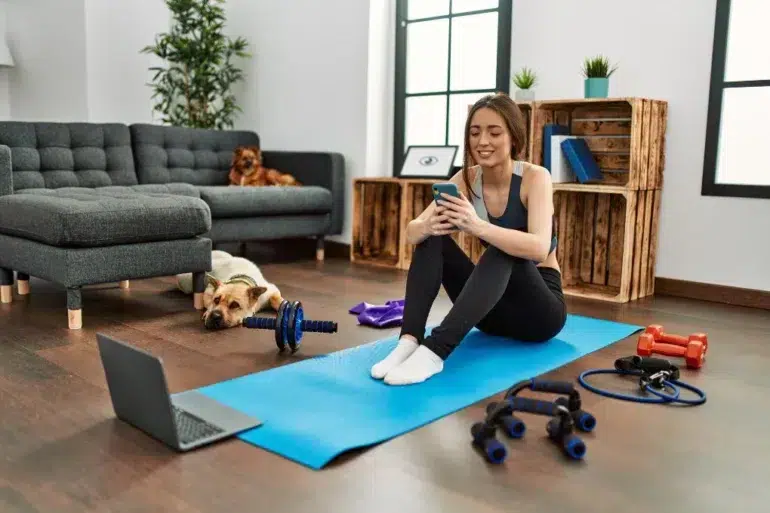
Home fitness has exploded in popularity, and with it comes a growing demand for something that once felt exclusive to commercial gyms: real-time performance data. Whether you’re tracking your heart rate mid-sprint or counting reps with precision, the desire for meaningful feedback during a workout is no longer a luxury—it’s an expectation.
So, can compact home gym equipment actually deliver that level of insight? The short answer is yes, and the technology making it possible is more accessible than ever. Smart sensors, wireless connectivity, and intuitive apps have transformed everyday fitness tools—from adjustable dumbbells to foldable rowing machines—into data-driven training partners.
This article is written for fitness enthusiasts who want more than just a workout; they want measurable progress, personalized guidance, and the kind of analytical feedback that keeps them improving. We’ll explore the technologies powering real-time feedback in small home gym equipment, examine how adaptive workout systems create truly personalized training plans, and walk through practical steps to build a smarter home fitness setup. If you’ve been wondering whether your home gym can compete with a fully staffed fitness center, read on.
Understanding Small Home Gym Equipment and Feedback Capabilities
Small home gym equipment refers to compact, space-efficient fitness tools designed for personal use—think smart adjustable dumbbells, foldable treadmills, sensor-equipped resistance bands, portable rowing machines, and connected stationary bikes. Unlike their bulky commercial counterparts, these devices are engineered to fit within limited living spaces without sacrificing functionality. What’s changed dramatically over the past decade isn’t the physical footprint of this equipment, but what’s happening inside it.
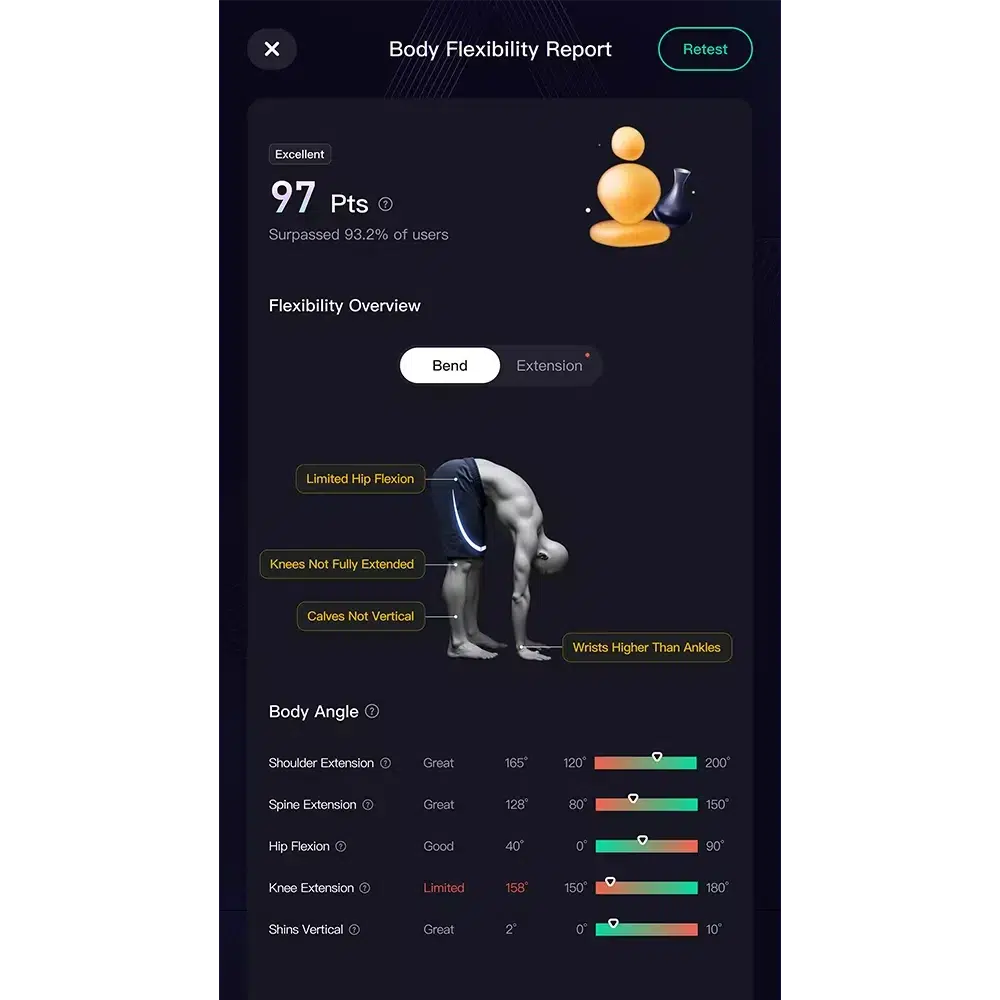
Early home fitness gear was purely mechanical. A dumbbell was a dumbbell—it tracked nothing, learned nothing, and offered no guidance beyond its weight. Today’s small home gym equipment tells a completely different story. Manufacturers have embedded microprocessors, wireless chips, and precision sensors directly into these familiar tools, turning passive objects into active training partners. Brands like AEKE have been part of this shift, designing compact fitness equipment that integrates sensor technology into space-efficient form factors suited for home use. A set of smart dumbbells can now detect grip pressure and rep velocity. A compact resistance band can measure tension output in real time. Even a simple jump rope can count rotations and calculate calories burned with surprising accuracy.
The feedback mechanisms built into modern small gym equipment typically work through a combination of onboard sensors and companion applications. The equipment captures raw physical data—movement, force, heart rate, cadence—and transmits it wirelessly to a smartphone or dedicated display. From there, algorithms interpret the numbers and present them as meaningful performance insights. This seamless integration of hardware and software is what separates today’s small home gym equipment from the basic tools that came before, making real-time feedback not just possible, but genuinely practical for everyday fitness enthusiasts.
The Technology Behind Real-Time Performance Tracking
The leap from passive fitness equipment to responsive training systems comes down to three converging technologies: precision sensors, wireless data transmission, and intelligent software. Together, they create a feedback loop that was once only achievable in professional sports labs. Understanding how these layers work together helps explain why modern small home gym equipment can deliver performance tracking that genuinely influences how you train.
Key Components: Sensors and Monitors
At the core of any real-time feedback system are the sensors embedded within the equipment itself. Accelerometers detect movement speed, direction, and rep tempo—essential for measuring explosive power in a kettlebell swing or controlling descent speed during a squat. Strain gauges measure force output, telling you exactly how much tension a resistance band is generating at peak contraction. Heart rate monitors, whether optical sensors built into handlebar grips or chest strap receivers paired with smart bikes, track cardiovascular intensity continuously throughout your session. Some advanced compact equipment also incorporates gyroscopes for three-dimensional movement analysis, which enables form assessment beyond simple rep counting. These sensors work simultaneously, capturing multiple data streams in parallel so that your performance tracking reflects the full complexity of physical effort rather than a single isolated metric.
Data Transmission and Analysis
Raw sensor data means nothing until it’s processed and contextualized. Most smart home gym equipment uses Bluetooth Low Energy to transmit this data continuously to a paired smartphone or tablet without draining device batteries. Once received, companion apps apply algorithms that convert signals into readable metrics—watts of power output, reps per minute, heart rate zones, or calories burned. The best systems don’t just display numbers; they interpret them. If your rep velocity drops below a threshold you’ve established, the app flags fatigue in real time. If your heart rate climbs beyond your target zone, an alert prompts you to recover. This instant translation from raw data to actionable insight is what makes real-time performance tracking genuinely useful during a workout rather than just interesting after the fact.
Adaptive Workout Systems for Personalized Fitness Plans
Collecting performance data is only half the equation. What truly elevates modern small home gym equipment is what happens with that data—specifically, how adaptive workout systems use it to reshape your training in real time. Rather than following a static plan that ignores how your body actually responds on any given day, adaptive systems continuously analyze your performance metrics and adjust the workout accordingly. If your output is consistently strong, the system increases resistance or volume. If fatigue signals appear early, it scales back intensity to keep you training productively without risking injury.
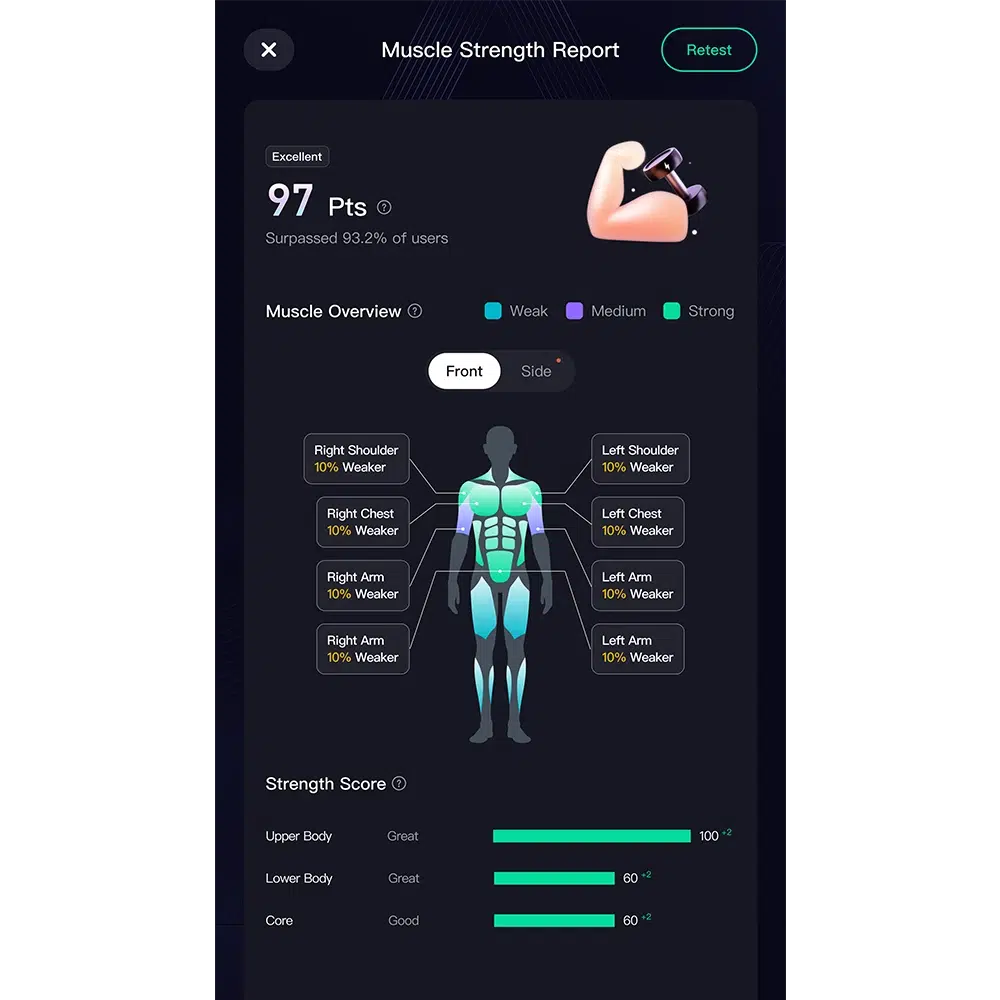
This kind of dynamic adjustment addresses one of the most common frustrations in home fitness: generic programs that don’t account for individual differences in fitness level, recovery capacity, or daily readiness. Smart stationary bikes, for instance, can automatically modify resistance mid-ride based on your real-time power output and heart rate zone. Connected strength systems can suggest rep range modifications between sets based on your velocity data from the previous set. These aren’t pre-programmed variations—they’re responses to what your body is actually doing.
The personalization extends beyond single sessions. Over time, adaptive workout systems build a performance profile unique to you, identifying patterns in your strength curves, cardiovascular thresholds, and recovery rates. This cumulative intelligence allows the system to set realistic progressive goals, flag plateaus before they become discouraging, and recommend when to push harder versus when to prioritize active recovery. For fitness enthusiasts who want their home training to feel as responsive and purposeful as working with a personal trainer, adaptive systems represent the most significant advancement that compact equipment has delivered in recent years.
Maximizing Your Workout with Exercise Libraries and Analytics
Exploring Built-In Exercise Libraries
Real-time feedback becomes significantly more valuable when paired with structured content that tells you what to do with it. Most smart home gym platforms now include built-in exercise libraries—curated collections of workouts ranging from beginner fundamentals to advanced programming. These libraries typically offer video demonstrations that show proper form alongside live performance data, so you’re not just watching a movement but comparing your actual output against the intended standard. The best libraries adapt their recommendations to your current fitness level, pulling from your performance history to surface workouts that are challenging but achievable. This combination of guided content and live metrics removes the guesswork from home training, giving you both the instruction and the accountability that a trainer would otherwise provide.
Interpreting Real-Time Analytics for Better Results
Understanding your analytics dashboard is what turns numbers into progress. During a session, real-time analytics typically surface metrics like rep count, power output, heart rate zone, and calories burned—all updating continuously so you can make immediate decisions about pacing or intensity. After your workout, the same data populates progress charts that reveal trends over days and weeks, making it easy to spot improvements or identify stagnation. The most actionable analytics go beyond raw numbers: they flag when your form deviates from a target movement pattern, note when your performance peaks within a session, and compare today’s output against your personal baseline. Learning to read these cues—rather than simply glancing at a calorie total—is what allows real-time analytics to genuinely sharpen your training over time.
Step-by-Step Guide to Implementing Real-Time Feedback Solutions
Assessing Your Needs and Choosing the Right Equipment
Before purchasing anything, get specific about what you actually want to measure. A runner focused on cardiovascular endurance has different tracking priorities than someone building strength through resistance training. Write down your primary fitness goals, then map them to the metrics that matter most—heart rate zones for endurance, velocity and force output for strength, cadence for cycling. Equally important is your available space: measure your workout area and identify which compact equipment categories realistically fit. With goals and constraints defined, evaluate smart equipment options—from established fitness equipment brands such as AEKE to other manufacturers—that offer both the sensors relevant to your metrics and adaptive features that will evolve with your fitness level. Prioritize platforms with strong companion apps, since the software determines how useful your data actually becomes.
Configuring Adaptive Workouts and Tracking Settings
Once your equipment arrives, resist the temptation to jump straight into a workout. Spend time completing any initial fitness assessments the app requires—these baseline tests calibrate the adaptive system to your actual current capacity rather than a generic starting point. Set your personal targets within the app: target heart rate zones, weekly volume goals, and any movement limitations worth flagging. Calibrate sensors according to the manufacturer’s instructions, particularly for force-measuring devices where accuracy depends on proper setup. Enable all real-time alert thresholds so the system can notify you when you exceed intensity limits or drop below target effort levels during sessions.
Utilizing Analytics to Refine Your Routine
During each workout, keep your analytics display visible and treat the real-time metrics as active coaching rather than passive data. If power output drops mid-set, that’s your cue to rest rather than grind through compromised reps. After each session, spend five minutes reviewing your performance summary—look for patterns rather than isolated numbers. Consistent drops in output during the final third of workouts suggest pacing adjustments are needed. Plateaus in weekly progress charts signal it’s time to modify volume or intensity. Let the cumulative data guide your programming decisions every two to three weeks, using your analytics history to make evidence-based adjustments that keep your training progressing steadily forward.
Smart Home Gym Equipment Is Ready to Transform Your Training
The question of whether small home gym equipment can provide real-time performance feedback has a clear answer: not only is it possible, it’s now practical and increasingly affordable. Through precision sensors, wireless data transmission, and intelligent companion apps, compact fitness tools have evolved into genuine training partners capable of delivering the kind of insight that once required a professional facility or a personal coach standing beside you.
The benefits extend well beyond simply seeing your heart rate on a screen. Adaptive workout systems tailor intensity and volume to how your body actually responds each session. Built-in exercise libraries pair structured guidance with live metrics, removing the guesswork from programming. Real-time analytics translate raw data into decisions you can act on immediately—mid-set, mid-ride, mid-run—while cumulative progress tracking keeps your long-term development on a clear, evidence-based trajectory.
For fitness enthusiasts who want their home training to feel as purposeful and responsive as working with a dedicated coach, the technology is ready. The practical next step is straightforward: define your goals, identify the metrics that matter most to your training, and explore the smart equipment options built to track them. Your home gym can be more than a convenient alternative to a commercial facility—with the right tools, it can be a smarter one.