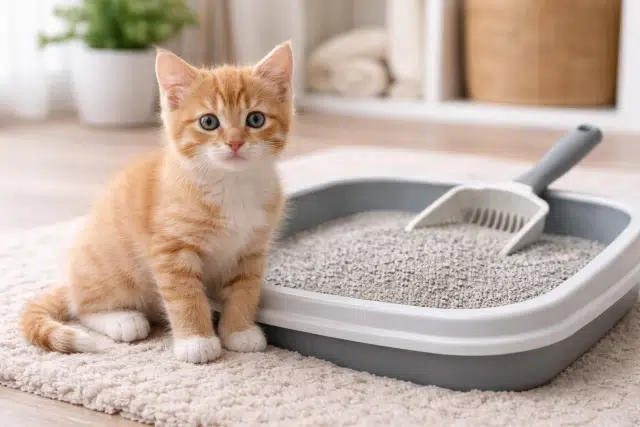
Bringing home a kitten is exciting, but it also comes with a bunch of small decisions that matter more than you think. One of the first is litter. You want something that clumps well, controls odor, and keeps your floors cleaner. At the same time, kittens are curious, messy, and sometimes a little dramatic about anything new. That’s why pet owners often ask whether Boxie Cat Litter is a good choice for kittens and what they should watch out for during those early weeks of litter training.
This guide covers the practical stuff: what makes kitten litter different, how Boxie Cat Litter can fit into a kitten routine, what to look for on day one, how to switch safely, and what to do if your kitten starts sniffing, tasting, or refusing the box.
Why Kittens Need Special Litter Consideration
Kittens are not just tiny cats. They explore with their nose and mouth, and they are still learning what is “food” and what is “not food.” That matters because some kittens will lick their paws after stepping in the box, or even nibble litter out of curiosity.
Here’s what typically makes kitten litter choices trickier than adult cat litter choices:
- Higher curiosity and accidental ingestion risk
- Smaller bodies so stomach upset can happen faster
- Developing lungs so very dusty litter can be more irritating
- Learning phase so texture and scent can affect whether they use the box
So when you’re choosing Boxie Cat Litter for a kitten, the big questions are not only “Does it control odor?” but also “Is it gentle, low dust, and kitten-friendly in real life?”
What Is Boxie Cat Litter (In Simple Terms)
Boxie Cat Litter is commonly known for strong clumping, odor control, and a cleaner feel compared to many basic clay options. Different versions may exist, but the general idea is the same: form tight clumps, reduce odor, and aim for less mess around the box.
For kittens, those features can be helpful, but only if you set things up correctly and pay attention to your kitten’s behavior in the first few days.
Is Boxie Cat Litter Safe for Kittens?
Most pet owners use clumping litter with kittens without issues, but “safe” depends on the kitten, their habits, and how you manage the transition.
Key safety points to understand first
- Clumping litter and ingestion: The main concern is a kitten eating litter. Clumping litter is designed to absorb moisture and form clumps, which is great in the box but not great if a kitten consumes a noticeable amount.
- Dust exposure: Very dusty litter can irritate sensitive kittens or cats with respiratory issues.
- Scent sensitivity: Strong fragrances can discourage use of the litter box, especially in young kittens.
So yes, Boxie Cat Litter can work for kittens, but it’s best used with a “kitten-first” setup and supervision early on, especially if your kitten is under 12 weeks or has a habit of tasting everything.
The Best Age to Introduce Clumping Litter
Many pet owners start with a non-clumping litter when kittens are very young, then move to clumping litter as they mature and stop tasting things. If your kitten is already confidently using the box and not chewing litter, clumping options like Boxie Cat Litter are often introduced smoothly.
A practical rule of thumb many owners follow:
- Very young kittens (especially those still exploring with their mouth): start simple, monitor closely
- Older kittens who reliably use the box and do not eat litter: clumping litter can be more convenient
If you already have Boxie Cat Litter at home, you can still use it, but the transition approach matters.
What Pet Owners Usually Like About Boxie Cat Litter for Kittens
Let’s talk real-life reasons people choose it, especially in homes with a new kitten.
1) Strong clumping makes cleanup easier
Kittens pee often and sometimes miss the “best spot” in the box. A litter that forms firm clumps can make daily scooping quicker and cleaner.
2) Odor control helps during the training stage
Kittens can have inconsistent bathroom habits early on. Better odor control can keep your space fresher even when you’re scooping multiple times a day.
3) Lower mess can reduce tracking stress
Some litter types stick to paws and end up everywhere. A litter that tracks less can make the “kitten chaos” phase a bit easier.
That said, kitten comfort and acceptance matter more than any feature list.
What Kittens Might Not Like (And How to Fix It)
Even a high-quality litter can fail if your kitten hates the feel or smell.
Common kitten complaints
- The texture feels strange (too gritty, too sandy, too sharp)
- The box smells “chemical” or unfamiliar
- The litter depth is uncomfortable
- The box location feels scary or noisy
Quick fixes that often work
- Use a shallow layer at first (about 2 to 3 inches)
- Keep the box in a quiet, low-traffic spot
- Scoop more often for the first week (kittens notice everything)
- Avoid adding deodorizers or extra scent products
The Ideal Litter Box Setup for Kittens Using Boxie Cat Litter
Kittens fail litter training more because of setup than because of attitude. Here’s a setup that works for many homes.
Choose the right box
- Low entry so the kitten can walk in easily
- Big enough for the kitten to turn around comfortably
- Open top is often easier for training (covered boxes can feel intimidating early)
Use the right amount of litter
- Start with 2 to 3 inches of Boxie Cat Litter
- Too deep can feel unstable and make kittens avoid the box
- Too shallow can increase odor and sticking
Placement matters
Put the box where your kitten can reach it fast:
- Not next to loud appliances
- Not trapped behind doors
- Not right beside food and water
How many boxes?
A common, kitten-friendly approach is:
- 1 kitten = 2 boxes if possible
This reduces accidents and helps your kitten learn faster, especially in multi-room homes.
How to Introduce Boxie Cat Litter to a Kitten (Step-by-Step)
If your kitten is already using another litter type, do not switch overnight unless you have to. Kittens can be picky, and sudden changes can cause accidents.
Best transition method (gentle and simple)
Days 1 to 3:
- 75% old litter
- 25% Boxie Cat Litter
Days 4 to 6:
- 50% old litter
- 50% Boxie Cat Litter
Days 7 to 10:
- 25% old litter
- 75% Boxie Cat Litter
After day 10:
- 100% Boxie Cat Litter
During this transition, keep the box extra clean. A dirty box plus a new texture is often what triggers refusal.
What If Your Kitten Tries to Eat the Litter?
This is the part that worries people most, and honestly, it should. A tiny taste once is usually just curiosity, but repeated eating is a clear sign you should pause and adjust.
What to do immediately
- Remove loose litter from paws and face
- Offer food or a small treat to redirect
- Watch for repeated attempts
If it keeps happening
- Switch temporarily to a non-clumping, kitten-specific litter
- Keep a closer eye right after meals and after play (that’s when curiosity spikes)
- Talk to a vet if you notice repeated ingestion, vomiting, constipation, lethargy, or appetite changes
The goal is not to panic, but to respond quickly if the behavior becomes a pattern.
Daily Care Tips That Keep Boxie Cat Litter Working Well
Even good litter can start smelling or tracking if maintenance is off.
Scoop schedule that suits kittens
- Scoop at least 1 to 2 times daily
- In the first training week, scooping more often helps your kitten learn that the box is the bathroom, not a “play zone”
Keep clumps intact
Use a sturdy scoop and remove clumps fully. Small broken clumps left behind can raise odor and reduce acceptance.
Full change routine
A full dump and wash depends on:
- number of cats
- box size
- how often you scoop
A practical approach is:
- refresh the top layer regularly
- do a full wash when you notice lingering odor or buildup on the bottom
Cleaning without scaring your kitten
Skip harsh-smelling cleaners. If the box smells like strong chemicals, many kittens will avoid it. Mild soap and warm water is usually enough.
Boxie Cat Litter in Multi-Cat Homes With a Kitten
If you have adult cats and a new kitten, the litter box dynamic changes.
What can happen
- Adult cats may guard the box
- The kitten may get pushed out or feel unsafe
- Accidents happen because the kitten is nervous, not because they are “untrained”
How to make it smoother
- Give the kitten at least one box in a quiet room
- Do not force sharing early on
- Let the kitten build confidence before mixing spaces
In these homes, Boxie Cat Litter can be helpful because firm clumping makes multi-cat cleanup easier, but the social setup still matters more than the brand.
Troubleshooting: Common Problems and Quick Solutions
Problem 1: Your kitten pees beside the box
Possible causes:
- box is too high to enter easily
- box is too dirty
- litter texture feels wrong
- kitten is stressed or box location is scary
What helps:
- lower entry box
- add a second box
- keep it spotless for a few days
- reduce sudden noise around the box
Problem 2: Your kitten digs like crazy and flings litter
This is normal kitten behavior sometimes.
What helps:
- use a higher-sided box (still low entry)
- place a mat around the box
- keep litter depth moderate, not too deep
Problem 3: Your kitten refuses the box after you switched litter
What helps:
- go back one step in the mix ratio
- keep the old litter scent present for a few more days
- avoid scented add-ons
- offer praise after successful use
Problem 4: Soft stool makes cleanup messy
Kittens can have diet changes, stress, or sensitive digestion. When stool is soft, even strong clumping litter can feel harder to manage.
What helps:
- scoop more frequently
- keep the box dry
- consult a vet if stool issues continue, because it might be dietary or medical
Practical Buying Considerations for Kitten Owners
You do not need a complex strategy, but you do need consistency. Kittens learn routines fast.
Before you commit long-term, ask:
- Does my kitten accept the texture?
- Is dust low enough that sneezing is not increasing?
- Is tracking manageable in my home?
- Can I maintain it with my schedule?
If the answer is yes, Boxie Cat Litter can be a solid choice for the kitten stage and beyond.
Quick Checklist: Signs Boxie Cat Litter Is Working for Your Kitten
- Your kitten uses the box without hesitation
- No repeated litter eating or chewing
- Clumps form well and are easy to remove
- Minimal odor between scoops
- Less tracking compared to your previous litter
- No increase in sneezing or watery eyes
If most of these are true, you are in a good place.
Common Questions Pet Owners Ask
Can Boxie Cat Litter help with odor in a small apartment?
It can, especially if you scoop daily and keep the box dry. Odor control works best when clumps are removed promptly.
Should I use scented litter for kittens?
Many kittens prefer unscented options. If your kitten is avoiding the box, scent is one of the first things to simplify.
How long does it take a kitten to adjust to new litter?
Some adjust in a day, others take a week or two. Slow transitions and clean boxes speed it up.
My kitten scratches the floor near the box. Is that normal?
Yes, many kittens do “covering” motions even outside the box. A litter mat helps protect floors and keeps tracking down.
Conclusion
Kittens usually do best when the litter routine stays consistent, because the box becomes a familiar, safe place. If you ever need to look up the broader meaning of cat litter.
If your kitten is still in the exploring-everything phase, keep a close eye for any litter tasting, because that’s the one situation where clumping products require extra caution. It’s not about fear, it’s about being practical while they grow out of that habit.
Once your kitten is reliably using the box, the focus shifts to maintenance and comfort. A steady scooping routine, the right box height, and a calm setup make a bigger difference than most people realize, even with a premium litter.
Boxie Cat Litter can be a convenient, effective option for many kitten households, especially when you introduce it gradually and keep the environment kitten-friendly. When your kitten feels comfortable and your cleanup feels manageable, that’s when you know you’ve found the right match.