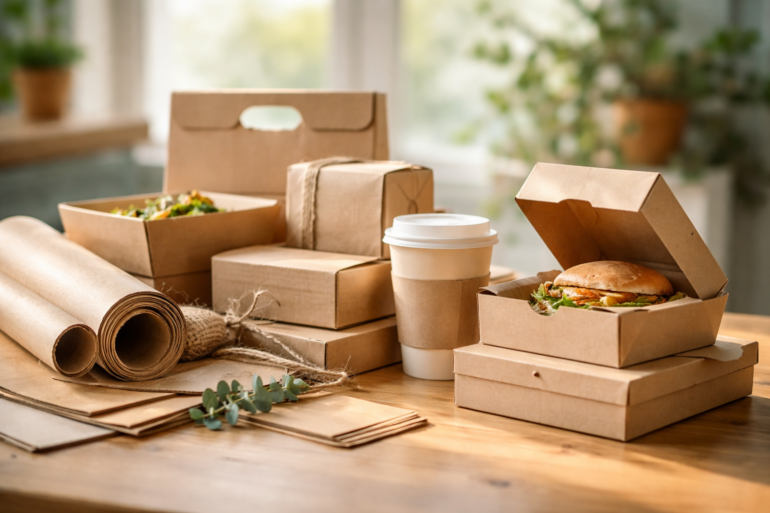
If you have come across the word Pappedeckel and wondered what it actually means, you are not alone. The term is German, and in practical use it usually points to thick cardboard or paperboard material that is often used for covers, lids, cartons, packaging inserts, and other sturdy paper-based applications. In simple terms, Pappedeckel sits in that useful space between ordinary paper and heavier corrugated board, which is exactly why it keeps showing up in packaging, retail presentation, storage, crafts, and even some industrial uses. Sources that discuss paperboard and cartonboard consistently describe it as a thicker paper-based material valued for foldability, stiffness, printability, and light weight.
What makes Pappedeckel especially interesting is that it is not just a simple material term. It also reflects a real packaging need. Businesses want packaging that protects products, looks clean on the shelf, prints well, ships efficiently, and supports recycling goals. Paper and paperboard remain central to that conversation. The U.S. Environmental Protection Agency reports that paper and paperboard accounted for 67.4 million tons of municipal solid waste generation in 2018, with about 46 million tons recycled, equal to a 68.2 percent recycling rate.
What Pappedeckel Means in Practical Terms
In everyday usage, Pappedeckel generally refers to a rigid paper-based board that can act as a cover, panel, backing, carton material, or protective layer. In packaging language, the closest English match is often paperboard or boxboard, depending on thickness, finish, and intended use. Paperboard is commonly described as thicker than regular paper, while still being lighter and more foldable than heavier corrugated packaging materials.
That distinction matters because not every cardboard-like material does the same job. A cereal box, a medicine carton, a bakery box, and a premium retail sleeve may all look similar at first glance, but they can be made from different grades of board. Some versions are coated for a smoother print surface. Others use recycled fiber for cost and environmental reasons. Some are built for appearance, while others are built for stiffness and protection.
So when people use the term Pappedeckel, they are usually talking about a practical, sturdy, paper-based sheet material that holds shape well and works beautifully in folding, cutting, printing, and light product protection.
Why Pappedeckel Works So Well in Packaging
The appeal of Pappedeckel comes down to balance. It is usually strong enough for many packaging tasks without becoming bulky or expensive to ship. That balance is one of the main reasons paperboard has become such a common packaging choice across food, health, personal care, and consumer goods categories. Official packaging sources from the American Forest & Paper Association list examples such as dry food boxes, small electronics boxes, medicine cartons, bakery boxes, and tissue boxes.
There are several reasons this material performs so well.
Lightweight but Sturdy
One of the best things about Pappedeckel is that it gives structure without too much weight. That helps during shipping, warehousing, shelf display, and consumer handling. A package that feels neat, crisp, and stable often starts with the right board grade rather than simply using more material. Sources on cartonboard production and properties emphasize stiffness, multi-layer construction, and structural performance as core advantages.
Easy to Print and Brand
Packaging is not only about protection. It is also a sales surface. Brands need high-quality printing for logos, color consistency, legal information, ingredients, instructions, and shelf appeal. Coated and uncoated paperboard grades can support strong graphic performance, which is one reason Pappedeckel remains practical for retail packaging.
Efficient to Cut, Fold, and Convert
Manufacturers like materials that move cleanly through production lines. Paperboard can be die-cut, creased, folded, glued, and finished into many shapes. That makes Pappedeckel useful for folding cartons, sleeves, inserts, tags, protective pads, and presentation boxes. The ability to turn flat sheets into functional packaging quickly is a major commercial advantage.
Compatible With Sustainability Goals
For many businesses, packaging decisions now include recycled content, recyclability, sourcing, and waste reduction. The European Commission says packaging rules are increasingly focused on making packaging recyclable and reducing unnecessary material use, while FSC highlights chain-of-custody certification for paper and packaging products sourced from certified or controlled forest-based materials.
Common Packaging Uses of Pappedeckel
The most practical way to understand Pappedeckel is to look at where it shows up in real life. Once you start noticing paperboard packaging, you see it almost everywhere.
Food and Beverage Packaging
A lot of food packaging depends on paperboard. Dry foods like cereal, pasta, snack products, and frozen meal cartons are common examples. In many cases, the board provides the outer structure, while other packaging layers handle direct food contact or moisture resistance depending on the product. AF&PA specifically lists dry food boxes, frozen food packages, gum packaging, and snack containers among common paperboard uses. The FDA also notes that food contact substances are used in packaging materials, including paper and cardboard applications, to serve specific protective functions such as helping prevent grease leakage.
Pharmaceutical and Personal Care Cartons
Medicine boxes, soap cartons, toothpaste packaging, tissue cartons, and hygiene product boxes often rely on Pappedeckel style board because it combines clean presentation with efficient production. These products usually need printed instructions, batch information, and branding, all of which paperboard handles well.
Retail and Electronics Packaging
Small electronics, accessories, cosmetics, and giftable products frequently use paperboard because appearance matters. A smooth, printable board with good fold quality helps create a premium feel without excessive cost. When brands want an attractive outer pack that still ships flat before assembly, Pappedeckel is often a smart choice.
Bakery, Household, and Everyday Product Boxes
Bakery packaging, household goods cartons, toy packaging, and DIY product boxes all benefit from board that is light, stiff, and easy to convert. Pro Carton materials note uses that range from dry foods and detergents to toiletries, household goods, toys, games, and DIY-related items.
Inserts, Backings, and Protective Layers
Not every application is a finished box. Sometimes Pappedeckel is used inside a pack as a backing card, divider, insert, or support layer. This is common when a product needs neat presentation or light protection but does not require the heavier cushioning of corrugated material.
Material Facts That Matter Before Choosing Pappedeckel
If you are writing about packaging or choosing a packaging material, it helps to know what actually determines performance. People often say cardboard as if it were one thing, but paperboard quality depends on several technical factors.
Fiber Source
Paperboard may be made from virgin fiber, recycled fiber, or a mix. Recycled content can support circular packaging goals, while virgin fiber may be selected when appearance, strength, cleanliness, or food-related requirements are especially important. Sources discussing cartonboard production and packaging sourcing show that fiber choice is a core part of board design and sustainability strategy.
Grammage and Thickness
Paperboard is often discussed in terms of grammage, meaning mass per unit area, usually expressed in grams per square meter. ISO-style descriptions commonly place paperboard above 250 g/m², though terminology can vary by market and application. Thickness, bulk, and density also affect how rigid the final package feels in the hand.
Stiffness
Stiffness is one of the most important performance traits for Pappedeckel. A carton can look attractive on screen, but if the board lacks stiffness, it may bow, crush, or feel cheap in real use. Industry sources note that stiffness helps packages run well through filling and closing machinery and gives cartons the structure they need on shelves.
Surface Finish
Some packaging needs a bright, coated finish for sharp print and strong shelf impact. Other applications may do better with a more natural, matte, or recycled appearance. The finish changes both the visual result and the brand message. Premium beauty packaging, for example, often leans into smooth coated surfaces, while eco-conscious product lines may prefer a more natural board appearance.
Barrier and Food Contact Considerations
Paperboard is versatile, but plain board does not solve every packaging challenge on its own. Some food applications need coatings, laminations, or other treatments for grease resistance, moisture control, or sealing performance. FDA resources make it clear that substances used in packaging that contact food are regulated, and applications vary depending on the packaging system and intended use.
The Practical Value of Pappedeckel for Businesses
For a business owner, supplier, e-commerce seller, or product manager, the value of Pappedeckel is not theoretical. It shows up in cost, speed, appearance, and customer experience.
A good paperboard carton stores flat, converts efficiently, and creates a professional first impression when assembled. It can carry branding, regulatory text, usage information, and shelf messaging in one place. It also works across product categories, which is why businesses from food producers to skincare brands continue to rely on it.
There is also a logistics advantage. Lighter packaging can reduce shipping weight compared with heavier alternatives. That does not automatically make every board package better, but it does mean businesses can often fine-tune the balance between protection and cost. The smartest packaging decisions usually come from matching the board grade to the product rather than overpacking.
For sustainability-minded brands, Pappedeckel can support a stronger environmental message when sourced responsibly and designed for recyclability. EPA recycling data, European packaging policy goals, and FSC certification guidance all point in the same direction: paper-based packaging remains highly relevant in the move toward more circular systems, though design choices still matter.
Real-World Examples of Where Pappedeckel Adds Value
Imagine a small tea brand launching a premium boxed line. It needs packaging that protects the tea sachets, prints beautifully, and looks giftable on a retail shelf. A well-selected Pappedeckel carton gives it all three benefits without the bulk of a heavier shipping box.
Now think about a pharmacy product like over-the-counter tablets. The carton needs clear dosage instructions, lot information, barcodes, tamper-aware design elements, and shelf efficiency. Paperboard works well because it handles printing and structure in a compact format.
A third example is a cosmetics brand that wants a more sustainable-looking unboxing experience. Instead of glossy plastic-heavy packaging, it may use neatly printed paperboard sleeves or folding cartons made from certified or recycled sources. That shift can help align the packaging with the brand story, provided the product protection requirements are still met.
What to Check Before Using Pappedeckel in Packaging
When choosing Pappedeckel, the best question is not “Is paperboard good?” The better question is “Is this grade right for this product?”
Check the following before making a packaging decision:
- Product weight and fragility
- Need for moisture, grease, or light protection
- Printing and branding requirements
- Shipping conditions
- Storage conditions
- Compliance needs for food, health, or regulated goods
- Recycling and sourcing goals
A lightweight skincare carton and a frozen food carton may both be called paperboard packaging, but they do not have identical requirements. That is why board selection, coatings, and structure matter so much.
Frequently Asked Questions About Pappedeckel
Is Pappedeckel the same as cardboard?
Not exactly. In casual language, people may use the terms loosely, but in packaging and paper industries, paperboard, boxboard, cartonboard, and corrugated board are not all the same. Pappedeckel usually aligns more closely with paperboard or carton-style board rather than heavy corrugated transport packaging.
Is Pappedeckel recyclable?
In many cases, yes, but actual recyclability depends on the board type, coatings, laminations, contamination, and local recycling systems. Paper and paperboard are widely recycled materials, and EPA data shows strong recycling performance overall, but package design still affects end-of-life outcomes.
Can Pappedeckel be used for food packaging?
Yes, it can be used in food packaging systems, but the packaging must meet food contact and performance requirements for the specific application. FDA resources make clear that substances used in food-contact packaging are regulated and application-specific.
Why do brands prefer Pappedeckel for retail packaging?
Because it offers a strong mix of appearance, printability, structure, efficiency, and flexibility. It is one of the most practical materials for brands that want packaging to look good and perform well without unnecessary bulk.
Conclusion
In the end, Pappedeckel is much more than a simple foreign word for cardboard. It represents a highly useful paper-based packaging material that balances structure, print quality, flexibility, and practical value. Whether it appears in food cartons, medicine boxes, bakery packaging, retail sleeves, or protective inserts, Pappedeckel remains relevant because it solves real packaging problems in an efficient way. Official industry and regulatory sources show why paperboard continues to matter: it is widely used, highly adaptable, and closely tied to modern recycling and sourcing conversations. For brands, retailers, and everyday consumers, Pappedeckel keeps proving that smart packaging does not need to be flashy to be effective. In many cases, it just needs to be strong, printable, lightweight, and fit for purpose. If you want to understand the broader world of paper-based board materials, this short reference to paperboard packaging helps place Pappedeckel in its wider material context.