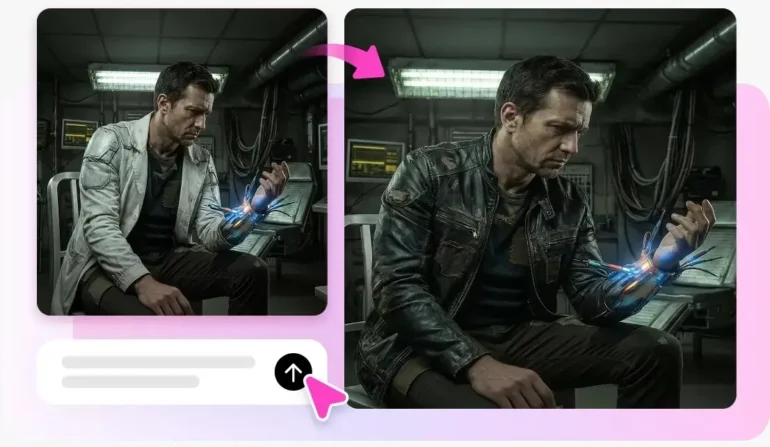
There has never been a wider gap between having an idea for a video and being able to make one. Traditional production demands cameras, actors, locations, and days of editing, which means most concepts die as notes in a phone. Generative technology collapses that gap dramatically, letting a single person turn a written idea into a finished clip in an afternoon. For small business owners who need marketing content, educators explaining a concept, and creators feeding hungry social feeds, this speed changes what is realistically possible. But moving fast is not the same as moving well, and the tools reward people who understand the process rather than those who simply click generate and hope. This article maps the full journey from a rough concept to a polished result, covering how the technology works, how to guide it toward the look you want, and how to finish a clip so it feels intentional rather than automated.
From Text and Images to Moving Footage
The foundation of this technology is its ability to interpret a description or a still image and generate motion that matches. You provide a prompt, a reference picture, or both, and the system produces frames that follow your direction. Creating an ai video this way means the quality of your input shapes everything downstream, because the model is translating your intent into visuals. Clear, specific direction produces coherent results, while vague prompts yield generic or inconsistent motion. The practical upside is enormous: you can visualize a scene that would be impossible or expensive to film, iterate on it instantly, and keep only the versions that serve your story, all without leaving your desk or booking a single resource.
Writing Prompts the System Understands
The single biggest lever on quality is how you describe what you want. Treat the prompt like direction to a cinematographer: name the subject, the setting, the camera movement, the lighting, and the mood in concrete terms. Rather than asking for a busy city, describe a rain-slicked street at dusk with neon reflections and a slow forward camera glide. Specificity anchors the generation and reduces the random drift that makes clips feel unstable. It also helps to generate in short segments and describe each one clearly, since asking for too much action in a single clip usually produces muddled motion. Building a scene from a few well-directed shots almost always beats hoping one long, vaguely worded generation lands perfectly.
Directing Consistency and Style
The difference between a random clip and a piece of content that belongs to your brand is consistency. If you are producing a series or a set of marketing videos, they need to share a visual language, the same palette, framing tendencies, and tone. Establish these choices early and reuse them deliberately across every generation. Reference images are powerful here, giving the system a concrete anchor for the look you want rather than leaving style to chance. When each new clip inherits the same visual decisions, a collection of separate generations starts to read as one coherent body of work, which is exactly what audiences and clients expect from anything that represents a brand.
A practical way to lock this in is to build a small reference kit before you generate at volume. Save a few approved frames that capture your ideal color grade and framing, note the descriptive phrases that reliably produce that look, and keep them beside you as you work. Treat this kit as a living style guide, refining it whenever a generation surprises you in a good way. The upfront effort pays for itself many times over, because instead of rediscovering your visual identity with every prompt, you are simply applying a formula you already trust, which keeps a large batch of clips feeling like they came from the same creative hand.
Building Longer Pieces From Short Clips
Most generation works best in short bursts, so producing anything substantial means assembling several clips into a sequence. Plan this like a shot list: decide the beats your video needs, generate each one, then arrange them so the motion and energy flow naturally from shot to shot. Pay attention to how one clip cuts into the next, matching movement direction and pacing so transitions feel deliberate rather than jarring. This modular approach also makes revision painless, because a weak moment can be regenerated on its own without redoing the entire piece. Thinking in shots rather than whole videos is the mental shift that lets you build genuinely polished, longer content.
This shot-based mindset also changes how you handle the inevitable imperfect generation. Rather than discarding a whole minute of footage because one gesture looked wrong, you isolate the offending shot, adjust its prompt, and swap in a clean replacement. Over a full project this saves enormous time and keeps your momentum intact, since you are never forced to gamble a long generation on getting every second right at once. It is the same principle a film editor relies on, cutting the best moments together, and applying it here is what makes the difference between a clip that merely exists and one that feels genuinely directed.
The Finishing Touches That Sell It
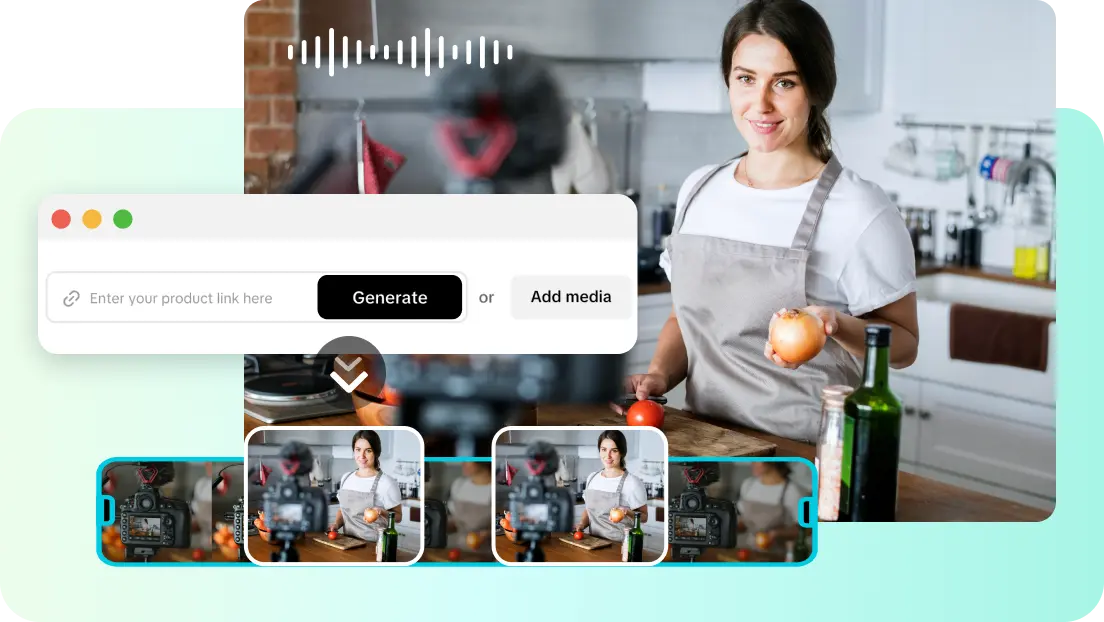
Raw generated footage rarely feels complete on its own; the finishing stage is what makes it convincing. Sound is the most underrated element, so add music that matches the pace and ambient audio that grounds the visuals in a believable space. Well-timed captions keep the message clear for the majority of viewers who watch without sound, and tight trimming removes any frames where the motion wobbles or the attention lags. Platforms such as Pippit AI bring generation and these editing steps into one workflow, so you can move from a prompt to a captioned, scored, export-ready clip without juggling separate applications. That integration is often what turns a promising draft into something you would actually publish.
Making Speed Serve the Story
The remarkable thing about this technology is not just that it is fast but that it puts real production power in the hands of anyone with an idea. The creators who benefit most are the ones who respect the process: they write specific, cinematic prompts, establish a consistent style and reuse it, build longer pieces from well-planned short shots, and invest in the sound and editing that make a clip feel finished. Approached that way, the speed becomes a creative advantage rather than a shortcut to mediocre results, letting you test more concepts and refine the best ones far beyond what a traditional pipeline would allow. The idea trapped in your notes no longer has to stay there. With a clear intention and a disciplined workflow, you can move from concept to a polished, publishable video in a single sitting and do it again tomorrow.