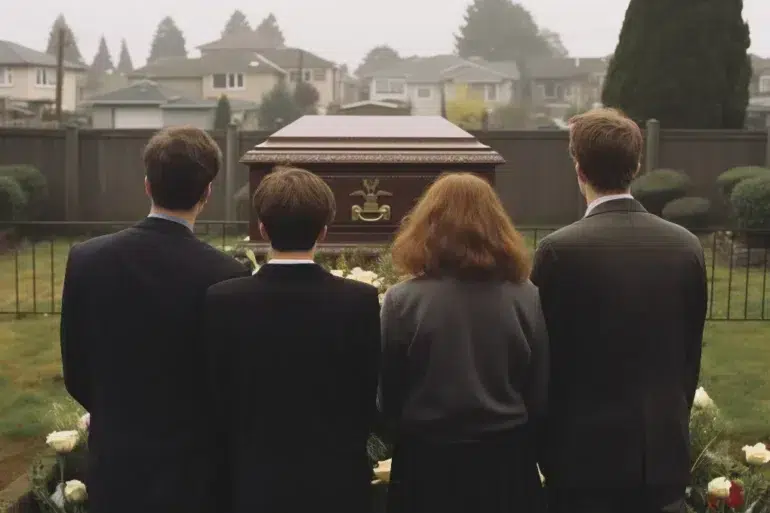
Losing someone we love is one of the most profound experiences a person can face. Yet within that grief, there exists a quiet opportunity: the chance to celebrate a life with intention, dignity, and genuine care. Thoughtful funeral planning, far from being a morbid task, can become one of the most meaningful acts of love a family undertakes. When approached with openness and preparation, the process of arranging a memorial transforms into a powerful tribute that honors the person who has passed and offers real comfort to those left behind.
The Emotional Value of a Meaningful Farewell
Research in grief psychology has consistently shown that rituals surrounding death play a significant role in the healing process. Funerals and memorial services give mourners a structured space to acknowledge loss, share memories, and begin the long journey toward acceptance. The act of gathering together, whether in a house of worship, a garden, or a family home, creates a collective memory that survivors carry with them for years.
Psychologists note that funerals serve a dual purpose: they mark the end of a life while simultaneously affirming the bonds that continue among the living. When families invest time and care into planning a service that genuinely reflects the personality and values of the deceased, the emotional impact deepens. A ceremony tailored to the individual, complete with music they loved, readings that meant something to them, and a setting that felt like theirs, resonates far more than a generic service.
Understanding Your Options in Funeral Arrangements
Modern funeral planning offers far more flexibility than many families realize. Traditional burial remains a widely chosen option, but cremation, green burial, and celebration-of-life events have all grown in popularity over the past two decades. Each path carries its own set of decisions, timelines, and costs, and understanding these options early allows families to make choices that align with both their values and their financial realities.
One area where families often find unexpected options is in the selection of the casket. For generations, casket purchases were made exclusively through funeral homes, where choices could be limited and prices elevated. Today, families have the legal right to purchase a casket independently and have it delivered to the funeral home of their choice. Selecting a funeral casket from a trusted independent retailer can offer both greater variety and meaningful cost savings, allowing more of a family’s budget to be directed toward the elements of the service that matter most to them.
It is worth noting that funeral homes are legally required to accept third-party caskets without imposing additional handling fees, a protection established under the Federal Trade Commission’s Funeral Rule. Families who are aware of this right often feel more empowered and less overwhelmed during an already difficult time.
Planning Ahead: A Gift to Those You Love
Pre-planning a funeral is one of the most considerate things a person can do for their family. When end-of-life wishes are documented in advance, loved ones are spared the burden of making difficult decisions while in acute grief. Pre-planning also allows individuals to express their own preferences clearly, ensuring that the service reflects who they truly were rather than who others imagined them to be.
Pre-arrangement conversations can cover everything from burial preferences and service formats to music selections, eulogists, and charitable donation requests in lieu of flowers. Many funeral homes offer pre-planning consultations at no charge, and some allow families to lock in current pricing for future services, providing financial predictability as well as peace of mind.
According to Pew Research Center, attitudes toward death and dying are shifting across generations, with younger adults increasingly open to discussing end-of-life planning and exploring non-traditional memorial options. This cultural shift is encouraging more families to approach funeral planning as a thoughtful, proactive process rather than something to be avoided until the last possible moment.
Personalizing the Service to Reflect a Unique Life
Perhaps the most meaningful aspect of modern funeral planning is the freedom to personalize. A memorial service no longer needs to follow a rigid template. Families are finding creative, deeply personal ways to celebrate the lives of those they have lost, and the results are often profoundly moving.
Consider the possibilities: a musician’s service might feature live performances of songs they wrote or loved. A gardener’s memorial could be held outdoors among the flowers they tended for decades. A devoted sports fan might be remembered at a favorite stadium or with team colors woven throughout the decor. Photo slideshows, video tributes, memory tables filled with meaningful objects, and open microphone moments for friends and family to share stories all contribute to a service that feels alive with the spirit of the person being honored.
Even the choice of casket or urn can be a form of personalization. Families today can select from a wide range of materials, finishes, and designs that reflect the aesthetic sensibilities of their loved one. From classic mahogany and brushed metal to eco-friendly bamboo and hand-painted designs, the options available allow families to find something that genuinely feels right.
Supporting Grieving Families Beyond the Service
The days and weeks following a funeral are often when grief becomes most acute. The initial wave of support from friends and community tends to recede, and the reality of loss settles in more deeply. This is why thoughtful funeral planning should also consider what happens after the service concludes.
Many funeral homes now connect families with grief counselors, support groups, and community resources. Hospice organizations frequently offer bereavement support to families even after a loved one has passed. Online communities and local grief support networks provide spaces where mourners can speak openly with others who understand what they are experiencing.
Practical steps matter too. Ensuring that important documents are in order, that estate matters are addressed in a timely fashion, and that children in the family have access to age-appropriate grief resources all contribute to a smoother path through a difficult period. Funeral directors who take a holistic approach to their work often serve as guides through these practical considerations, pointing families toward the right professionals and resources at the right time.
Ultimately, a well-planned funeral is not simply an event. It is an act of love, a final chapter written with care, and the beginning of a healing journey for everyone left behind. When families approach this process with intention and support, they discover that honoring a life well lived is one of the most meaningful things they will ever do.