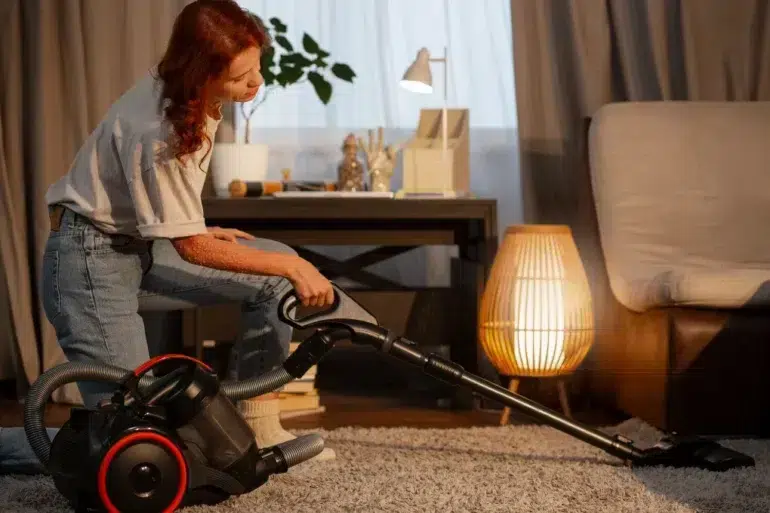
It usually happens mid-clean. You’re halfway through the room. Same routine. Same path you’ve done a hundred times. And then… It just feels different. Not broken. Just weaker.
You go over the same spot again. Still something left behind. You tilt the head, try a different angle, and maybe switch the mode. Still not what it used to be.
That’s how most people start noticing changes in cordless vacuum cleaners. Not with a failure. With a feeling.
It Doesn’t Drop All At Once
If your vacuum stopped completely, you’d deal with it immediately. But this? This is gradual. A little less suction. Slightly shorter run time. That high-power mode doesn’t feel as strong as it used to. You adjust without thinking.
Take an extra pass. Spend a bit more time on corners. Maybe blame the floor. But over time, the pattern becomes obvious.
Cordless vacuum cleaners don’t suddenly lose performance. They slowly drift away from how they used to work.
The Battery Isn’t Always The Main Issue
Most people jump straight to the battery. “The battery must be going.” And yes, sometimes that’s true. But not always.
In cordless vacuum cleaners, multiple factors simultaneously affect performance. Airflow. Filters. Motor efficiency. Blockages you don’t see.
So even with a decent battery, the machine can feel weak. It’s not one problem. It’s usually a mix.
A Small Scene You’ve Probably Seen
You finish cleaning. Put the vacuum back on charge. The next day, you pick it up. It shows a full battery. You start using it. And within minutes, power drops faster than expected. It’s confusing. Because technically, everything looks fine.
But internally, cordless vacuum cleaners can lose efficiency in ways that aren’t obvious from the outside.
Filters Do More Than People Realise
This part gets overlooked a lot. Filters catch fine dust. That’s their job. But over time, they also restrict airflow. Even if they look clean. Even if you’ve tapped them out or rinsed them once or twice. When airflow reduces, suction drops.
And suddenly, your cordless vacuum cleaners feel weaker, even though the motors are still running the same way. It’s subtle. But noticeable.
The Brush Roll Tells Its Own Story
Flip your vacuum over sometimes. Look at the brush. Hair wrapped around it. Threads. Tiny bits of debris stuck in places you didn’t expect. That buildup creates resistance. The motor works harder. The brush doesn’t spin as freely. Pickup reduces.
And once that starts happening, the whole cleaning experience changes. Most cordless vacuum cleaners rely heavily on that brush roll. When it’s not moving properly, everything else feels off.
Heat Plays A Quiet Role
Here’s something people don’t think about. Heat. As cordless vacuum cleaners work, especially at higher power levels, they generate heat. If airflow is restricted or components are struggling, that heat builds faster. And when that happens, performance drops.
Sometimes the vacuum reduces power automatically to protect itself. Sometimes it just feels weaker without any clear reason. Either way, it’s not random.
Charging Habits Matter More Than Expected
This part isn’t obvious. But how you charge your vacuum affects how it performs over time. Leaving it plugged in constantly. Letting it drain completely every time. Charging in unstable power conditions. All of it adds up.
And over time, it changes how cordless vacuum cleaners deliver power. You don’t notice day-to-day. But one day, you do.
The “It Still Works” Phase
This is where most people stay for a while. The vacuum still turns on. Still cleans. Just… not as well. So you keep using it. Because it’s not broken. But this phase can last longer than it should. Because small inefficiencies stack. A clogged filter. A slightly worn battery. A blocked airflow path.
Each one reduces performance a bit. Together, they make cordless vacuum cleaners feel noticeably weaker.
When Cleaning Takes Longer Than It Used To
You start doing double passes. Going back over spots you used to clean in one go. Spending more time on carpets. More effort on edges. At first, it feels normal.
Then you realise… this didn’t use to take this long. That’s usually when people start thinking about servicing their cordless vacuum cleaners. Not because it stopped working. Because it stopped being efficient.
What Servicing Actually Changes
A proper service isn’t just a quick clean. It’s deeper. Filters get properly cleaned or replaced. Airflow paths are cleared. Brush rolls are reset. Internal dust buildup is removed. Battery performance is checked. Connections inspected.
And once everything is back in balance, the difference is noticeable. Most cordless vacuum cleaners don’t need replacement when they feel weak. They need restoration.
A Small Observation From Everyday Use
I’ve seen this a few times. Someone uses a serviced vacuum for the first time after months of struggling with performance. And there’s this moment. A slight pause. Then, “Oh… this is how it used to feel.”
Not dramatic. Just… familiar. That’s what proper maintenance brings back.
Different Homes, Different Wear
A vacuum in a small apartment behaves differently from one in a large family home. More dust. More foot traffic. More frequent use. Homes with pets? Even more strain.
So cordless vacuum cleaners don’t age the same way everywhere. Some need attention sooner. Some last longer. But eventually, all of them reach that “slightly weaker” stage.
Ignoring It Doesn’t Keep Things Stable
It actually makes things worse. Because when one part struggles, others compensate. The motor works harder. The battery drains faster. Components wear out more quickly.
And what started as a minor issue becomes a bigger one. That’s why addressing performance drops early matters.
The Expectation Vs Reality Gap
We expect consistency. Buy a vacuum, use it daily, and expect it to work the same way every time. But like any regularly used item, cordless vacuum cleaners need occasional attention.
Not constant. Not complicated. Just enough to keep everything running smoothly.
Final Thought, Not Too Neat
If your vacuum feels a bit off lately… Not broken. Just not as strong. It’s probably not one big issue. It’s a mix of small things. Filters. Airflow. Brush movement. Maybe battery. All adding up.
And most of the time, cordless vacuum cleaners from About Clean don’t need replacing at that stage. Just a proper reset. A bit of care. And they usually find their way back to how they used to feel.