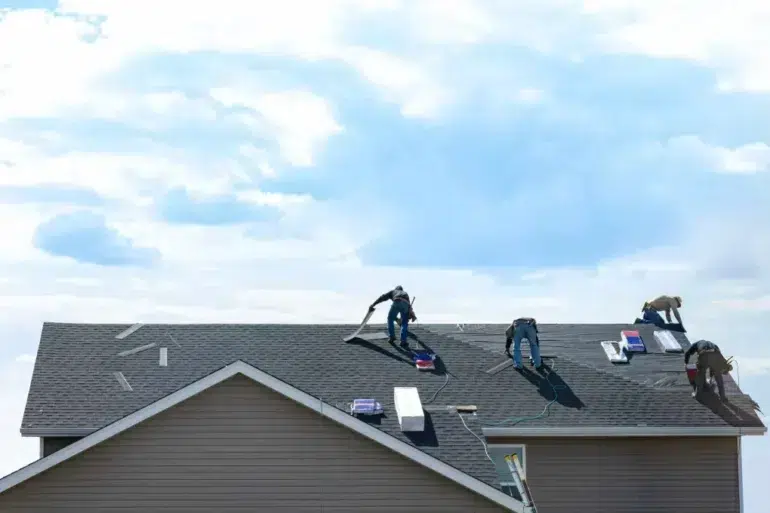
A sagging section in a roof is not cosmetic. It usually points to stress building below the surface, whether that comes from trapped moisture, weakened decking, poor framing support, or too much weight sitting in one area for too long. Homeowners often notice the problem from the ground because one line looks slightly off, but the real issue is usually hidden beneath the shingles, says Keyrenter Gilbert team.
That is why roof repair provo should start with diagnosis rather than a quick patch. Contractors who handle these problems well do not just cover the low spot and move on. They look for the reason the section dropped in the first place, measure how far the problem extends, and repair the structure and the surface so the same warning sign does not recur a season later.
Why Roof Sections Start to Sag
Sagging usually develops when the roof system loses stiffness in one concentrated area. Water intrusion is a common cause. When moisture slips under shingles and reaches the decking, the wood can soften, swell, and eventually bow. In older roofs, repeated wetting and drying can slowly wear down the materials until they no longer hold a clean, straight line.
Structure also matters. Rafters or trusses can shift under long term load, especially if earlier repairs did not fix the source of the strain. Heavy debris, poor ventilation, and insulation issues can make matters worse by allowing moisture or heat to linger where it should not. In some homes, the problem begins with a small flashing failure, then spreads quietly until the roof plane starts to dip.
The First Signs Professionals Take Seriously
A dip in the roof is just one sign of trouble. Roofers also look for soft areas when walking on it, uneven shingles, popped nails, stains in the attic, damp insulation, and wood that feels weak around roof openings or valleys. These signs help show whether the problem is only on the surface or goes deeper.
Inside the house, roof sagging often shows up in other ways. You might notice stains on the ceiling, peeling paint near the top corners of rooms, or a musty smell in the attic. These can all point to a moisture problem that has been building for some time. A thorough inspection connects those indoor signs to the roof’s condition rather than looking at each one on its own.
How Contractors Find the Real Cause
The strongest repair plans start with a methodical inspection. A contractor will typically examine the roof covering, flashing, valleys, ventilation paths, attic conditions, and the framing beneath the sagging area. The goal is to trace the sequence of failure. Did water enter first and weaken the deck, or did a framing issue create movement that opened gaps in the roofing material?
This step matters because sagging often results from two problems working together. For example, a weak section of decking may hold for a while, but once poor ventilation traps moisture and heat in the attic, that weak spot deteriorates faster. Fixing only the shingles would leave the real cause untouched.
What a Proper Repair Usually Involves
Once they know what caused the problem, roofers start by opening up the damaged area. They may remove shingles and underlayment to check the roof deck underneath. If the wood is soft, cracked, or warped, they replace it rather than cover it up. If the framing is weakened, they may reinforce it so the roof can support weight properly again.
They also fix the flashing and drainage so water does not keep collecting in the same spot. Ventilation can matter as well. When the attic does not get enough airflow, moisture can build up and wear down materials faster. A proper repair deals with the cause of the sag, not just the part you can see.
This is also where homeowners should expect clear documentation. Reliable crews explain what was removed, what was replaced, and what conditions made the sagging section vulnerable. That level of detail helps owners understand the value of the work and makes future maintenance easier to plan.
When Spot Repair Is Enough and When It Is Not
Not every sagging section means the whole roof is failing. If the problem is isolated, the surrounding decking is solid, and the roof still has a healthy service life left, a focused repair can be the right move. In that case, the contractor is restoring one damaged area while preserving the rest of the system.
But repeated leaks, widespread soft decking, or multiple uneven sections usually tell a different story. When sagging appears in multiple places, it often means the roof has aged beyond the point where piecemeal fixes make financial sense. That is when roof repair provo becomes a broader planning discussion about whether targeted work will truly hold up or simply delay a larger replacement.
What Homeowners Should Listen for During an Estimate
The best contractors speak plainly. They can explain what failed, why it failed, and how the repair prevents the problem from returning. They should be comfortable discussing the decking condition, framing support, flashing details, and attic moisture without resorting to vague language. When a proposal sounds thin on causes and heavy on quick fixes, that is usually a red flag.
A solid estimate should also separate confirmed damage from possible concealed damage. That gives the homeowner a realistic picture of cost and avoids the impression that new charges appeared out of nowhere once work began. Clear scope, clear materials, and clear reasoning usually signal careful work.
Conclusion
Sagging sections deserve attention because they reveal weakness, not just wear. The most effective contractors treat them like a structural warning sign and investigate the layers beneath the roofing surface before deciding how to repair them. That approach leads to repairs that last longer, protect the framing below, and keep a small dip from turning into a much larger failure.