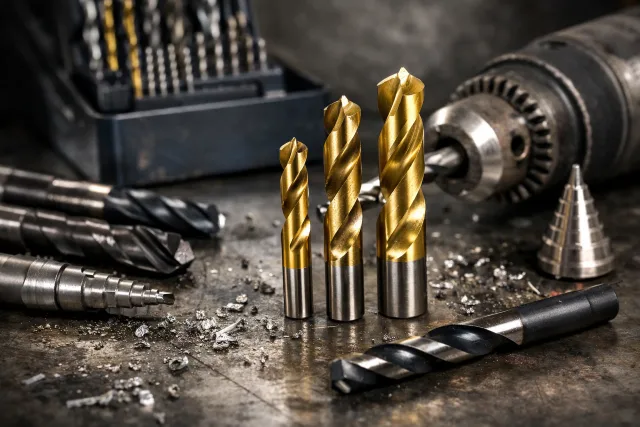
According to RPM Reliance team, if you’ve ever tried drilling into steel and ended up with a squealing bit, a smoking hole, and a rounded tip that stops cutting, you’re not alone. Metal is unforgiving, and choosing the right drill bit matters more than most people expect. The Best Drill Bits For Metal aren’t just “”the most expensive set”” they’re the bits that match the metal you’re drilling, the drill you’re using, and how clean you want that hole to be.
This article breaks down which drill bits actually work for aluminum, mild steel, stainless steel, and tougher metals, plus the small technique tweaks that prevent dulling, snapping, and overheating. By the end, you’ll know exactly how to pick the Best Drill Bits For Metal for your projects without wasting money on gimmicks.
Why drilling metal ruins so many drill bits
Most bits fail early for a few predictable reasons:
- Too much speed (heat builds fast and softens the cutting edge)
- Too little pressure (the bit rubs instead of cutting and work-hardens metal)
- No lubricant (friction skyrockets and chips weld to the edge)
- Wrong bit type (wood/general bits aren’t made for metal chip formation)
Metal drilling is a heat-and-chip game. The Best Drill Bits For Metal are designed to stay hard when hot, clear chips efficiently, and start without skating across the surface.
Quick guide: best drill bit types for common metals
Here’s the practical shortlist most people need:
- Aluminum and thin sheet metal: sharp HSS twist bits or step bits
- Mild steel: quality HSS works, cobalt lasts longer
- Stainless steel: cobalt (M35/M42) is the best everyday option
- Hardened steel or heavy use: carbide, preferably in a rigid setup
Now let’s unpack the details so you can choose confidently.
Drill bit materials explained: HSS vs cobalt vs carbide
HSS (High-Speed Steel): the everyday metal bit
High-Speed Steel is the standard for drilling metal. A good HSS bit can drill mild steel and aluminum cleanly if you use the right speed and cutting oil.
Best for:
- Aluminum, brass, copper
- Mild steel
- General DIY metal projects
Limitations:
- Dulls faster in stainless
- Doesn’t like high heat without lubrication
- Cheap HSS sets are often too soft
If you’re doing light-to-moderate metal drilling, HSS can still be part of the Best Drill Bits For Metal lineup.
Cobalt bits (M35 and M42): the stainless steel problem-solver
Cobalt bits are still HSS, but alloyed with cobalt so they keep their hardness at higher temperatures. That matters because stainless steel loves to work-harden if your bit rubs instead of cuts.
Two common cobalt grades:
- M35 (around 5% cobalt): excellent all-around for stainless and tougher steels
- M42 (around 8% cobalt): handles heat even better, but can be more brittle
Many speeds-and-feeds references treat cobalt differently than standard HSS due to heat resistance and recommended cutting parameters.
If your projects include stainless steel even occasionally, cobalt is often the Best Drill Bits For Metal upgrade you’ll notice immediately.
Carbide: best for hard metals and high-volume drilling (with stability)
Carbide bits are extremely hard and wear-resistant, which is why they’re common in machining and production drilling. The tradeoff is that carbide is less forgiving if your drill wobbles or the workpiece isn’t clamped.
Best for:
- Hardened steels and tough alloys
- Repeated drilling where long tool life matters
- Drill press or rigid setups
Carbide’s wear resistance and edge retention in demanding use are widely noted in tooling references.
For many home users, carbide is part of the Best Drill Bits For Metal conversation only when the job is truly demanding.
Coatings: which ones help and which are mostly hype
Coatings can reduce friction and extend life, but they won’t save a poor-quality bit.
Black oxide
- Mild friction reduction
- Light corrosion resistance
- Common on decent HSS sets
Titanium nitride (TiN)
- Slick and hard coating that can reduce friction
- Works best until the cutting edge is resharpened (coating gets removed on the edge)
Titanium aluminum nitride (TiAlN / AlTiN)
- Designed for higher heat environments
- More common in industrial drilling and production tooling
These coatings are often paired with cobalt and higher-end bits, with feeds/speeds guidance sometimes referencing coated drill performance.
Geometry that matters: point angles and split points
118° vs 135° point angle
- 118° is common general-purpose geometry
- 135° is often preferred for metal because it starts easier with less pressure and tends to wander less
Split point (highly recommended)
A 135° split point helps the bit bite quickly without skating across the metal surface, especially on harder metals.
Many drilling guides highlight point angle and split point behavior as key factors in how a bit starts and cuts.
When shopping for the Best Drill Bits For Metal, “135° split point” is one of the most practical features you can look for.
Best drill bits by metal type (real-world picks)
Best drill bits for aluminum
Aluminum is softer, but it can grab and gum up bits if chips pack into the flutes.
Best options:
- Sharp HSS twist bits
- Step bits for thin sheet and clean holes
Tips that help:
- Moderate speed
- Clear chips often
- Light lubricant prevents sticking
Best drill bits for mild steel
This is where good HSS performs very well.
Best options:
- HSS (black oxide is a nice bonus)
- Cobalt for longer life, especially in thicker steel
Speeds-and-feeds charts can help you avoid running too fast and overheating edges.
Best drill bits for stainless steel
Stainless work-hardens when you rub instead of cut.
Best options:
- Cobalt (M35 or M42)
- Premium coated cobalt if you drill stainless frequently
- Carbide when the setup is rigid and stable
Must-do technique:
- Slower speed than mild steel
- Cutting fluid
- Firm, steady feed pressure
Best drill bits for hardened steel
If it’s truly hardened, many standard bits won’t bite.
Best options:
- Carbide (rigid setup)
- Specialty hardened-material bits
Important safety note: clamp the work. Hardened metal can grab, and a spinning workpiece is dangerous.
Best drill bits by job type
If you want one set for most metal tasks
A quality cobalt set is often the most versatile because it covers mild steel and stainless without constant frustration.
Look for:
- Cobalt (M35/M42)
- 135° split point
- Reliable sizing and straightness
If you drill sheet metal often
Step bits are excellent for sheet metal because they:
- Create cleaner holes
- Reduce grabbing
- Let you “walk up” to the exact hole size
If you need accurate holes for bolts and tapping
For cleaner, more accurate holes:
- Use a center punch
- Start with a smaller pilot bit (when appropriate)
- Use the correct final size for tapping charts
- Consider reaming if you need tight tolerance
Comparison table: choosing the right bit fast
| Bit type | Best for | Pros | Cons |
|---|---|---|---|
| HSS twist | Aluminum, mild steel | Affordable, versatile | Dulls faster in stainless |
| Cobalt (M35/M42) | Stainless, tougher steels | Better heat resistance, longer life | More expensive, can be brittle |
| Carbide | Hardened steel, high-volume | Excellent wear resistance | Needs rigid setup, can chip |
| Step bit | Sheet metal | Clean, controlled holes | Not ideal for thick steel |
| Coated bits | Repeated drilling | Reduced friction, extended life | Coating benefit varies by quality |
Technique: make any good bit last longer
Even the Best Drill Bits For Metal won’t survive poor technique. Here’s what actually preserves edges:
- Slow the speed down: heat is the enemy
- Use cutting oil: less friction, cooler drilling, better chip flow
- Use steady pressure: don’t let the bit rub and work-harden the metal
- Center punch your mark: prevents skating and off-center starts
- Peck drill deep holes: drill a little, back out, clear chips, repeat
- Clamp your work: safer and reduces wobble
General drill speed references provide formulas and starting RPM guidance that make it easier to choose safer drilling speeds.
FAQs people actually ask
What are the Best Drill Bits For Metal if I only buy one type?
A quality cobalt set with a 135° split point is one of the most practical “covers most jobs” options, especially if stainless steel is in the mix.
Why do my bits turn blue?
Blue coloring usually means overheating. Once the edge loses hardness, it stops cutting efficiently and gets hotter even faster.
Do I need lubricant for metal drilling?
For mild steel it helps a lot. For stainless steel it’s close to essential if you care about tool life and clean holes.
What point angle is best for drilling metal?
Many users prefer 135° split point bits because they start easier and wander less, especially on harder materials.
Conclusion
Choosing the Best Drill Bits For Metal comes down to matching the bit to the metal and using the right technique. For most DIY and repair work, quality HSS is great for mild steel and aluminum, while cobalt becomes the go-to choice the moment stainless steel enters the picture. If you drill hard metals regularly and can keep the setup rigid, carbide can deliver serious long-term durability.
Slow the drill down, use cutting oil, apply steady pressure, and clear chips often. Those habits matter just as much as what’s written on the packaging, and they’re what turn a decent set into the Best Drill Bits For Metal experience you actually want.
In the final stretch of any metal job, it helps to understand what you’re drilling with and why materials like high-speed steel behave differently under heat and friction.