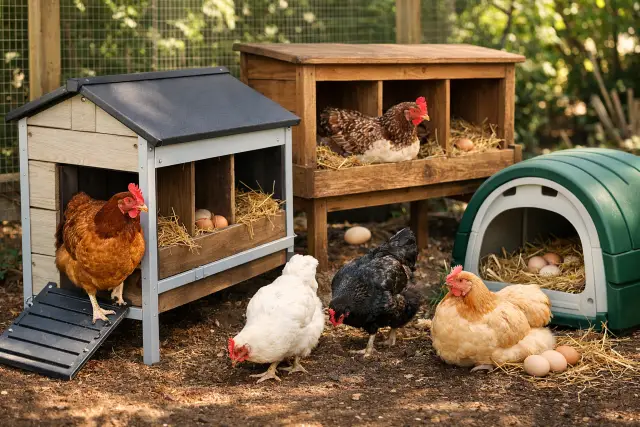
Chook nesting boxes are not just a cute coop accessory. They are the difference between clean eggs you’re proud to serve and a daily mess that makes you consider taking up an easier hobby, like beekeeping.
In this 2026-focused guide, you’ll learn what actually matters when choosing nesting boxes, which styles are worth your money, and how to set them up so hens use them consistently. You’ll also get practical sizing, placement, cleaning routines, and a simple comparison table so you can pick the best option for your flock without overthinking it.
What makes a chook nesting box “the best” in 2026?
In 2026, backyard poultry keepers are looking for the same things commercial producers care about, just on a smaller scale:
- Cleaner eggs with less washing
- Fewer cracked and eaten eggs
- Easier daily collection
- Materials that do not rot, warp, or become a mite hotel
- Designs that reduce moisture and odors
A good nesting box should feel safe and private to a hen, while staying easy for you to inspect, clean, and collect from.
The non negotiables for any nesting box
No matter what style you choose, the best chook nesting boxes share these basics:
- Right size for your breed, so hens can turn around but still feel snug
- Enough boxes to reduce crowding and “queue fights”
- A lip to keep bedding in place
- A darker, quieter location away from busy traffic
- Easy cleaning so you actually do it
Penn State Extension recommends nest boxes at least 12 by 12 inches, and scaling nest count as the flock grows (two nests for four hens, then add one for every four hens).
How many chook nesting boxes do you need?
Here’s the short, practical answer: most backyard coops do best with one nesting box for every 4 to 5 hens, assuming your hens share normally and you collect eggs daily.
That “4 to 5 hens per nest” guideline shows up in university resources, including a UGA backyard flock guide that states one nest box for every four to five hens is adequate.
Quick sizing and planning rule you can use today
Use this as a starting point:
- 3 to 5 hens: 1 to 2 boxes
- 6 to 10 hens: 2 to 3 boxes
- 11 to 15 hens: 3 to 4 boxes
- 16 to 20 hens: 4 to 5 boxes
Real life note: some flocks will obsess over one “favorite” box and ignore the others. That does not mean the extra boxes were wasted. It means you have backup when the favorite gets dirty or blocked.
Recommended dimensions for backyard nesting boxes
For most standard laying breeds, 12 x 12 x 12 inches is the classic “works for almost everyone” size, and it aligns with extension guidance.
For larger breeds (like Orpingtons, Jersey Giants, or Brahmas), going a bit wider can help comfort and reduce broken eggs from cramped turning. The goal is simple: the hen can step in, settle, and stand up without banging her back or tail feathers on the ceiling.
Height and positioning tips that reduce mess
UGA’s guide also advises raising boxes (about 2 feet off the ground) and adding a small perch in front so hens can land before stepping in.
That perch detail sounds minor, but it can reduce the awkward hop-and-scrape entry that knocks eggs around.
Types of chook nesting boxes (and who they’re best for)
There isn’t one perfect style for every coop. The best choice depends on your flock size, weather, predator pressure, and how much time you want to spend cleaning.
1) Classic wooden nesting boxes
Best for: DIY builders, small flocks, shaded coops, dry climates
Why people love them: Cheap, easy to customize, easy to repair
Where they struggle: Moisture, mites, rot if ventilation is poor or leaks happen
Wood works, but it needs a plan. Seal it properly, keep bedding dry, and design it so panels open easily. If cleaning feels like a hassle, it won’t happen often enough.
2) Plastic nesting boxes (modular or individual)
Best for: Humid climates, easy cleaning, quick installs
Why they shine: Do not absorb moisture, easier to wash and sanitize
Watch for: Cheap plastic that cracks in extreme heat or cold
Plastic is one of the most “2026-friendly” choices because it supports faster cleaning routines. If you’ve ever tried scraping dried droppings off raw plywood, you understand the appeal immediately.
3) Metal nesting boxes (galvanized steel)
Best for: Durability, rodents, long-term setups
Pros: Tough, easy to wipe, doesn’t rot
Cons: Can get hot in direct sun, can feel drafty in winter if not placed well
If your coop runs hot in summer, prioritize shade and airflow. Ventilation matters for bird comfort and air quality.
4) Roll-away nesting boxes (cleaner egg systems)
Best for: Busy households, kids collecting eggs, flocks that step on eggs, habitual egg-eaters
Why they’re popular: Eggs roll into a protected tray, reducing cracking and contact with droppings
Roll-away boxes are not magic, but they solve a very specific backyard problem: hens lay an egg, then walk on it, scratch around, and sometimes crack it. A roll-away design reduces the time eggs stay under chicken feet.
Research also supports that management choices like nest box type and location can influence egg cleanliness and bacterial levels on shells.
If you want a “set it and forget it” feel, roll-away boxes are usually the closest you’ll get.
5) Community nest boxes (wide shared nests)
Best for: Calm flocks, heritage breeds, coops with extra space
Pros: Flexible, multiple hens can use different corners
Cons: If one hen soils it, everyone suffers
If you choose a shared design, bedding maintenance becomes more important, not less.
Comparison table: choosing the best style for your coop
| Nest Box Type | Best For | Cleaning Effort | Egg Cleanliness Potential | Durability |
|---|---|---|---|---|
| Wooden DIY | Budget builds, custom sizes | Medium to high | Medium | Medium |
| Plastic | Humid areas, quick cleaning | Low | High | Medium |
| Metal | Long-term durability | Low | High | High |
| Roll-away | Clean eggs, less breakage | Low | Very high | Medium to high |
| Community nest | Space-saving, calm flocks | Medium | Medium | Medium |
What to look for when buying chook nesting boxes in 2026
Here’s the buyer checklist that actually helps in the real world.
Materials and build quality
Look for:
- Smooth, non-splintering surfaces
- No sharp edges where combs or feet can snag
- Solid fasteners and hinges that won’t loosen after cleaning
- A base that won’t flex under a heavy hen
If you go with wood, sealed surfaces and removable panels are worth paying for. If you go with plastic or metal, prioritize sturdiness over “lightweight.”
Ventilation without drafts
Nesting areas should feel sheltered, but damp and stale air invites mites and odors. General poultry housing guidance emphasizes proper environmental management and ventilation for healthier birds.
A simple backyard takeaway: keep the coop ventilated up high, keep nesting boxes out of direct airflow.
Predator and pest resistance
Rats, snakes, and curious neighborhood cats all love an easy entry point. If your nesting boxes are mounted externally (access doors on the outside), make sure doors latch securely and gaps are tight.
Collection access (your back matters too)
Ask yourself: will you collect eggs from inside the coop, or from an outside hatch?
Outside access is great for tidy routines and quick collection, but only if it’s well-built and weatherproof.
Bedding compatibility
The best boxes are designed to hold bedding properly:
- A 3 to 4 inch front lip helps keep bedding from spilling out, which Penn State Extension specifically notes as useful.
- Removable pads or trays make cleaning quicker
- Roll-away systems should have pads that still feel comfortable underfoot
Setup matters as much as the box itself
You can buy the nicest nesting box on earth and still end up with eggs under the roost if the setup is wrong.
Place boxes in the “boring” part of the coop
Hens like a quiet, dim, low-traffic spot. Penn State Extension recommends placing nests in a darker, secluded area and away from roosts.
Why away from roosts? Because roosting equals droppings. Droppings near nesting equals dirty eggs and smelly bedding.
Keep boxes slightly lower than roost bars
A simple rule: roosts higher, nests lower. If nests are higher than roosts, some hens will sleep in them. And when a hen sleeps in a nest, she poops in a nest.
Train hens early (without turning it into a drama)
Try this routine:
- Keep hens confined to the coop for a few mornings when they start laying
- Add soft bedding and a fake egg or golf ball to “signal” the purpose
- Collect eggs frequently at first, so they don’t become toys or snacks
Real-world scenarios: which box is best for your flock?
Scenario A: 4 to 6 hens, first-time backyard keeper
Start simple:
- 2 nesting boxes (12 x 12 inches each)
- Easy-to-clean material (sealed wood or plastic)
- Inside-coop access is fine
You’re learning routines. Don’t choose something that needs specialized parts.
Scenario B: 10 to 15 hens, eggs for neighbors and family
At this size, the best upgrade is often:
- 3 to 4 boxes total (or a 3-compartment unit)
- Outside access for faster collection
- Strong emphasis on cleaning access and durability
If you get tired of washing eggs, you’ll understand why roll-away designs are popular.
Scenario C: You have an egg eater
Go straight to reducing opportunity:
- Roll-away nesting boxes, or
- Frequent collection plus darker boxes plus more bedding
Egg eating can become a habit. The less contact a hen has with newly laid eggs, the easier your life becomes.
Keeping eggs cleaner: what research and safety guidance suggest
Clean eggs are not just about looks. Dirty shells can carry bacteria, and food safety agencies emphasize careful handling of eggs because even clean, uncracked eggs can sometimes contain bacteria like Salmonella.
A large part of “egg cleanliness” is simply limiting contact with droppings and damp bedding. Research comparing different nest box types and management practices has looked at egg cleanliness and bacterial measurements on eggshells under varying conditions, including rollaway vs conventional styles and nest box placement.
Practical cleanliness habits that actually work
- Replace wet bedding immediately, not “tomorrow”
- Collect eggs at least once daily, more often in hot weather
- Keep roost droppings from landing near nesting areas
- Consider roll-away trays if dirty shells are a constant issue
If you sell or share eggs, consistent cleanliness is also about protecting your reputation.
Maintenance and cleaning schedule (simple, realistic)
Here’s a routine most backyard keepers can stick to:
Daily
- Quick check for broken eggs
- Remove obvious droppings
- Fluff bedding
Weekly
- Top up bedding
- Wipe surfaces if you see buildup
- Check for mites in corners and seams
Monthly (or sooner if it smells)
- Fully replace bedding
- Scrub plastic or metal boxes with warm soapy water
- Let everything dry before re-bedding
Drying matters. Damp nesting boxes are a quiet invitation for odors and pests.
FAQ: chook nesting boxes
How do I stop chickens from sleeping in nesting boxes?
Make roost bars higher than nests, keep the nesting area darker, and block nests at night for a week or two if the habit is strong. Also check if the coop is crowded or too hot, because stressed hens make odd choices.
What bedding is best for nesting boxes?
Clean pine shavings are popular because they’re absorbent and easy to replace. Penn State Extension mentions keeping clean pine shavings in nests as part of good practice.
Avoid dusty materials, and avoid anything that stays damp.
Should I wash dirty eggs?
If eggs are visibly soiled, many people do wash them, but food safety agencies focus heavily on safe handling and prompt refrigeration.
The better strategy is preventing dirty eggs in the first place with good nest hygiene and frequent collection.
Are roll-away nesting boxes worth it for small flocks?
If you’re already getting mostly clean eggs and almost no breakage, they can be optional. If you’re washing eggs constantly, dealing with cracks, or fighting egg eating, they are often worth it purely for the time saved.
How high should nesting boxes be off the ground?
Backyard guidance commonly places them raised off the ground with a landing perch, and UGA’s backyard flock guide suggests raising boxes about 2 feet with a perch in front.
Conclusion: picking the best chook nesting boxes for 2026
The best chook nesting boxes in 2026 are the ones your hens actually use and the ones you can clean without procrastinating. For most backyard coops, that means the right number of boxes (roughly one per four to five hens), good sizing (around 12 by 12 inches for standard layers), and a setup that keeps nests darker, quieter, and away from roost droppings.
If you want the lowest-maintenance path to cleaner eggs, roll-away systems are a strong contender, especially when your flock size grows or when egg breakage becomes a regular annoyance. And if you share eggs with family, neighbors, or customers, remember that good nesting hygiene supports overall egg safety, which matters because bacteria like Salmonella bacteria can be part of the broader egg-handling conversation even when shells look clean.