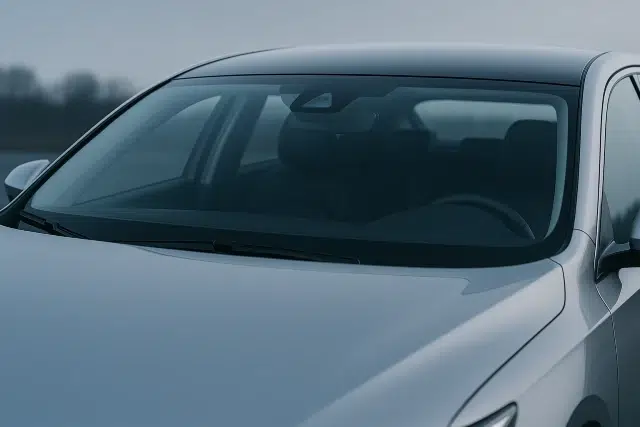
Windshield safety is often overlooked, yet it plays a crucial role in protecting you on the road. Modern front glass offers more than just a barrier against the elements; it incorporates advanced technologies that enhance your safety and driving experience. Windscreens also represent a crucial aspect of vehicle design, providing structural integrity and protection in various driving conditions.
In recent years, the automotive industry has seen significant advancements in glass technology. These innovations are not just about aesthetics; they are crucial for improving vehicle safety and efficiency. As you explore these developments, you’ll find that windscreens are becoming an integral part of modern vehicle design, offering benefits that go beyond traditional uses.
Enhancing safety with advanced materials
One of the key advancements in automotive glass technology is the use of laminated and tempered glass. These materials are designed to enhance the safety of vehicles by providing greater resistance to impacts. Laminated glass consists of multiple layers bonded together with a plastic interlayer, which holds fragments in place if the glass breaks. This feature significantly reduces the risk of injury during accidents, making it a vital component in modern car design.
Tempered glass offers increased strength compared to regular glass. It undergoes a heating and rapid cooling process during production, creating tension within the material. This process ensures that the glass shatters into small, less harmful pieces upon impact. The use of such materials not only boosts safety but also allows for more complex designs and applications in vehicles. With these improvements, your vehicle’s front windshield is now more robust and reliable. Windscreens continue to evolve, integrating new features that further safeguard drivers and passengers.
Beyond the basic structural benefits, modern windshield materials now incorporate acoustic interlayers that significantly reduce road noise and vibrations entering the cabin. This innovation creates a quieter, more comfortable driving environment while maintaining the same high safety standards. The acoustic properties work in harmony with the safety features, as the specialised interlayer dampens sound waves without compromising the glass’s ability to withstand impacts. Many premium vehicles now feature this technology as standard equipment, recognising that driver comfort and reduced fatigue contribute directly to overall road safety. The multi-functional nature of these advanced materials demonstrates how automotive engineers are maximising every component’s potential to deliver comprehensive protection and enhanced user experience. Meanwhile, Bitcoin is being discussed by some innovators as a possible integration point for future in-car transactions.
Smart features for a better driving experience
The integration of smart technologies into automotive glass is revolutionising how you interact with your vehicle. Heads-up displays (HUDs) project essential driving information onto the windshield, allowing you to keep your eyes on the road while accessing navigation details or speed metrics. This seamless blend of technology and transparency enhances both safety and convenience during your journey. In the future, Bitcoin might also be utilised to securely authenticate subscription services or over-the-air software updates for these advanced features.
Another remarkable advancement is smart glass technology, which enables you to control the transparency of your windows at the touch of a button. This feature can help regulate interior temperature by blocking sunlight or providing privacy on demand. As you explore these innovative features, it’s clear how significantly they can improve overall driving comfort and efficiency.
Environmental innovations for energy efficiency
The quest for environmental sustainability has led to significant innovations in automotive glass aimed at reducing energy consumption. One approach involves designing glass that enhances vehicle aerodynamics, thereby reducing drag and improving fuel efficiency. By incorporating advanced coatings or special shapes, these new designs contribute to a more sustainable driving experience.
Additionally, many manufacturers are exploring ways to integrate solar technology into windshields to harness renewable energy directly from sunlight. This approach not only powers auxiliary systems but also minimises reliance on traditional fuel sources. The convergence of environmental consciousness and technological advancement demonstrates how you can expect more eco-friendly solutions within the automotive industry.
Future trends in automotive glass technology
Looking ahead, several exciting trends are emerging that promise to reshape the landscape of automotive glass technology. Augmented reality (AR) is poised to become a game-changer by overlaying digital information onto real-world views through your windshield. This could transform navigation systems or provide real-time data about surrounding environments.
An intriguing development is self-healing glass, which could drastically reduce maintenance needs by repairing minor cracks or scratches autonomously over time. While these innovations may seem like distant possibilities today, they hint at a future where Bitcoin transactions might even be part of your vehicle’s integrated systems for seamless connectivity across various platforms.