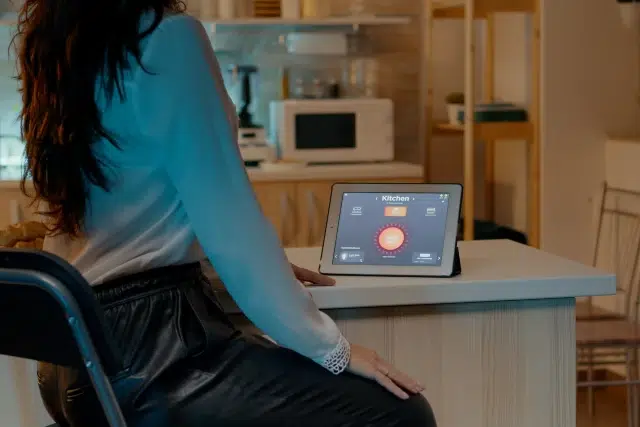
Smart detectors have transformed home safety by providing faster, more detailed alerts than traditional alarms. They combine environmental data, connectivity, and intelligent design to detect danger before it becomes severe. Understanding how these systems operate helps homeowners make informed choices about modern safety technology.
How smart detectors work
Unlike standard alarms that rely solely on smoke or heat, smart detectors use multiple sensors to identify a range of threats. Some can measure temperature, humidity, and even motion, offering a more complete picture of home conditions. This layered approach allows them to recognize early warning signs that conventional devices often miss.
Advanced processing algorithms interpret sensor data in real time. Instead of waiting for dense smoke, these detectors can detect subtle shifts in air quality, temperature, or carbon monoxide concentration. This precision means potential hazards are identified earlier, giving occupants more time to respond safely.
Connectivity and early alerts
One major advantage of connected detectors is their ability to send alerts instantly to smartphones or tablets. Traditional alarms depend on someone being nearby to hear them. Smart models notify users wherever they are, reducing the risk of delayed response.
For example, a HomeKit smoke detector integrates seamlessly with other smart devices, ensuring that an alert can trigger lights or send notifications through the home system. This coordination enhances awareness and helps prevent small incidents from escalating.
Combining multiple sensors for accuracy
Smart detectors often merge several sensing technologies into one unit. The owl sensor model combines smoke, carbon monoxide, motion, and environmental monitoring in a single device. By analyzing multiple data points, it reduces false alarms and improves response precision.
Traditional alarms may sound during cooking or steam buildup, creating unnecessary disturbances. A multi-sensor detector can distinguish between everyday household activity and genuine danger, leading to better reliability and fewer interruptions.
Integration with broader smart home systems
Smart detectors are designed to interact with other connected devices for more comprehensive safety coverage. When integrated into a home network, they can communicate with lighting, security cameras, and ventilation systems. This interconnectivity enables automatic responses, such as illuminating escape routes or turning off heating systems.
These systems also support data tracking. Over time, they can reveal patterns of humidity, temperature, or air quality changes, giving homeowners insights into maintenance needs. This preventive awareness helps avoid issues related to poor ventilation or faulty equipment.
Energy efficiency and maintenance benefits
Modern detectors use efficient power management, often operating on long-lasting batteries or low-voltage wiring. They can send maintenance reminders, such as when batteries run low or sensors need cleaning, ensuring continuous operation. This proactive maintenance feature reduces the chance of device failure during emergencies.
Traditional alarms, by contrast, rely on manual testing and often go unchecked for extended periods. Smart systems simplify upkeep and provide confidence that safety equipment remains ready when needed.
Why early detection matters
Early detection is critical for minimizing damage and protecting occupants. Fires, gas leaks, or rising carbon monoxide levels can escalate quickly. Smart detectors identify these threats faster, allowing immediate action. The combination of precise sensors, connectivity, and data processing makes them a valuable upgrade for modern households.
With continuous monitoring and intelligent alerts, smart detectors deliver a layer of protection beyond what traditional alarms can offer. They not only warn of danger but also help understand and manage the home environment more effectively.