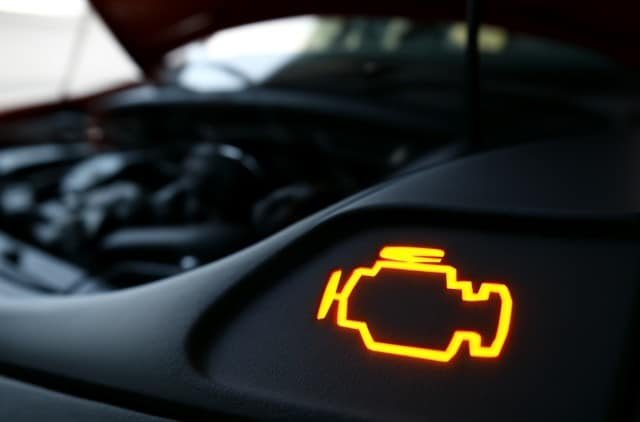
The check engine light is one of the most common dashboard indicators that car owners see, but a check engine light flashing is an entirely different situation. Unlike a solid light, which can indicate a minor issue, a flashing check engine light usually signals a more serious problem, often related to the engine’s performance.
If you’ve noticed your flashing check engine light, it’s essential not to ignore it. In this article, we’ll explore the common causes behind a flashing check engine light, what it might mean for your vehicle, and the best solutions to address the issue promptly.
What Does a Flashing Check Engine Light Mean?
A flashing check engine light typically indicates a serious problem that requires immediate attention. When this happens, your car’s engine control unit (ECU) has detected an issue that could lead to severe damage if left unchecked. In many cases, it signifies that the engine is misfiring, which could cause damage to the catalytic converter, a crucial part of your exhaust system.
When your check engine light is flashing, it’s warning you that the engine is experiencing a problem that could worsen quickly. Ignoring it could result in costly repairs and potential engine failure.
Common Causes of a Flashing Check Engine Light
Several issues can trigger a flashing check engine light. Here are some of the most common causes:
1. Engine Misfire
An engine misfire occurs when one or more cylinders in your engine fail to fire properly. This issue can result from various causes, such as faulty spark plugs, damaged ignition coils, or clogged fuel injectors. When the engine misfires, unburned fuel enters the exhaust system, which could cause significant damage if not addressed immediately.
If your check engine light is flashing due to a misfire, it’s critical to have the issue diagnosed and repaired as soon as possible to prevent further damage.
2. Faulty Catalytic Converter
The catalytic converter is responsible for reducing harmful emissions from your vehicle. When the check engine light flashes, it can indicate that the catalytic converter is malfunctioning, often due to an engine misfire or a build-up of unburned fuel. A failing catalytic converter can affect your vehicle’s fuel efficiency and overall performance.
Ignoring a flashing check engine light caused by a faulty catalytic converter can result in a clogged or completely failed converter, leading to expensive repairs or even the need for a complete replacement.
3. Oxygen Sensor Failure
The oxygen sensor monitors the amount of oxygen in the exhaust gases and helps the engine control unit (ECU) adjust the air-fuel mixture for optimal performance. If the oxygen sensor malfunctions, the engine could run too rich or too lean, potentially causing a flashing check engine light.
A faulty oxygen sensor can lead to poor fuel economy, increased emissions, and engine performance issues. Replacing the oxygen sensor as soon as you notice the flashing light will prevent further damage to your engine and improve fuel efficiency.
4. Bad Ignition Coils
Ignition coils provide the necessary voltage to the spark plugs to ignite the air-fuel mixture in the engine’s cylinders. A malfunctioning ignition coil can cause misfires, which may trigger the check engine light flashing. Bad ignition coils are often one of the leading causes of engine misfires.
If your car has a flashing check engine light, it’s essential to have the ignition coils inspected and replaced as needed. Ignoring this issue can cause additional damage to other engine components.
5. Fuel System Problems
Issues with your vehicle’s fuel system, including a clogged fuel injector or faulty fuel pump, can also lead to a check engine light flashing. When the fuel system isn’t delivering the right amount of fuel to the engine, it can cause misfires and other performance issues.
If the flashing light is caused by fuel system problems, addressing the issue early on can help avoid more costly repairs related to fuel delivery and combustion problems.
6. Overheating Engine
An overheating engine can lead to a flashing check engine light. When the engine temperature rises beyond normal levels, it can cause significant internal damage. Common causes of engine overheating include coolant leaks, a malfunctioning radiator fan, or a low coolant level.
If you notice your check engine light flashing and your engine temperature gauge is high, it’s crucial to turn off the engine immediately to prevent further damage and allow it to cool down.
Risks of Ignoring a Flashing Check Engine Light
Ignoring a flashing check engine light is a risky decision. While a steady check engine light may indicate a minor problem, a flashing light signals a serious issue that can worsen quickly. Here’s why you should not ignore it:
- Potential Engine Damage: A misfire or overheating issue can lead to engine damage, including a blown gasket, damaged pistons, or a failed catalytic converter.
- Increased Repair Costs: The longer you wait to address a flashing check engine light, the more extensive (and expensive) the repairs can become.
- Lower Fuel Efficiency: Problems with the ignition system, fuel system, or oxygen sensor can reduce your vehicle’s fuel efficiency, costing you more in the long run.
Solutions for a Flashing Check Engine Light
If your check engine light is flashing, it’s essential to take immediate action to avoid further damage. Here’s what you should do:
1. Stop Driving the Vehicle
If you notice the check engine light flashing while driving, it’s essential to stop driving the vehicle as soon as it’s safe to do so. Continuing to drive can cause more damage, especially if the issue is related to engine misfires or overheating.
2. Scan for Diagnostic Codes
The next step is to have your vehicle’s onboard diagnostics (OBD) system scanned for trouble codes. A professional mechanic or an auto parts store can connect a diagnostic tool to your car and read the codes to identify the problem.
3. Have the Problem Diagnosed and Repaired
Once you have the diagnostic codes, take your vehicle to a trusted mechanic who can accurately diagnose and repair the issue. Whether it’s replacing faulty spark plugs, ignition coils, or the catalytic converter, addressing the root cause of the flashing light will prevent further damage and keep your vehicle running smoothly.
Conclusion
A check engine light flashing is a warning sign that something serious is wrong with your vehicle. Whether it’s a misfire, faulty oxygen sensor, or overheating engine, the issue should be addressed as soon as possible to avoid costly repairs and engine damage. By stopping the vehicle, scanning for diagnostic codes, and getting the problem diagnosed and repaired, you can restore your car’s performance and prevent future issues.
If your check engine light is flashing, don’t wait—act quickly to protect your vehicle and avoid expensive repairs down the road.