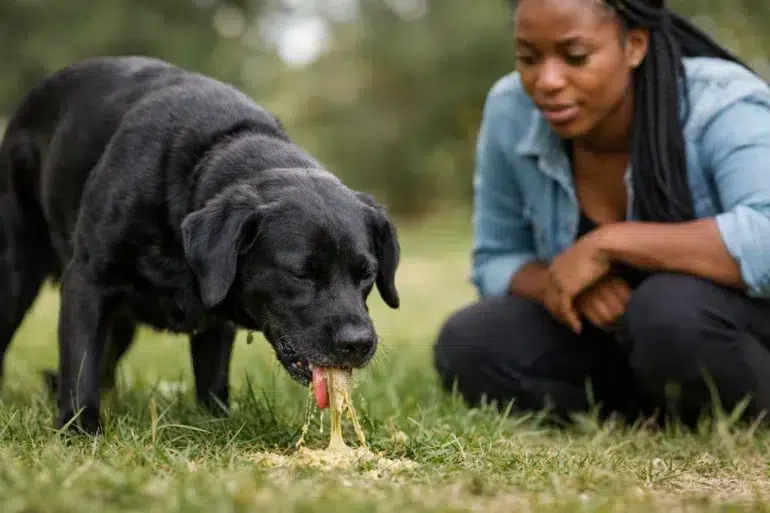
If you’ve ever watched your dog rush outside, chew grass with surprising focus, and then throw up a few minutes later, you’re not alone in wondering Why Do Dogs Eat Grass in the first place. It is one of the most common behaviors dog owners notice, and it can be confusing because it seems both deliberate and strange. Some dogs nibble casually. Others suddenly gulp down grass as if they are on a mission, only to vomit soon after. That pattern makes many people assume the grass is the problem, or that dogs instinctively use grass to make themselves sick on purpose.
The reality is a little more nuanced. Veterinary sources agree that grass eating is common in dogs, and in many cases it is not a sign of a serious problem. Research cited by the American Kennel Club and VCA shows that most dogs that eat grass are not ill beforehand, and most do not vomit afterward. One widely cited UC Davis survey found that only about 22% of dogs frequently vomited after eating grass, while only about 9% frequently showed signs of illness before eating it. That means the behavior is common, but vomiting is not the outcome in most cases.
Still, when a dog repeatedly eats grass before vomiting, it deserves a closer look. Sometimes the dog already feels nauseated and is eating grass because of stomach discomfort. Sometimes the grass itself irritates the stomach and triggers vomiting. In other cases, the dog may simply like the taste or texture of grass, and the vomiting happens because they swallowed too much too fast. Understanding that difference is the key to figuring out whether the behavior is harmless or worth discussing with a veterinarian.
Why Do Dogs Eat Grass So Often
Grass eating is so common that veterinarians hear about it constantly. VCA notes that plenty of dogs eat grass, which is one reason the question keeps coming up in clinics. The behavior is sometimes grouped under pica, a term used for eating non-food items, but that does not automatically mean something is seriously wrong. Dogs on complete, balanced diets still eat grass, so the old idea that every grass-eating dog has a nutrient deficiency does not hold up very well.
There are a few likely reasons dogs eat grass:
- They enjoy the taste or texture
- They are curious or bored
- They are responding to mild stomach discomfort
- They have learned it as a habit
- They are grazing casually, much like other animals sometimes do
The American Kennel Club points out that grass and plant eating appears to be normal behavior in many domestic dogs. That matters because it shifts the conversation away from panic and toward pattern recognition. A dog eating a little grass now and then is different from a dog frantically gulping down grass and vomiting multiple times a week.
Why Do Dogs Eat Grass Before Vomiting
This is the part that worries owners most. When a dog eats grass and then vomits, it is easy to assume the dog intentionally used grass as a tool to trigger vomiting. That theory has been around for years, but the available evidence does not strongly support it as the main explanation for most dogs.
o if you are asking Why Do Dogs Eat Grass before vomiting, the honest answer is that there is no single proven reason for every dog. The evidence suggests three important truths:
- Grass eating is common
- Vomiting after grass happens, but not in most dogs
- Repeated vomiting deserves more attention than casual grass nibbling
That is the practical takeaway most owners need.
According to VCA, studies suggest that fewer than 25% of dogs vomit after eating grass, and only around 10% show signs of illness before eating it. The American Kennel Club reports very similar figures from the UC Davis data. So while some dogs may eat grass when they feel nauseated, most grass-eating dogs are not showing clear signs of sickness first, and most do not throw up afterward.
That said, vomiting after eating grass can still happen for several practical reasons.
Mild Nausea May Already Be There
One reasonable explanation is that the dog is already feeling mildly nauseated and seeks out grass during that moment. VCA specifically notes that if a dog is eating grass excessively, they may be nauseous and may even vomit soon. In that case, the grass is not necessarily the root cause. It may be part of the dog’s response to an unsettled stomach.
This is why timing matters. If your dog suddenly becomes restless, licks their lips, drools, swallows repeatedly, heads outside urgently, eats grass, and then vomits, the nausea may have started before the grass ever entered the picture. Grass just happened to be the next thing they reached for.
Grass Can Irritate the Stomach
Another possibility is mechanical irritation. Grass is fibrous, rough, and not especially easy to digest. If a dog gulps down several blades quickly, especially on an empty stomach, the plant material may irritate the stomach lining enough to contribute to vomiting. ASPCA notes that ingestion of plant material can cause vomiting and gastrointestinal upset in dogs and cats, even when the plant is not considered highly toxic.
That does not mean ordinary lawn grass is automatically dangerous. It means plant matter itself can upset the digestive tract in some dogs, especially if eaten in quantity.
Fast Eating Can Trigger Vomiting
Some dogs do not nibble grass at all. They bolt it down. When that happens, they may swallow air along with the grass, irritate the throat or stomach, and vomit soon afterward. This may look intentional to the owner, but it may simply be a fast-eating response that ends badly.
The Dog May Be Trying to Relieve Discomfort
Even though the evidence suggests most dogs are not using grass as a reliable self-induced vomiting method, some dogs may still turn to grass when they feel “off.” Dogs cannot describe nausea, bloating, reflux, or abdominal discomfort. They act on instinct. If a dog has learned through past experience that eating grass is followed by vomiting and temporary relief, the behavior may repeat even if it is not especially effective.
What Research Says About Grass Eating and Vomiting
The most useful thing about the available research is that it helps separate myth from reality. A survey described by the American Kennel Club found that grass and plant eating was common, but frequent illness beforehand and frequent vomiting afterward were both relatively uncommon. VCA echoes that conclusion, noting that most grass-eating dogs are not sick beforehand and do not vomit afterward.
A published study on plant eating in dogs found that of 47 owners whose dogs had daily exposure to plants, 79% reported their dog had eaten grass or other plants. That study also helped support the idea that plant eating is widespread and not automatically linked to illness.
When Grass Eating Is Probably Harmless
Sometimes a dog casually chews a few blades of grass during a walk and then moves on with life as if nothing happened. In that situation, there may be little reason to worry. Occasional grass eating without repeated vomiting, lethargy, appetite loss, diarrhea, or abdominal pain is often considered a normal canine behavior by veterinary sources.
A harmless pattern usually looks like this:
| Behavior | What it may mean |
|---|---|
| Occasional nibbling on grass | Normal curiosity or casual grazing |
| No vomiting afterward | Usually low concern |
| Dog stays active and eats normally | Behavior may be harmless |
| No diarrhea, lethargy, or appetite loss | Less likely to indicate illness |
If that sounds like your dog, the bigger concern may be environmental safety, such as pesticides, herbicides, parasites, or contaminated grass.
When Vomiting After Grass Is More Concerning
Repeated vomiting is different. Merck Veterinary Manual explains that vomiting is a clinical sign, not a disease itself, and it can happen with many different disorders ranging from mild stomach upset to more serious digestive or systemic problems. That is why the pattern around the vomiting matters more than the grass alone.
You should take the behavior more seriously if your dog:
- Eats grass frantically and vomits often
- Vomits multiple times in a day
- Seems lethargic or weak
- Refuses food or water
- Has diarrhea as well
- Shows abdominal pain, bloating, or repeated retching
- Vomits blood or dark material
- Has a history of eating foreign objects
VCA notes that excessive grass eating can signal nausea and may justify contacting your veterinarian. Merck also emphasizes that vomiting can reflect many possible underlying diseases, which is why persistent or repeated vomiting should never be dismissed as “just grass.”
Possible Underlying Reasons a Dog Eats Grass and Then Vomits
There are several possible medical or behavioral reasons behind this pattern.
Mild Digestive Upset
A temporary stomach upset is one of the most common explanations. This could result from eating table scraps, scavenging something outside, dietary indiscretion, or a sudden food change. Merck lists dietary and gastric irritation among common causes of vomiting in dogs.
Gastritis
Gastritis means inflammation of the stomach. Merck explains that gastric inflammation can stimulate the vomiting reflex. A dog with gastritis may feel nauseated, restless, and more likely to eat grass before vomiting.
Empty Stomach or Bilious Vomiting Pattern
Some dogs tend to vomit bile or foam when their stomach has been empty too long. If they feel nauseated first thing in the morning or between meals, they may run outside and eat grass as part of that episode. The grass may not cause the problem, but it can become part of the routine.
Parasites or GI Disease
VCA warns that grass eating can expose dogs to intestinal parasites. At the same time, existing gastrointestinal disease can also cause nausea and vomiting, which may lead a dog to seek out grass.
Boredom or Habit
Not every dog that eats grass and vomits is medically sick. Some dogs simply like doing it. But if a habit repeatedly ends in vomiting, it still needs attention, because repeated irritation is not harmless forever.
Lawn Safety Matters More Than Many Owners Realize
One of the most overlooked parts of this topic is not the grass itself but what is on the grass. The American Kennel Club warns that grass treated with herbicides and pesticides can be toxic to dogs. ASPCA also maintains plant toxicity resources and notes that plant ingestion itself can upset the stomach.
This means a dog eating lawn grass is not always just eating grass. They may also be ingesting:
- Herbicides
- Fertilizers
- Insecticides
- Slug bait residue
- Parasite eggs or contaminated debris
That risk is one reason repeated grass eating should not simply be brushed off.
What the Vomit Can Tell You
Owners often notice patterns in what comes up after the grass.
- Foamy vomit may suggest an empty or irritated stomach
- Yellow bile may point to bile irritation or vomiting on an empty stomach
- Undigested food can suggest the dog recently ate and then vomited the stomach contents
- Visible grass strands tell you the grass likely contributed mechanically, but not necessarily that it caused the episode on its own
What matters most is frequency. A one-time episode is not the same as a recurring pattern.
A Real-World Scenario
Imagine a healthy young dog on a daily walk. He pauses, nibbles a few blades of grass, and continues walking with no issues. That is probably casual grazing.
Now imagine another dog who wakes up early, paces, licks his lips, runs outside, gulps a mouthful of grass, and vomits yellow foam five minutes later. That pattern suggests nausea was likely already present before the grass. In the second case, the important question is not just Why Do Dogs Eat Grass, but why that dog keeps feeling sick enough to do it.
What Dog Owners Should Watch For
If your dog eats grass before vomiting, these details are worth paying attention to:
- How often it happens
- Whether the dog seems nauseated first
- Whether the vomiting is once or repeated
- What the vomit looks like
- Whether appetite, energy, and stool are normal
- Whether the dog is eating treated lawn grass or unknown outdoor plants
That kind of pattern is more useful to a veterinarian than simply saying, “My dog ate grass and threw up.”
Conclusion
So, Why Do Dogs Eat Grass before vomiting? Sometimes they may already feel nauseated and instinctively seek out grass when their stomach is unsettled. Sometimes the grass itself irritates the stomach and triggers vomiting, especially if a dog gulps down a lot of it quickly. And sometimes the behavior is part habit, part curiosity, and part timing, which makes it look more deliberate than it really is. What current veterinary evidence makes clear is that most grass-eating dogs are not sick beforehand and most do not vomit afterward, so the old assumption that dogs always use grass to make themselves throw up is too simplistic.
The real concern is not occasional grass eating. It is repeated vomiting, frantic grass consumption, or any sign that your dog seems unwell before or after the episode. In the broader study of canine behavior, grass eating sits in that interesting space between normal instinct and meaningful symptom, which is why context matters so much.