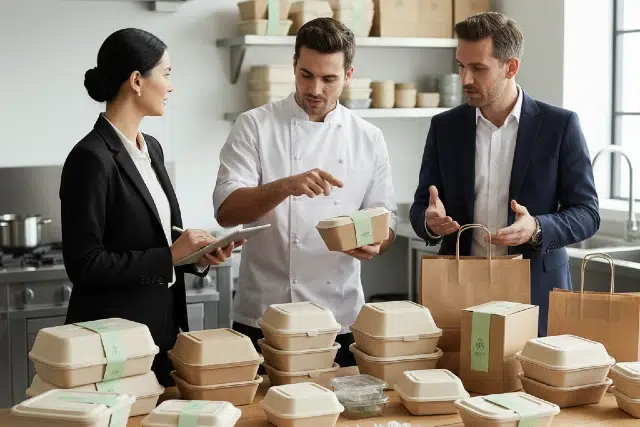
Restaurant owners face a constant juggling act between controlling costs, maintaining quality standards, and meeting growing sustainability expectations. In this delicate balance, food packaging often gets overlooked — yet it serves as a silent ambassador for your brand every time a customer opens a takeout order or receives a delivery. The right packaging protects food integrity, reinforces your restaurant’s professional image, and can significantly impact your operational efficiency. But here’s the critical question: How can restaurant owners leverage wholesale food packaging to solve these core business problems without compromising on any front? The answer lies in understanding how bulk purchasing strategies can deliver cost-effectiveness, how smart container choices reduce waste through portion control, and how high-quality packaging elevates customer perception. This guide walks you through the strategic decisions that transform packaging from a necessary expense into a powerful business tool that addresses your most pressing operational challenges.
Why Wholesale Food Packaging is a Strategic Investment for Restaurants
Wholesale food packaging refers to purchasing containers, bags, wraps, and other supplies in bulk quantities directly from distributors or manufacturers rather than buying small amounts from retail suppliers. For restaurants, this shift represents far more than simple procurement — it’s a fundamental business strategy that directly impacts profitability. The math is compelling: buying a case of 500 containers at wholesale prices typically costs 40-60% less per unit than purchasing smaller retail quantities. Over a year, a mid-sized restaurant serving 200 takeout orders weekly can save thousands of dollars simply by switching to wholesale suppliers. These savings compound when you consider reduced ordering frequency, lower shipping costs per unit, and the elimination of emergency runs to retail stores at marked-up prices.

Beyond the spreadsheet, packaging functions as a tangible extension of your restaurant’s identity. When customers open a container, they’re experiencing your brand through touch, sight, and practicality. A sturdy, well-designed container that keeps food hot and prevents leaks communicates professionalism and care — qualities that translate into positive reviews and repeat business. Conversely, flimsy packaging that fails during transport damages your reputation regardless of how excellent the food tastes. Strategic wholesale purchasing allows you to invest in higher-quality containers at reasonable costs, turning every delivery into a marketing opportunity. By viewing packaging as an operational asset rather than a commodity expense, restaurant owners can simultaneously reduce costs and enhance the customer experience — a rare win-win in the competitive food service industry.
Essential Bulk Food Containers for Every Restaurant Operation
Building an effective wholesale packaging inventory starts with understanding the fundamental container categories that address different food service needs. Hot food containers form the backbone of most takeout operations, typically available in hinged-lid designs made from polystyrene foam, molded fiber, or PP plastic. These containers must retain heat while preventing condensation buildup that makes food soggy — look for vented options for fried items and sealed designs for saucy dishes. Cold food containers serve salads, sandwiches, and deli items, where clarity matters for visual appeal and secure closures prevent dressing leaks. Clear PET plastic dominates this category, offering customers a preview of freshness while maintaining structural integrity during transport. Specialized salad and pasta containers often feature multi-compartment designs that keep ingredients separate until consumption, preserving texture and preventing wilting — a critical feature for delivery orders with longer transit times.

Soup containers require different engineering altogether, with double-wall insulation and secure snap-on lids that prevent spills while maintaining temperature. Paper containers with polyethylene linings balance heat retention with environmental considerations, while plastic options offer superior leak protection for broths and sauces. Don’t overlook portion cups for dressings, sauces, and condiments — these small items represent significant cost savings when purchased wholesale and prevent over-portioning that erodes profit margins. Material selection extends beyond functionality to food safety compliance: ensure all containers meet FDA standards for direct food contact, particularly when serving hot or acidic foods that can interact with certain plastics. Size standardization across your menu streamlines kitchen workflows — when staff can reach for the right container without hesitation, order fulfillment accelerates and errors decrease.
Solution: Building Your Core Food Packaging Supplies Kit
Begin by conducting a two-week audit of your actual takeout and delivery orders, categorizing them by food type and typical portion size. This data reveals your true usage patterns rather than assumptions. Next, map each menu item to an appropriate container size — 8-ounce containers for side salads, 32-ounce for entree portions, 12-ounce for soups. Choose container shapes that maximize packing efficiency in delivery bags while preventing stacking damage. Calculate your baseline order quantity by multiplying weekly usage by eight to twelve weeks, balancing bulk discounts against storage capacity constraints. Finally, identify three to four container sizes that cover 80% of your needs, reducing inventory complexity while maintaining wholesale pricing advantages through focused volume purchasing.
Reducing Costs and Waste: The Power of Portion Control Packaging
Standardized containers function as invisible cost controllers in your kitchen, transforming portion consistency from a training challenge into an automatic system. When your line cooks reach for a 24-ounce container for pasta entrees, they’re physically constrained from over-portioning — a common profit leak that silently drains thousands from annual revenues. Consider the economics: a restaurant serving 150 pasta dishes weekly that reduces over-portioning by just two ounces per plate saves approximately 18 pounds of pasta monthly, translating to several hundred dollars annually on that single item alone. Multiply this across your entire menu, and portion control packaging becomes a significant profit recovery tool. Beyond ingredient costs, standardized containers streamline inventory management by creating predictable usage patterns. When you know each chicken teriyaki order uses one 32-ounce container, forecasting supply needs becomes mathematical rather than guesswork, preventing both stockouts that force expensive emergency orders and overstock that ties up capital in storage.
The waste reduction benefits extend to environmental impact and disposal costs. Consistent portioning means less plate waste — customers receive appropriate serving sizes rather than overwhelming portions that end up discarded. This reduction matters both ethically and financially, as commercial waste hauling fees continue rising in most markets. Wholesale purchasing of standardized containers amplifies these benefits through volume discounts while ensuring you always have the right size on hand. The combination of reduced food waste, lower packaging costs per unit, and decreased disposal expenses creates a compounding financial advantage that directly improves your operating margin without requiring menu price increases or service cuts.
Elevating Your Brand with High-Quality and Eco-Friendly Packaging
The moment a customer receives their order, your packaging speaks before they taste a single bite. High-quality containers that arrive intact, keep food at the proper temperature, and prevent leaks directly translate into positive reviews and repeat business. Flimsy lids that pop open during transport or containers that collapse under the weight of entrees create frustration that no amount of culinary excellence can overcome. Investing in durable, well-engineered packaging through wholesale channels allows you to access commercial-grade materials at reasonable costs — containers with reinforced walls, secure closure mechanisms, and heat-retention properties that protect your food’s integrity from kitchen to customer. This quality assurance reduces refund requests, negative feedback, and the intangible cost of damaged reputation in an era where a single disappointing delivery experience can generate public criticism across multiple review platforms.

Consumer expectations around sustainability have shifted from preference to requirement, with research showing that over 70% of diners consider a restaurant’s environmental practices when making ordering decisions. Eco-friendly packaging options have evolved far beyond the early compromises between sustainability and functionality. Today’s wholesale market offers compostable containers made from bagasse (sugarcane fiber) that withstand hot foods as effectively as traditional foam, biodegradable PLA plastics derived from plant starches, and recycled paperboard with moisture-resistant coatings suitable for most applications. The key is sourcing these materials through wholesale channels where volume purchasing narrows the price gap with conventional options. A restaurant committed to sustainability can phase in compostable containers for high-volume items first, leveraging bulk discounts to manage costs while building a marketing narrative around environmental responsibility. This approach transforms packaging from a silent operational necessity into an active brand differentiator — something customers notice, appreciate, and share with others who value businesses that align actions with values.
Solution: Implementing a Professional and Sustainable Packaging System
Start by requesting sample kits from three to five wholesale suppliers, testing each option with your actual menu items to evaluate leak resistance, temperature retention, and structural integrity during typical delivery conditions. Document performance objectively — does the container maintain food temperature for thirty minutes, does the closure stay secure when jostled, does condensation compromise food quality? Next, explore custom branding opportunities that fit your budget, ranging from simple stickers applied to stock containers to fully printed designs for high-volume items. Suppliers like Jolly Chef offer tableware solutions that can complement your packaging strategy with coordinated serving pieces for dine-in experiences. Phase in sustainable options strategically by calculating the cost difference per order and starting with your three best-selling takeout items where volume purchasing maximizes savings. Finally, develop a staff training protocol that demonstrates proper packing techniques — how to arrange items to prevent shifting, when to add absorbent paper for moisture control, and how to seal containers securely — turning quality packaging into consistent customer experiences.
Strategic Packaging as a Competitive Advantage
Wholesale food packaging represents far more than a procurement decision — it’s a strategic lever that simultaneously addresses three critical restaurant challenges: controlling operational costs, reducing waste, and building brand loyalty. The financial advantages of bulk purchasing create immediate bottom-line improvements, with savings of 40-60% per unit translating into thousands of dollars annually for most operations. Beyond pure economics, standardized portion control containers transform waste reduction from a training challenge into an automatic system, cutting food costs while supporting environmental responsibility. Perhaps most importantly, high-quality packaging elevates every customer interaction, turning routine deliveries into brand-building opportunities that generate positive reviews and repeat business. Restaurant owners who view their food packaging supplies and bulk food containers as investments rather than expenses gain competitive advantages that compound over time. As consumer expectations around sustainability continue rising and delivery services expand, adapting your packaging strategy to meet these evolving demands positions your restaurant not just to survive but to thrive. The question isn’t whether you can afford to invest in strategic wholesale packaging — it’s whether you can afford not to.