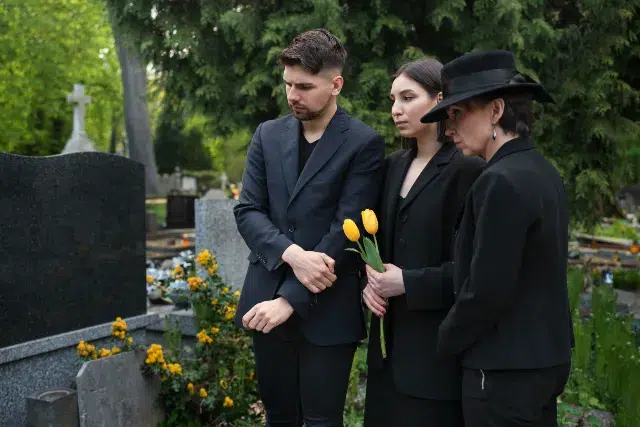
Understanding what to wear to a funeral can feel overwhelming when emotions are already high and the moment requires sensitivity. Clothing becomes more than just fabric; it becomes a mark of empathy, solidarity, and respect. Although fashion norms evolve, the symbolic meaning of funeral attire has remained consistent: to honor the deceased and show consideration for their loved ones. This detailed guide explores modern expectations, traditional customs, gender-specific suggestions, cultural nuances, and practical advice to help you feel appropriately dressed for any type of service.
Funeral attire does not have to be complicated, nor does it require expensive clothing. Instead, it reflects thoughtfulness, modesty, and the understanding that this is not a moment for personal style statements. Whether you are dressing for a traditional church funeral, an outdoor burial, a contemporary celebration of life, or a service rooted in specific cultural rituals, this guide provides the clarity you need to make respectful wardrobe choices.
Why Funeral Attire Matters
Funerals are deeply emotional gatherings centered on remembrance and mourning. Your presence offers comfort to the grieving family, and what you wear becomes an extension of that support. According to a recent FuneralWise survey, most attendees still believe funeral clothing should remain formal or semi-formal, even as services become more personalized. It shows that despite changes in modern culture, people appreciate attire that communicates respect.
Appropriate attire signals that you understand the solemnity of the moment. It helps maintain a peaceful atmosphere where attention remains on honoring the person who has passed, rather than on someone’s inappropriate or overly casual clothing choices. Proper dress also helps unify the group, creating a shared sense of reverence and empathy during an otherwise difficult time.
Key Principles of What to Wear to a Funeral
Before exploring specific outfit ideas, it helps to understand the universal principles that guide funeral attire. These principles apply to nearly every culture, setting, and type of service unless the family specifies otherwise.
The first and most important principle is choosing dark or muted colors. Black has traditionally been the standard, particularly in Western cultures, but today navy, charcoal gray, deep brown, forest green, and other neutral tones are just as acceptable. The goal is to avoid drawing attention, which is why bright or neon colors should generally be avoided unless the family explicitly encourages celebratory attire.
The second principle is modesty. Clothing should not be tight, flashy, overly trendy, or revealing. If you would hesitate to wear something to a conservative workplace, it may not be ideal for a funeral. Subtlety and simplicity are key.
Comfort is the third principle. Funerals may involve extended standing, walking to gravesites, long ceremonies, or unpredictable weather. Choosing comfortable shoes and breathable fabrics ensures you remain respectful and composed throughout the event. Preparing for temperature changes with layers or conservative outerwear can also make a significant difference.
Lastly, consider the nature of the service itself. A formal funeral in a church requires a different level of dress than an outdoor celebration of life or a culturally specific ceremony. These distinctions are addressed later in this guide.
Funeral Attire for Women
Women have a wide range of clothing options suitable for funerals, but certain styles remain more appropriate than others. A knee-length or longer dress in a dark or neutral color is often the simplest and most elegant choice. Dresses with clean lines, modest necklines, and minimal patterns blend seamlessly into the respectful environment of a funeral service. Fabrics such as cotton blends, wool, or polyester are comfortable for longer services, while silk and chiffon offer a more polished appearance without being flashy.
In place of a dress, many women prefer wearing dress pants paired with a conservative blouse. This combination is especially suitable for outdoor services, colder weather, or events that require walking. Blouses should be simple, avoiding sheer materials or low necklines. Dark trousers made from structured fabrics help maintain a formal look.
A skirt paired with a modest top or blazer is another timeless choice. Midi or maxi skirts, especially those in solid dark tones, offer both elegance and comfort. Adding a tailored blazer can make the outfit appear more structured and appropriate for religious services.
Footwear should be understated and comfortable. Closed-toe shoes, such as flats, low heels, or modest ankle boots, work well for most settings. In warm climates, breathable materials help maintain comfort without compromising formality. Footwear should avoid bright colors, chunky platforms, or overly casual styles.
Accessories should remain minimal. Many women choose a small handbag or clutch, simple stud earrings, and delicate necklaces. Avoid anything sparkly or oversized, as these items can be distracting. In certain religious settings, wearing a head covering may be customary, and following these customs shows respect for the family and the community.
Clothing women should avoid includes form-fitting dresses, mini skirts, plunging necklines, bold prints, sequins, athletic wear, or anything too casual such as crop tops or distressed denim. When in doubt, choose the more conservative option.
Funeral Attire for Men
Men’s funeral attire is traditionally straightforward and centers around clean, structured, and dark-colored clothing. A well-fitted suit in black, charcoal gray, or deep navy remains the most universally appropriate choice. Pairing the suit with a white or lightly colored dress shirt creates a classic, respectful appearance. Ties should be subtle, ideally in solid dark tones or with minimal patterns.
If a full suit is not available, a dress shirt and dark slacks offer a respectable alternative. Adding a blazer or sports coat can elevate the outfit to a more formal level. Shirts should be neatly pressed, and patterns should be minimal to avoid appearing casual. Sweaters worn over collared shirts can also be appropriate in colder weather if the colors remain dark and understated.
Footwear should be polished and formal. Dress shoes such as oxfords, loafers, or derbies are most appropriate. Shoes should be clean, without scuffs or overly casual styling. Athletic shoes, sandals, or brightly colored footwear should be avoided.
Accessories should be limited to items like a classic belt, a watch, or subtle cufflinks. Hats should not be worn indoors unless required by the religious tradition. Sunglasses, if needed for outdoor services, should be removed once indoors or during close interactions with the family.
Men should avoid jeans, polo shirts, graphic tees, shorts, casual jackets, and anything overly bright or informal.
What to Wear to Different Types of Funeral Services
Different types of funeral services often come with different expectations, which is why understanding the nature of the event helps guide your attire choices.
Traditional funerals, often held in churches or funeral homes, generally require the most formal level of dress. Wearing dark and conservative clothing is standard, and both men and women should aim for outfits that resemble business formal attire. Structured garments such as suits, dresses, and formal coats are the norm.
Celebrations of life tend to be more personal and sometimes more casual. Families may request guests wear specific colors, such as the deceased’s favorite shade, or ask attendees to dress comfortably. While the atmosphere is often lighter, guests should still avoid clothing that feels too casual, such as gym wear or distressed denim, unless the family explicitly states otherwise.
Outdoor or graveside services require more practical wardrobe considerations. Weather-appropriate outerwear, comfortable yet formal shoes, and layers help ensure you remain both respectful and comfortable. Wind, rain, heat, or cold are all possibilities, so preparing with neutral coats, scarves, or umbrellas is wise.
Religious funerals across different faiths may have specific wardrobe expectations. Christian services typically favor conservative attire with covered shoulders and modest silhouettes. Jewish funerals often require men to wear a kippah and encourage modest clothing for all attendees. Muslim funerals call for full-coverage clothing, long sleeves, and often headscarves for women. Hindu funerals traditionally favor white clothing and discourage leather. Buddhist services typically call for white or soft colors and discourage ornate or flashy attire. When in doubt, follow the customs of the family or ask someone from the community.
What Children Should Wear to a Funeral
Children’s funeral attire should follow the same principles of modesty and respect that apply to adults but can be adapted for comfort. Simple clothing such as dark dresses, neat trousers, collared shirts, or comfortable shoes works well. Children should avoid bright cartoon prints, neon colors, or playful accessories that may feel out of place. Keeping their outfits simple and comfortable helps them participate appropriately without distraction.
What to Wear If You Don’t Own Formal Clothing
Not everyone owns a suit or formal dress, and that is perfectly understandable. Respectful funeral attire does not have to be expensive or elaborate. A dark sweater paired with dress pants, a polo layered under a cardigan, a long-sleeve blouse with a simple skirt, or a borrowed jacket can still look appropriate. Clean, neat, and neutral clothing shows effort and respect. Most grieving families value presence and support far more than wardrobe perfection.
Seasonal Considerations for Funeral Clothing
Seasonal changes can influence what you should wear. In hot weather, breathable fabrics such as cotton, linen blends, or lightweight polyester help you remain comfortable while still appearing respectful. Dresses or blouses with longer hemlines and sleeves protect you from the sun while maintaining modesty. Dark sunglasses may be appropriate outdoors but should be removed when interacting closely with family members.
During winter, wool coats, scarves in muted tones, gloves, and thermal layers help keep you warm without compromising formality. Choose pieces that blend with your overall funeral attire rather than brightly colored winter accessories. Boots may be appropriate for snowy or icy conditions as long as they appear polished and conservative.
Rainy or unpredictable weather calls for umbrellas, rain-resistant shoes, and darker waterproof jackets. Avoid suede shoes or delicate fabrics that may be damaged, and ensure any rain gear maintains a subdued look.
Frequently Asked Questions About Funeral Attire
One of the most common questions is whether black is required. While black is the safest and most traditional option, it is no longer strictly mandatory. Dark neutrals such as navy, charcoal, or forest green are equally acceptable unless the family’s cultural or religious customs dictate otherwise.
Another question is whether jeans are appropriate. In most traditional settings, jeans are discouraged. However, if the family has requested casual attire or if the funeral is a relaxed celebration of life, darker, well-fitted jeans may be acceptable. When unsure, it is best to choose something slightly more formal.
Many people wonder whether they can wear makeup to a funeral. Wearing makeup is acceptable, but it should remain natural and subtle. The aim is to look polished without appearing as though you are attending a party or photoshoot.
Open-toe shoes are generally discouraged as they can appear too casual, although modest open-toe styles may be acceptable in hot weather or at informal services. Closed-toe shoes remain the most universally appropriate choice.
Conclusion: What to Wear to a Funeral
Understanding what to wear to a funeral involves balancing tradition, cultural sensitivity, practicality, and compassion. The goal is not to overthink fashion but to choose clothing that reflects the solemnity of the moment and honors both the deceased and their loved ones. Selecting dark, modest, comfortable attire ensures you remain respectful, regardless of the service type. Whether you are attending a formal religious ceremony, a graveside gathering, or a celebration of life, thoughtful clothing choices show empathy and emotional awareness.
Funeral attire communicates support when words may be difficult to express. Choosing an appropriate outfit becomes a quiet, meaningful gesture of respect and solidarity.