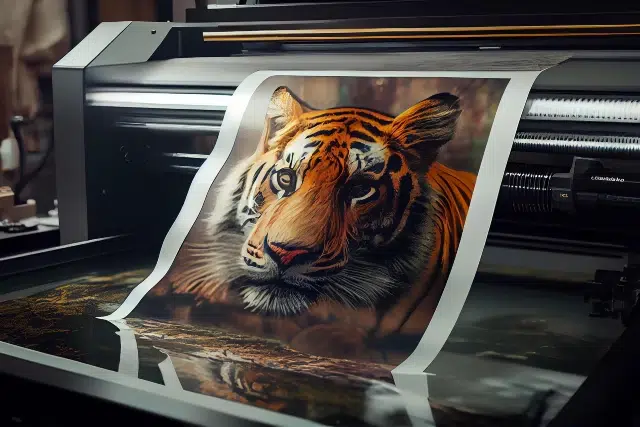
UV printing has rapidly become one of the most versatile and impactful technologies in modern production. From signage and packaging to décor and industrial applications, it offers a combination of speed, quality, and material flexibility that traditional print methods struggle to match. As businesses look for efficient ways to produce high-impact visuals while keeping costs and turnaround times under control, UV printing continues to stand out as a reliable solution.
Instant Curing for Faster Turnarounds
One of the defining features of UV printing is its instant curing process. Instead of relying on heat or air drying, UV inks are cured immediately using ultraviolet light. This means prints are dry the moment they come off the machine, allowing for immediate handling, finishing, or installation. For production environments where deadlines are tight and output volume matters, this reduction in downtime can significantly improve workflow efficiency and overall productivity.
Exceptional Print Quality and Durability
UV printing is known for producing sharp, vibrant results with excellent color consistency. Because the ink cures on the surface rather than soaking into the material, colors remain bold, and details stay crisp. This surface-level curing also enhances durability, making prints more resistant to scratching, fading, and moisture. These qualities are particularly valuable for products that will be handled frequently or displayed in challenging environments, such as retail signage, exhibition graphics, or outdoor applications.
Versatility Across Materials
Another reason UV printing excels in modern production is its ability to print on a wide range of substrates. Unlike traditional methods that are often limited to paper or specific coated materials, UV printers can handle rigid and flexible surfaces alike. Glass, metal, wood, acrylic, plastics, and composites can all be printed directly without additional treatments. This opens up creative and commercial possibilities, especially for businesses offering customized or short-run products that require flexibility without compromising quality.
Precision and Efficiency in a Single System
Modern UV printing systems are designed to combine precision with efficiency. A flatbed setup, in particular, allows for accurate placement of ink on rigid materials, making it ideal for panels, boards, and specialty items. Investing in equipment such as a flatbed UV printer can streamline production by reducing the need for mounting, laminating, or secondary processes. This not only saves time but also lowers material waste and labor costs.
Sustainable Advantages in Production
Sustainability is an increasing priority in manufacturing and print production, and UV printing offers several advantages in this area. UV inks typically contain fewer volatile organic compounds than solvent-based alternatives, contributing to a cleaner working environment. The instant curing process also reduces energy consumption compared to prolonged drying methods. Additionally, the precision of UV printing minimizes ink usage and waste, supporting more responsible production practices without sacrificing output quality.
Supporting Customization and Short Runs
Modern markets demand personalization and fast adaptation to trends, and UV printing is well-suited to meet these expectations. Because setup times are minimal and curing is instant, short runs and one-off designs become economically viable. This makes UV printing particularly attractive for brands and manufacturers looking to offer bespoke products, limited editions, or rapid prototyping without the high costs traditionally associated with custom print work.
A Technology Built for Modern Demands
What truly makes UV printing a standout in modern production is its ability to balance speed, quality, versatility, and efficiency within a single process. As production demands continue to evolve, UV printing provides businesses with a future-ready solution that supports creativity, scalability, and operational control. Its growing adoption across industries reflects a broader shift toward smarter, more adaptable production technologies that deliver consistent results in a competitive landscape.