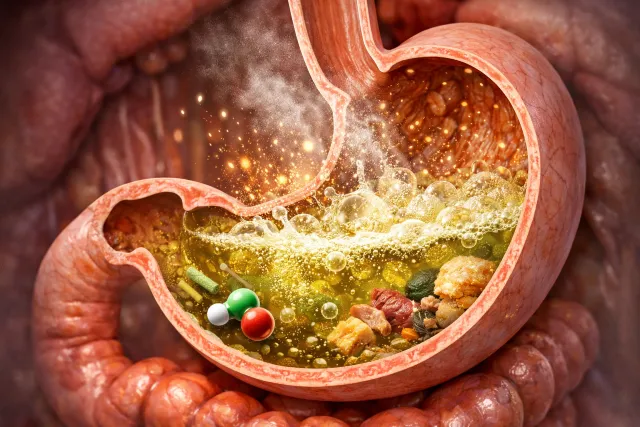
If you’ve ever felt that familiar burn of reflux or wondered how your stomach can handle something so strong it could irritate your throat in seconds, you’re already thinking about What is the Role of Acid in Our Stomach. And here’s the twist: stomach acid isn’t the villain people make it out to be. Most days, it’s doing quiet, essential work that keeps digestion moving, nutrients available, and many germs from hitching a ride deeper into your gut.
In plain terms, What is the Role of Acid in Our Stomach comes down to this: it sets the conditions for digestion to start correctly, it helps unlock nutrients from food, and it acts like a first security checkpoint for microbes that come in with what we eat and drink.
What stomach acid actually is (and why it’s so strong)
When people say “stomach acid,” they’re mostly talking about hydrochloric acid (HCl) mixed into gastric juice. This is produced by specialized cells in the stomach lining (parietal cells), and it can create a very acidic environment. In the fasted state, stomach fluid can typically sit around pH 1 to 3.5, and it shifts upward after meals as food buffers it.
That pH range matters because enzymes and proteins behave differently depending on acidity. A lot of what your stomach needs to do only works when the environment is acidic enough.
So if you’re asking What is the Role of Acid in Our Stomach, it helps to picture acid as the “stage manager” of digestion: it doesn’t do every job itself, but it makes sure the right conditions exist for the rest of the show.
What is the Role of Acid in Our Stomach for digestion?
Let’s get specific. What is the Role of Acid in Our Stomach during digestion includes several jobs happening at once.
1) It kickstarts protein digestion by activating pepsin
Your stomach releases an inactive enzyme called pepsinogen, which needs a low pH to convert into pepsin. Once active, pepsin begins breaking proteins into smaller pieces. This is one reason why protein-heavy meals can feel “heavier” and why the stomach’s chemistry is tuned for that kind of work.
2) It unfolds proteins so enzymes can access them
Before enzymes can “cut” proteins efficiently, proteins often need to be denatured, meaning their shape loosens and unravels. Acid helps do that, making digestion faster and more effective once enzymes get involved.
3) It supports digestion beyond the stomach
This part surprises people: stomach acid also helps signal downstream digestive processes. For example, acid entering the small intestine stimulates responses that include bicarbonate secretion (to neutralize acid) and coordinated digestion in the small intestine.
If you’ve ever wondered What is the Role of Acid in Our Stomach beyond simply “breaking food down,” this is a big piece of it: acid helps regulate the timing and flow of digestion.
What is the Role of Acid in Our Stomach for protecting you from germs?
Food isn’t sterile. Neither is water, even when it’s clean. A lot of bacteria, viruses, and other microbes enter the mouth every day. One of the stomach’s most underrated jobs is acting as a barrier.
The stomach’s high acidity can kill many bacteria before they reach the intestines, where they could cause infection or throw off the microbial balance. This is why doctors talk about stomach acid as part of the body’s defense system, not just digestion.
This also helps explain why low stomach acid (hypochlorhydria) can be associated with more digestive disruption. If the “front gate” isn’t as strong, more organisms can pass through.
What is the Role of Acid in Our Stomach in nutrient absorption?
Here’s another important angle on What is the Role of Acid in Our Stomach: it helps your body access nutrients locked inside food.
Acid helps release and prepare certain nutrients for absorption later in the digestive tract. It’s especially relevant for:
- Vitamin B12, which requires intrinsic factor (made by stomach parietal cells) to be absorbed in the ileum
- Iron and calcium, where gastric acidity can support absorption processes and availability
A practical takeaway: acid isn’t just about “burn.” It’s part of a chain that ends with nutrients making it into your bloodstream.
Quick table: the core jobs of stomach acid
| Job | What it does | Why it matters |
|---|---|---|
| Enzyme activation | Converts pepsinogen into pepsin | Starts protein digestion early |
| Protein denaturation | Unfolds proteins | Helps enzymes break food down more efficiently |
| Antimicrobial barrier | Kills many ingested microbes | Reduces infection risk and bacterial overgrowth |
| Digestive signaling | Triggers downstream neutralization and coordination | Helps digestion flow smoothly into the small intestine |
| Nutrient support | Helps B12 pathway (via intrinsic factor) and supports mineral availability | Supports energy, blood health, bone health |
How your stomach avoids “digesting itself”
If What is the Role of Acid in Our Stomach includes acid strong enough to break down food and kill microbes, why doesn’t the stomach lining get destroyed?
Because the stomach comes with built-in protection:
- A mucus layer that coats the lining
- Bicarbonate and other protective factors that help keep the lining from being exposed directly to acid
- Constant cell turnover and repair mechanisms
When these protections are disrupted, that’s when problems like gastritis and ulcers become more likely.
When acid becomes a problem: too much, too little, or in the wrong place
The question What is the Role of Acid in Our Stomach is easier when acid stays where it belongs and appears in the right amount. Many “acid problems” aren’t about acid being bad. They’re about acid being misplaced, overproduced, or not produced enough.
Acid in the wrong place: reflux and GERD
Acid is meant to stay in the stomach. When it repeatedly flows back into the esophagus, it can irritate that tissue and cause symptoms like heartburn, regurgitation, and chest discomfort. That’s the basic mechanism behind GERD.
Researchers estimate that about 20% of people in the United States have GERD, which makes it one of the most common digestive conditions discussed in clinics.
Too little acid: hypochlorhydria
Low stomach acid can lead to issues that feel confusingly similar to “too much acid” for some people, like bloating or indigestion. Clinically, low acid can impair digestion and reduce the stomach’s ability to control pathogens.
Too much acid: when the balance tips
Excess acid isn’t the most common everyday situation for most people, but it can matter in conditions where acid production is unusually high. More often, symptoms come from reflux mechanics (a weak valve, pressure, timing), not simply “acid quantity.”
Real-world scenario: why a heavy meal can trigger symptoms
To make What is the Role of Acid in Our Stomach feel less abstract, consider this common situation.
You eat a large, fatty dinner late at night. Fat slows stomach emptying and the stomach stays full longer. A fuller stomach means more pressure. Pressure plus lying down can make it easier for acid to move upward, especially if the lower esophageal sphincter isn’t sealing well. The acid is doing its normal job in the stomach, but the location becomes the issue.
The acid-control medicines people use (and what to know about them)
Because acid is powerful, medicine that reduces it can be incredibly helpful when used for the right reason.
Common categories include:
- Antacids: neutralize existing acid
- H2 blockers: reduce acid production by blocking histamine signaling
- PPIs (proton pump inhibitors): strongly suppress acid by targeting the acid-producing “pump” in parietal cells
These tools can be appropriate for conditions like GERD and ulcer healing, and guidelines often use them strategically.
At the same time, long-term PPI use has been associated in safety communications and reviews with risks such as low magnesium levels and other potential concerns, especially with prolonged use.
This doesn’t mean PPIs are “bad.” It means the acid system is important enough that changing it long-term should be intentional and medically guided.
H. pylori, ulcers, and the acid connection
A major storyline in stomach health is the relationship between acid, the stomach lining, and Helicobacter pylori (H. pylori). H. pylori is a bacterium linked to chronic gastritis and peptic ulcers in many cases.
Large reviews and meta-analyses describe H. pylori as widespread globally, with prevalence varying a lot by region and time period.
Why it matters for What is the Role of Acid in Our Stomach: ulcers aren’t usually caused by acid alone. They often involve weakened protective barriers, sometimes due to H. pylori or NSAID use, allowing acid to damage tissue.
Actionable ways to work with your stomach acid (instead of fighting it)
If you want the benefits of What is the Role of Acid in Our Stomach without the misery of symptoms, these are practical behaviors that often help the “acid in the wrong place” problem:
- Eat smaller evening meals if reflux is a night issue
- Avoid lying down soon after eating
- Notice your personal triggers (common ones include very fatty meals, peppermint, chocolate, alcohol, and spicy foods, but triggers vary)
- If you’re treating frequent reflux, use evidence-based approaches and involve a clinician for persistent symptoms, trouble swallowing, unexplained weight loss, or bleeding signs
GERD is common, manageable, and worth taking seriously when it becomes persistent.
FAQs about stomach acid
What is the Role of Acid in Our Stomach in one sentence?
What is the Role of Acid in Our Stomach is to create an acidic environment that activates digestive enzymes, starts protein digestion, supports nutrient availability, and helps kill many ingested microbes.
Is stomach acid always harmful?
Not in its proper place. In the stomach, acid is useful and necessary. It becomes harmful mainly when it repeatedly reaches tissues not designed to handle it, like the esophagus in GERD.
Can low stomach acid cause problems?
Yes. Low acid can interfere with digestion and may reduce the stomach’s protective barrier function against bacteria and viruses.
Does stomach acid affect vitamin B12?
Indirectly and directly. The stomach’s parietal cells produce intrinsic factor, which is required for vitamin B12 absorption in the ileum. The stomach environment also helps release B12 from food proteins during digestion.
How common is GERD?
Researchers estimate about 20% of people in the U.S. have GERD.
Conclusion: Why this matters day to day
When people ask What is the Role of Acid in Our Stomach, they’re often really asking whether acid is helping them or hurting them. The honest answer is: it’s usually helping, and a lot more than you realize. It activates enzymes, starts breaking down proteins, helps your body access nutrients like B12, and blocks many microbes from moving further into your system.
Most “acid problems” are less about acid being unnecessary and more about acid being unbalanced or misplaced. Understanding What is the Role of Acid in Our Stomach makes reflux, ulcers, low-acid states, and medication choices feel less mysterious, and it frames stomach acid as a tool your body uses every single day, not just something to suppress at the first sign of discomfort.
In the last few paragraphs, it’s worth remembering that gastric acid is a normal biological substance with clearly described roles in digestion and protection.