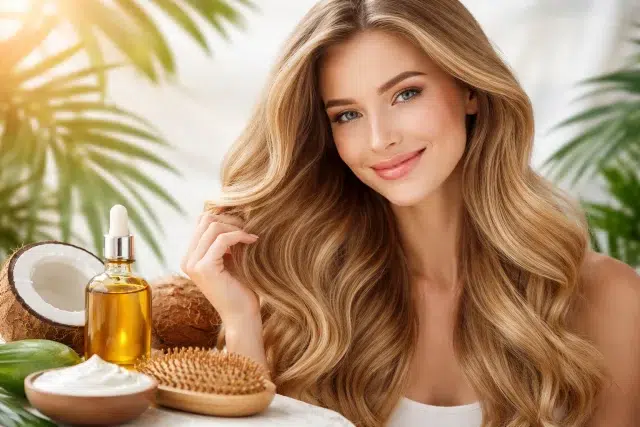
If you’ve been staring at dull ends, frizz that won’t quit, and hair that feels rough no matter what you do, you’re not alone. The real question most people are trying to solve is: What is the Best Hair Treatment for Dry Hair when you want results that actually last, not just a soft feel for one day.
Here’s the honest truth. Dry hair usually isn’t a single problem, it’s a mix of moisture loss, surface damage, and sometimes protein imbalance. That’s why the best plan is rarely one “miracle” product. The best treatment is a routine that restores moisture, seals it in, and reduces the daily damage that keeps drying your hair out in the first place.
In this guide, I’ll walk you through exactly What is the Best Hair Treatment for Dry Hair, what ingredients and treatments matter most, how to choose based on your hair type, and a simple routine you can follow without turning your bathroom into a chemistry lab.
Dry hair, explained in plain language
Before you decide What is the Best Hair Treatment for Dry Hair, it helps to know what “dry” actually means.
Dry hair is hair that’s missing enough moisture and protective oils to stay smooth and flexible. Sometimes the scalp isn’t producing much oil. Sometimes the oil can’t travel down the strand (common with curly and coily hair). And sometimes the hair cuticle is damaged, so moisture escapes fast.
Dermatology guidance on hair care often comes back to a few consistent themes: gentle cleansing, conditioning, and minimizing physical and heat damage. Those basics matter more than trendy product names.
Common causes of dry hair (and why your ends suffer most)
Dryness tends to show up first in mid lengths and ends because they’re older hair that’s been exposed to more wear.
Typical culprits include:
- Too much heat styling (blow-drying, straightening, curling)
- Over-washing or harsh shampoos
- Bleaching, coloring, chemical straightening
- Sun exposure, wind, dry weather, hard water
- Rough towel drying, aggressive brushing, tight styles
- Naturally textured hair that struggles to distribute scalp oils
Research on bleaching shows it can visibly damage the cuticle and internal structure, leaving hair rougher and more brittle. In other words, chemical services can create the “dry straw” feeling even if you moisturize constantly.
What is the Best Hair Treatment for Dry Hair, really?
Let’s answer the main question directly: What is the Best Hair Treatment for Dry Hair?
For most people, the best “treatment” is a combination of:
- A hydrating, slip-rich conditioner every wash
- A deep conditioning mask weekly (or twice weekly if severely dry)
- A leave-in conditioner plus a sealing step (oil or cream) to keep moisture in
- A heat protectant and fewer high-heat sessions
- A consistent routine for at least 3 to 6 weeks
That combination works because it tackles dryness from multiple angles: it adds water-binding hydration, smooths the cuticle, reduces friction, and slows future moisture loss.
If you want a simple one-line version: What is the Best Hair Treatment for Dry Hair is a weekly deep-conditioning mask plus daily moisture sealing, supported by gentle washing and low-damage styling.
The most effective treatment types (and when to use them)
If you’ve tried “everything,” the missing piece is usually using the right type of treatment at the right time.
1) Deep conditioning masks (the weekly reset)
If you’re asking What is the Best Hair Treatment for Dry Hair and you want the highest impact category, deep conditioning masks are usually it.
A good mask helps by:
- Softening and smoothing the hair surface
- Improving manageability and reducing tangles
- Temporarily reducing roughness caused by lifted cuticles
Look for ingredient families such as:
- Humectants: glycerin, panthenol, honey derivatives
- Emollients: fatty alcohols like cetyl/stearyl alcohol
- Conditioning agents: behentrimonium chloride, cetrimonium chloride
- Lipids: oils, butters, or ceramide-like blends
How to use it for best results:
- Apply to damp hair after shampoo
- Focus on mid lengths and ends
- Comb through gently for even coverage
- Leave on 10 to 20 minutes
- Rinse well, then seal with leave-in
2) Leave-in conditioner (the daily moisture manager)
A leave-in is where many routines either succeed or fail. It adds ongoing hydration and “slip,” which reduces breakage from detangling. If you’re serious about What is the Best Hair Treatment for Dry Hair, a leave-in is a non-negotiable step for most dry hair types.
Best times to use:
- After every wash
- After refreshing curls with water
- Before protective styles to reduce friction
3) Oils and oiling (great for sealing, not for “adding water”)
Hair oiling is popular for a reason: it can make hair feel softer and look shinier, and it can help reduce dryness by limiting moisture loss. Cleveland Clinic notes that oiling may help with hydration and protection, but oils behave differently depending on hair type and routine.
The key idea: oil is usually a sealant and lubricant, not a true “hydrator.” Pair it with water or leave-in first.
How to use oil without making hair heavy:
- Use 2 to 6 drops (start small)
- Apply to ends first, then lightly over mid lengths
- Choose lighter oils (argan, grapeseed) for fine hair
- Choose richer oils (olive, castor blends) for thick, coarse, curly hair
4) Protein or bond-support treatments (when dryness is actually damage)
Sometimes “dry” is really “damaged.” Bleach, frequent heat, and chemical straightening can increase porosity and weaken the hair fiber.
If hair feels:
- Mushy when wet
- Overly stretchy then snaps
- Rough and frizzy no matter how much conditioner you use
…you may need a protein-containing mask occasionally, or a bond-support product if you color frequently.
Practical approach:
- Use protein 1 to 2 times per month for most people
- If hair becomes stiff or brittle, reduce protein and increase hydration
5) Scalp care (because scalp health affects how hair behaves)
Dry scalp and dry hair often show up together, but they’re not the same thing. Cleveland Clinic notes dry scalp can be triggered by products, weather, age, and skin conditions, and may improve when you switch shampoos or address underlying causes.
If your scalp is itchy and flaky:
- Avoid aggressively stripping shampoos
- Try gentler cleansing and fewer irritating fragrances
- If it persists, consider medical causes and get it checked
Ingredient cheat sheet for dry hair
When you’re trying to decide What is the Best Hair Treatment for Dry Hair, reading labels helps, but only if you know what you’re looking for.
Hydration helpers (humectants)
These pull in or hold water:
- Glycerin
- Panthenol (pro-vitamin B5)
- Aloe (in well-formulated products)
- Hyaluronic acid (in some hair products)
Hyaluronic acid is widely known for hydration in topical applications, and it’s being explored in hair-care contexts as well. (Just remember: formulation matters more than buzzwords.)
Softness and slip (emollients + conditioners)
These reduce friction and improve feel:
- Cetyl alcohol, cetearyl alcohol
- Behentrimonium chloride, cetrimonium chloride
- Amodimethicone (helpful for damaged hair when used correctly)
Sealing and shine (oils and butters)
- Argan oil
- Coconut oil blends
- Jojoba oil
- Shea butter (best for thicker textures)
The 4-level treatment plan (pick your dryness level)
If you’ve been searching What is the Best Hair Treatment for Dry Hair, this is the part that makes it actionable. Choose the level that matches how your hair feels right now.
Level 1: Mild dryness (hair feels a bit rough, but not breaking)
- Conditioner every wash
- Leave-in after washing
- Oil on ends 2 to 3 times per week
- Limit heat to once weekly or less
Level 2: Moderate dryness (frizz + tangles + dull ends)
- Conditioner every wash
- Deep mask 1x weekly
- Leave-in every wash
- Oil or cream seal every wash day
- Sleep with a satin bonnet or pillowcase
Level 3: Severe dryness (breakage, crunchy ends, color damage)
- Deep mask 2x weekly for 3 weeks, then weekly
- Add one protein or bond-support treatment every 2 to 4 weeks
- Strict heat reduction and always use heat protectant
- Micro-trims every 8 to 12 weeks to manage split ends
Level 4: Dry hair plus scalp issues (itch, flakes, irritation)
- Gentle shampoo focused on scalp, not ends
- Conditioner and leave-in focused on lengths
- Avoid heavy oils on scalp if it worsens flakes
- If persistent, treat scalp as a skin issue and consider professional evaluation
A simple weekly routine that actually works
If someone asked me again What is the Best Hair Treatment for Dry Hair and they wanted a routine, not a lecture, I’d give them this.
Wash day (1 to 2 times per week)
- Pre-shampoo option (especially for very dry ends): a light oil on ends for 15 to 30 minutes
- Shampoo the scalp gently, let suds rinse through the ends
- Condition mid lengths and ends, detangle gently
- Use a deep conditioning mask (weekly)
- Apply leave-in conditioner on damp hair
- Seal ends with a small amount of oil or cream
- Air dry when possible, or use low heat with heat protectant
Hair care organizations and dermatology guidance commonly emphasize gentle handling, conditioning, and avoiding harsh practices that increase breakage.
Midweek refresh (especially for textured hair)
- Lightly mist hair with water
- Add a small amount of leave-in
- Seal ends if needed
Quick table: matching treatments to your hair type
| Hair type | What usually causes “dryness” | Best treatment focus |
|---|---|---|
| Fine, straight | Over-washing, heat, buildup | Lightweight conditioner, weekly mask, minimal oil |
| Wavy | Frizz + uneven moisture | Leave-in + light sealant, weekly mask |
| Curly | Oil doesn’t travel down strand | Leave-in every wash, sealing, deep masks |
| Coily/kinky | High dryness risk + friction | Frequent deep conditioning, creamy leave-ins, sealing, protective styling |
| Color-treated/bleached | Cuticle damage + higher porosity | Masks, bond or protein support, strict heat protection |
Mistakes that keep hair dry (even with expensive products)
If you keep asking What is the Best Hair Treatment for Dry Hair but nothing changes, check these common habits:
- You’re shampooing the ends like they’re the scalp. Clean the scalp, let the rinse clean the ends.
- You skip leave-in. Conditioner rinses out. Leave-in stays and keeps friction down.
- You use heat without protection. Even “quick” passes add up.
- You detangle when hair is dry and fragile. Detangle damp with conditioner or leave-in for slip.
- You’re chasing protein when you need moisture, or vice versa. Balance matters.
- You expect split ends to “heal.” Treatments can improve feel, but split ends need trimming.
Common questions people ask about dry hair
What is the Best Hair Treatment for Dry Hair if I only pick one thing?
If you truly pick one category, choose a weekly deep conditioning mask and pair it with gentler washing. That’s the biggest improvement-per-effort for most people asking What is the Best Hair Treatment for Dry Hair.
How long does it take to see results?
You can feel softer hair after one wash, but real improvement usually shows after 3 to 6 weeks of consistent care, especially if heat or chemical damage is involved.
Should I use a clarifying shampoo if my hair is dry?
Only occasionally, and always follow with deep conditioning. Clarifying can remove buildup that blocks moisture, but overdoing it can worsen dryness.
Can oils fix dry hair?
Oils help reduce dryness by sealing and smoothing. They don’t replace water-based hydration, so they work best layered over damp hair or leave-in.
Is dry hair the same as dry scalp?
Not always. Dry scalp is a skin moisture issue and may be tied to irritation or conditions. Dry hair is about the hair fiber itself. Treat them differently.
Conclusion: the most realistic answer
So, What is the Best Hair Treatment for Dry Hair? The most reliable answer is not a single trendy jar. It’s a routine: deep conditioning weekly, leave-in every wash, sealing moisture, and reducing the damage that keeps stripping your hair.
If your hair is mildly dry, you can often fix it with better conditioning and smarter washing. If it’s chemically treated or heat-stressed, the best plan adds structure support (protein or bond-focused care) and stricter heat protection. Either way, consistency beats constant product switching.
In the last stretch of your routine, remember you’re caring for a delicate hair shaft, and small daily habits decide whether it stays smooth or keeps drying out.