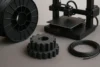
A Sintterikytkin, or sintered clutch, is a specialized mechanical component made using a sintering process that converts powdered metals into a highly durable, friction-optimized structure. This type of clutch is known for its exceptional strength, stable friction behavior, and resistance to high temperatures. Because of its unique material properties, a sintterikytkin is widely used in industrial machinery, high-performance vehicles, robotics, and heavy equipment where reliability under stress is essential.
Engineers and machine operators often prefer sintterikytkimet because of their ability to maintain consistent torque transfer even during continuous operation. This guide explores in detail what a sintterikytkin is, how it functions, where it is used, and why it has become a standard in demanding mechanical systems.
Understanding the Sintterikytkin: A Detailed Definition
A sintterikytkin is fundamentally a friction clutch, but what makes it unique is the material engineering behind it. Instead of using organic or composite friction materials, the clutch plates are produced from powdered metals — commonly bronze, iron, or metal composites — that are compressed at high pressure and fused at elevated temperatures. This sintering process creates a dense yet porous structure that balances strength with friction stability.
The resulting component has friction properties that remain steady across wide temperature ranges. It can also endure repeated engagement cycles without exhibiting rapid wear. This makes the sintterikytkin suitable for environments where clutch components must operate under continuous load, frequent speed changes, or high thermal stress.
How a Sintterikytkin Works
The functioning of a sintterikytkin is rooted in the principle of friction-based torque transfer. When engaged, the clutch plates press together, allowing rotational force from the driving shaft to transfer to the driven component. The sintered friction surface provides a uniform coefficient of friction, allowing power to flow smoothly.
When activation pressure is applied — either mechanically, hydraulically, pneumatically, or via spring mechanisms — the clutch plates come into contact and begin transmitting torque. The microstructure of the sintered material plays a crucial role at this stage. Its interconnected pores help dissipate heat efficiently, preventing hotspots that could otherwise degrade performance.
When the clutch is disengaged, the plates separate, stopping torque transfer instantly and allowing the system to run freely. Because of their structural resilience, sintterikytkimet perform well even under rapid transitions between engagement and disengagement, a characteristic especially valued in automated systems and high-performance applications.
Key Benefits of a Sintterikytkin
The advantages of sintterikytkimet come from the engineering behind their materials. One of the most significant benefits is their high thermal tolerance. Sintered metals can retain their friction properties even when exposed to temperatures exceeding several hundred degrees Celsius. This is particularly important in machinery that involves repetitive clutching or operations that generate frictional heat.
Another advantage is their extended lifespan. Compared to traditional organic friction plates, which degrade faster under heat and mechanical stress, sintered clutches maintain their integrity longer. This means fewer replacements, reduced downtime, and lower maintenance costs. Their longevity has been demonstrated repeatedly in industrial applications, where equipment reliability is essential for productivity.
The consistency of friction is another valuable characteristic. Unlike organic friction materials that may lose effectiveness when moisture, oil, or temperature changes occur, sintered materials remain stable. This ensures predictable performance, making the sintterikytkin ideal for systems requiring precise control.
Finally, the manufacturing process allows for customization. Engineers can adjust the porosity, density, friction coefficient, and composition to match specific application needs, making the sintterikytkin one of the most versatile clutch types available.
Applications of Sintterikytkimet in Modern Industry
Sintterikytkimet are used across a wide range of industries due to their robust performance. In the automotive sector, they are commonly found in manual and dual-clutch transmissions, particularly in high-performance vehicles. Their ability to withstand rapid gear shifts and sudden torque spikes makes them ideal for sporty driving conditions, racing environments, and heavy-duty trucks.
In industrial settings, sintterikytkimet appear in conveyor systems, automated manufacturing equipment, press machines, and mechanical actuators. Machines that require frequent start-stop cycles benefit from the clutch’s durability and stable friction performance. These clutches help prevent motor strain by ensuring gradual and controlled engagement.
Robotics is another field where sintterikytkimet play a vital role. Because robots demand precise rotational control, a clutch with predictable friction behavior is essential. The smooth engagement provided by sintered clutches helps maintain the accuracy of robotic movements and positioning.
Heavy machinery such as tractors, excavators, mining loaders, and forestry equipment also rely on sintterikytkimet. These machines often operate in extreme environments — exposure to dirt, heat, moisture, and high mechanical loads — which would degrade traditional clutch materials. A sintterikytkin, on the other hand, performs reliably even in harsh conditions, ensuring the machine remains productive.
Variations and Types of Sintterikytkimet
Although the core concept is the same, sintterikytkimet come in different forms depending on their material composition and intended use. Sintered bronze clutches are popular in heavy-duty applications because bronze maintains friction stability even during prolonged exposure to heat. Sintered iron clutches are often chosen for cost-sensitive projects, offering good durability at a lower price point. Composite sintered clutches, which mix various friction-enhancing materials, provide balanced performance for general-purpose applications.
There are also structural variations. Multiplate sintterikytkimet, for example, stack several clutch plates together to increase torque capacity without expanding the overall diameter. This design is commonly used in automotive racing, motorcycles, and compact industrial machinery where space is limited but performance demands are high.
Sintterikytkin vs. Traditional Clutches
Comparing sintterikytkimet with traditional organic clutches highlights why sintered options are preferred in demanding environments. Traditional clutches are made from materials like resin-based composites, which perform well in everyday driving but deteriorate quickly under extreme heat or continuous stress. They may glaze, fade, or warp when exposed to tough conditions.
Sintterikytkimet, in contrast, remain structurally sound under the same circumstances. Their ability to handle high torque loads without slipping makes them more reliable in industrial machinery and specialized vehicles. Although they may have a slightly higher initial cost, the long-term savings in durability, maintenance, and downtime often justify the investment.
Choosing the Right Sintterikytkin for Your Application
Selecting the correct sintterikytkin requires a thorough understanding of the operating conditions. Engineers must consider the expected torque, rotational speed, temperature range, engagement frequency, and environmental exposure. A clutch installed in a clean robotics environment, for example, faces very different challenges than one installed in agricultural or mining machinery.
Heat generation is especially important. If the application involves repeated engagement under load, a sintered bronze clutch may perform better, whereas a lower-cost iron-based clutch may suffice for lighter tasks. Understanding the lubrication system — wet or dry operation — is also critical, since sintered materials interact with fluids differently than organic materials.
Proper sizing and mechanical compatibility ensure optimal performance. An undersized clutch may overheat or slip, while an oversized clutch may introduce unnecessary cost and mechanical drag.
Installation and Maintenance Considerations
Installing a sintterikytkin requires precision. Proper alignment of the input and output shafts is essential for smooth operation. Misalignment can lead to uneven wear, reduced lifespan, and increased mechanical noise. Following the manufacturer’s recommended torque settings during installation is also important, as excessive pressure may damage the friction surfaces.
Maintenance is generally minimal compared to traditional clutches because sintered materials exhibit slow wear rates. However, routine inspections help ensure early detection of unusual wear patterns, contamination, or structural changes. In dry systems, it’s important to avoid oil exposure unless the clutch is specifically designed for wet environments. Wet sintered clutches require proper lubrication to maintain cooling and friction characteristics.
Frequently Asked Questions
What is a sintterikytkin?
A sintterikytkin is a clutch made from sintered metal used for torque transmission in vehicles, machinery, robotics, and heavy equipment.
Why are sintered clutches better than organic ones?
They offer higher heat resistance, longer lifespan, and more stable friction performance under demanding conditions.
Where are sintterikytkimet commonly used?
They are used in automotive transmissions, industrial machines, agricultural equipment, robotics, and heavy-duty construction machinery.
How long does a sintterikytkin last?
Its lifespan is significantly longer than traditional clutches, especially in high-temperature or heavy-load environments.
Conclusion: Why the Sintterikytkin Remains a Superior Choice
The Sintterikytkin stands out as one of the most dependable and efficient clutch solutions available. Its sintered metal construction provides unmatched heat resistance, stable friction dynamics, and a long operational lifespan, all of which contribute to more reliable and efficient machinery. Whether installed in a high-performance vehicle, a robotic actuator, or a piece of heavy industrial equipment, the sintterikytkin delivers smooth and consistent torque transmission even under extreme conditions.
As industries push for more durable, high-efficiency components, the sintterikytkin continues to gain recognition as the preferred clutch type for modern engineering applications. Its balance of strength, adaptability, and long-term reliability ensures it remains a vital component in the future of mechanical power transmission.