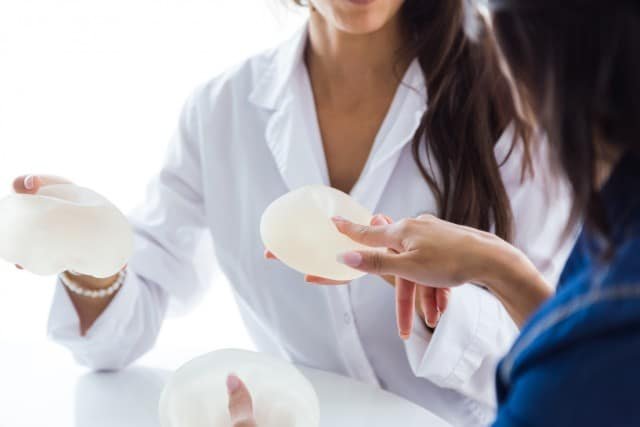
Introduction: What Are Gummy Bear Implants?
Gummy bear implants are a type of highly cohesive silicone gel breast implant that keeps its shape even if the outer shell breaks. They earned their nickname because the gel inside has a texture similar to gummy candies — firm yet flexible.
These implants are sometimes called:
- Form-stable implants
- Cohesive gel implants
- Teardrop-shaped implants
Over the past decade, gummy bear breast implants have gained popularity among women seeking breast augmentation or reconstruction after mastectomy. Patients often choose them for their natural appearance, durability, and reduced risk of leakage.
But are gummy bear implants the right choice for you? Let’s break down the benefits, risks, costs, and alternatives to help you decide.
What Makes Gummy Bear Implants Different?
Unlike saline or traditional silicone implants, gummy bear implants use a thicker, form-stable gel.
Key Differences:
- Shape retention: Holds its teardrop form over time.
- Less movement: Doesn’t ripple as easily under the skin.
- Cut-test proven: If sliced, the gel stays intact rather than oozing.
- Consistency: Mimics the slope and firmness of natural breasts.
👉 Think of it like comparing Jell-O vs. gummy candy — Jell-O wobbles and spreads, while gummy candy keeps its shape.
Benefits of Gummy Bear Implants
Patients often turn to gummy bear implants for their blend of safety and aesthetics.
Main Advantages
- Natural Look & Feel
- Teardrop shape resembles the natural breast contour.
- Especially effective for women with little existing breast tissue.
- Durability
- Can last 10–15 years or longer with proper care.
- Reduced risk of rupture compared to saline implants.
- Reduced Rippling & Wrinkling
- Ideal for thin women where ripples might otherwise show.
- Leak-Resistant Technology
- Gel clumps together instead of leaking into surrounding tissue.
- Customization Options
- Available in multiple heights, widths, and projections.
- Allows surgeons to tailor the implant to your body shape.
- Lower Risk of Capsular Contracture (in some studies)
- Some research suggests cohesive gel implants may reduce scar tissue tightening.
Risks & Drawbacks of Gummy Bear Implants
As with any surgery, there are potential downsides.
Possible Risks
- Surgical Complications: Infection, bleeding, or anesthesia side effects.
- Implant Rotation: Teardrop shape may distort if the implant turns inside the breast pocket.
- Capsular Contracture: Scar tissue hardening, which may cause pain or distortion.
- Firmer Feel: Some women prefer the softer feel of traditional silicone.
- Higher Cost: More expensive than saline or regular silicone implants.
- Special Incisions Required: Often inserted through a larger incision, usually under the breast crease.
💡 According to the FDA, breast implants are not lifetime devices — most patients require replacement or revision surgery at some point.
Gummy Bear Implants vs. Silicone & Saline: A Side-by-Side Comparison
| Feature | Gummy Bear Implants | Silicone Implants | Saline Implants |
|---|---|---|---|
| Material | Cohesive silicone gel | Silicone gel | Sterile saltwater |
| Shape Retention | Excellent | Good | Poor |
| Feel | Firm, natural | Soft, natural | Less natural |
| Leakage Risk | Very low | Moderate | High (deflation) |
| Cost | $$$$ | $$$ | $$ |
| Longevity | 10–15 years+ | 10–15 years | 8–10 years |
| Incision Size | Larger | Moderate | Small |
📌 Key takeaway: If natural shape and durability matter most, gummy bear implants may be worth the investment.
Cost of Gummy Bear Implants in 2025
The cost of gummy bear breast implants depends on the clinic, surgeon’s experience, and location.
- Average U.S. Cost: $6,000–$12,000 (surgery included)
- Implant Device Only: $1,500–$2,500 per pair
- Geographic Variation: Prices are higher in major cities like Los Angeles or New York.
- Insurance Coverage: Cosmetic augmentations are not covered, but reconstruction after breast cancer may qualify.
💰 Financing options like CareCredit and medical loans are available at many plastic surgery clinics.
Recovery & Aftercare: What to Expect
Recovery time can vary, but most women return to light activity within a few weeks.
Recovery Timeline
- Week 1–2: Swelling, bruising, and soreness are common. Pain medication may be prescribed.
- Week 3–4: Light exercise may be resumed, but avoid chest-heavy workouts.
- Week 6: Most patients return to full activity, including weightlifting.
- Months 3–6: Implants settle into their final position (“drop and fluff”).
Aftercare Tips
- Wear a supportive surgical bra.
- Avoid sleeping on your stomach for at least 6 weeks.
- Follow your surgeon’s scar-care instructions.
- Schedule follow-up visits for checkups and imaging.
Who Is an Ideal Candidate?
Gummy bear implants may be ideal if you:
- Want natural, teardrop-shaped results
- Prefer longer-lasting implants with reduced leakage risks
- Have thin breast tissue and want to avoid rippling
- Are undergoing breast reconstruction surgery
Not the best fit for:
- Patients seeking a very round or “full cleavage” look
- Those wanting the softest, most natural feel (silicone may be better)
- Patients looking for budget-friendly implants
Real-World Patient Insights
- Case Study 1 – Breast Augmentation: A 32-year-old woman chose gummy bear breast implants for a subtle, natural look. Three years later, she reports minimal scarring and very natural feel.
- Case Study 2 – Post-Mastectomy Reconstruction: A 45-year-old breast cancer survivor opted for cohesive gel implants. Her surgeon recommended them for durability and shape retention, especially after tissue loss.
👉 These examples highlight how gummy bear implants can be tailored to different patient needs.
Frequently Asked Questions (FAQs)
How long do gummy bear implants last?
Most last 10–15 years, but many patients keep them longer with no issues. Replacement may be necessary if complications arise.
Do gummy bear breast implants look more natural than saline?
Yes. The teardrop shape and cohesive gel create a gentler slope compared to the rounder look of saline implants.
What’s the main disadvantage?
The main drawbacks are higher cost and the risk of implant rotation.
Can they rupture?
Yes, but the cohesive gel prevents the dramatic “deflation” seen with saline implants.
What’s the recovery time?
Most patients recover within 4–6 weeks, but swelling may last up to 3 months.
Do they need MRI scans?
Yes. The FDA recommends MRI or ultrasound scans every 5–6 years to check for “silent ruptures.”
Are gummy bear implants safer than silicone?
They are considered safe, but all implants carry risks. Their cohesive gel may reduce leakage risks compared to standard silicone.
Conclusion: Are Gummy Bear Implants Worth It?
Gummy bear breast implants offer a durable, natural-looking option for women considering breast augmentation or reconstruction. With their form-stable gel, they reduce leakage risk and provide long-lasting results.
However, they also come with higher costs, firmer feel, and potential for implant rotation.