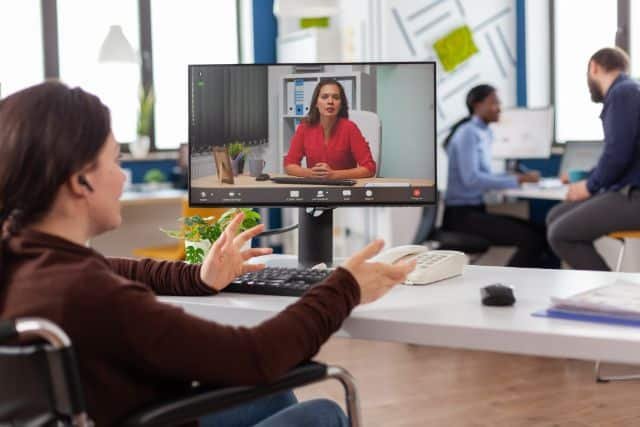
In today’s digital-first world, audience engagement is the key to successful events, webinars, and training sessions. Traditional Q&A formats — whether typed chat boxes or pre-submitted questions — often fail to capture the energy of live participation. This is where Video&A comes in.
Video&A, short for Video Question & Answer, is a next-generation solution that enables real-time, face-to-face interaction between hosts and audiences. Instead of reading text-based questions, speakers can directly interact with participants through video, creating a more dynamic and humanized experience. As virtual events continue to grow, Video&A is quickly becoming a game-changer in online communication.
Why Video&A is Changing Online Engagement
The rise of interactive platforms reflects a shift in how people consume information. Audiences no longer want to sit passively during webinars — they expect to engage, ask questions, and be part of the conversation.
- Higher Engagement: According to HubSpot’s State of Marketing Report (2024), interactive video increases audience engagement by 3x compared to static webinars.
- Community Building: When participants see and hear each other, events feel less like lectures and more like collaborative experiences.
- Personalization: Live Q&A sessions become more relevant when tailored to the audience’s voice, tone, and real-time feedback.
By moving away from text-only interactions, Video&A makes digital experiences more authentic, memorable, and impactful.
Key Features of Video&A Platforms
Real-Time Video Interaction
The heart of Video&A lies in instant video participation. Attendees can appear on screen to ask questions, and hosts can respond face-to-face. This mimics the spontaneity of in-person events.
Live Polls and Feedback Tools
Many Video&A platforms integrate polls, emoji reactions, and rating systems. This not only engages participants but also provides valuable audience sentiment data for organizers.
Scalability and Accessibility
Whether you’re running a small team training or a global conference with thousands of attendees, Video&A platforms are built to scale. They are also optimized for mobile devices, ensuring that no one misses out, regardless of where they are.
How Video&A Improves Online Q&A Sessions
Enhanced Audience Participation
Unlike chat-based Q&A, Video&A allows participants to ask questions with their tone, expressions, and personality intact. This creates stronger emotional connections between speakers and audiences.
Personalization of Content
Hosts can prioritize trending questions, respond to audience sentiment, and adapt their content in real time. This level of flexibility keeps sessions highly relevant.
Better Analytics for Hosts
Video&A platforms often include dashboards that measure:
- Number of questions asked
- Average participation time
- Audience feedback and ratings
These insights help organizers continuously improve their content strategies.
Use Cases of Video&A
Education and E-Learning
Teachers and professors use Video&A to create interactive classrooms, where students don’t just listen but actively participate. This increases retention and makes remote learning more effective.
Corporate Training & Team Meetings
Companies leverage Video&A for training sessions, where employees can raise questions live instead of passively watching slides. This leads to higher knowledge retention and engagement.
Digital Events & Conferences
Virtual events that integrate Video&A report higher satisfaction rates. For example, an online tech summit that added live video Q&A saw audience retention improve by 45% compared to its previous edition.
Future Trends in Video&A
AI-Powered Moderation
Artificial intelligence is beginning to assist in moderating Q&A sessions by:
- Filtering repetitive or irrelevant questions
- Suggesting answers from a database
- Ranking questions by popularity
VR & AR Integration
Imagine attending a Q&A where you step into a virtual auditorium or ask questions to a speaker’s AR hologram. Video&A is likely to merge with immersive technologies in the near future.
Hybrid Events
As physical conferences return, Video&A will play a central role in bridging in-person and virtual participants, ensuring equal opportunities for engagement.
FAQ: Common Questions About Video&A
Q1: How is Video&A different from webinars?
Traditional webinars rely on chat boxes for Q&A. Video&A allows participants to appear live on screen, making the interaction more personal and engaging.
Q2: What platforms currently support Video&A?
Several platforms, including Hopin, Airmeet, and hybrid event solutions, are integrating Video&A-like features into their event ecosystems.
Q3: Is Video&A suitable for small businesses?
Yes! Even small teams can use affordable Video&A tools for training, workshops, or client engagement.
Q4: What equipment do I need for Video&A sessions?
A stable internet connection, a webcam, and a microphone are usually enough. Advanced setups may include external cameras and lighting for better quality.
Challenges and Best Practices for Hosting Video&A
While Video&A offers exciting opportunities, it comes with its own challenges.
Common Challenges:
- Technical issues like lag or poor video quality.
- Managing large volumes of questions.
- Keeping sessions within time limits.
Best Practices:
- Test your tech: Run a rehearsal before the event.
- Set clear rules: Inform participants how and when to ask questions.
- Engage continuously: Mix polls, Q&A, and interactive elements to keep the energy high.
- Moderate smartly: Use co-hosts or AI tools to manage incoming questions efficiently.
Styling Inspiration from Digital Leaders
Leading companies like Microsoft and Google are experimenting with live, video-driven Q&A features during their online events. According to TechCrunch (2024), integrating Video&A increases audience satisfaction scores by over 30%, highlighting its potential as the future standard for online interaction.
Conclusion: The Future of Interactive Q&A is Here
Video&A is transforming how people interact in virtual spaces. By combining real-time video, audience engagement tools, and analytics, it bridges the gap between digital and in-person experiences. Whether in education, corporate training, or global events, Video&A represents the next step in creating interactive, humanized online communication.