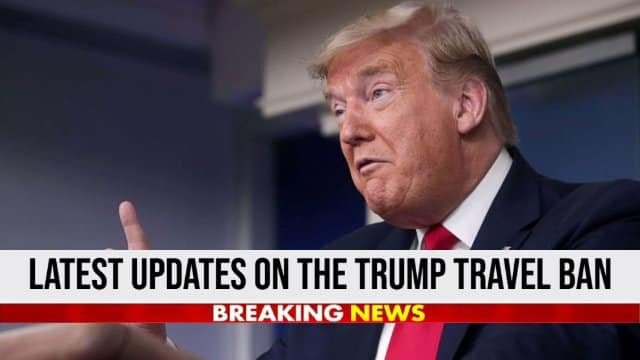
Introduction: Understanding the Trump Travel Ban and Travel Guidelines
The Trump Travel Ban has been a subject of intense debate since its inception, drastically altering how travelers from certain countries could access the United States. Initially introduced by President Donald Trump in 2017, the ban has been modified multiple times over the years. The aim was to enhance national security by restricting entry from countries deemed as high-risk. This article will walk you through the latest updates regarding the Trump Travel Ban in 2025, explain the travel guidelines, and discuss how these changes impact international travel to the U.S.
With the political landscape continuing to shift, the travel restrictions that were once viewed as temporary have evolved, creating lasting effects on travelers. Understanding these shifts and how they apply to you is critical for anyone planning to visit, work, or live in the United States. Let’s take a closer look at the developments in the Trump Travel Ban, its influence on U.S. travel policy, and the guidelines you need to follow.
What is the Trump Travel Ban?
The Trump Travel Ban, officially known as the “Muslim Ban” or the “Travel Ban,” refers to a series of executive orders issued by Donald Trump aimed at restricting entry to the U.S. from countries identified as having elevated security risks. The first executive order, signed in January 2017, banned travelers from seven countries: Iran, Iraq, Libya, Somalia, Sudan, Syria, and Yemen. The order quickly faced legal challenges, leading to revisions and expansions.
Over time, the Trump Travel Ban evolved into a broader and more comprehensive restriction list, which included several Muslim-majority countries and others considered high-risk due to political instability, terrorism concerns, or lack of cooperation with U.S. authorities in tracking terror-related activities.
Key Phases of the Trump Travel Ban:
- Initial Ban (2017): The first ban focused on Muslim-majority countries but was contested in court, resulting in a partial rollback.
- Revised Ban (2018): The revised order included new countries (e.g., Venezuela, North Korea) and excluded Iraq, modifying visa procedures.
- Final List (2025): The most recent updates in 2025 reflect evolving national security priorities, adding additional countries and reinforcing security measures for travelers from high-risk regions.
Key Updates to the Trump Travel Ban in 2025
The latest updates to the Trump Travel Ban in 2025 have made significant changes to the list of countries affected and the guidelines governing the application process. As the international situation changes, the U.S. government has responded with adjustments to ensure that national security concerns are addressed. Here are the key updates you need to know:
1. New Countries Added to the List
One of the major changes in the Trump Travel Ban for 2025 is the addition of new countries to the restricted list. These countries have been identified by the U.S. government as having heightened risks, particularly in the areas of terrorism and criminal activity. The updated list now includes:
- Syria
- Iran
- Somalia
- Venezuela
- North Korea
- Yemen
These nations are subject to strict entry restrictions, and citizens from these countries face an extended vetting process to be eligible for U.S. visas. Travelers from these countries must submit additional background documentation and undergo comprehensive screenings before being approved.
2. Enhanced Visa Screening Requirements
For the countries included in the travel ban, U.S. visa applicants now face more stringent screening processes. In addition to standard background checks, applicants must submit detailed information about their travel history, criminal records (if any), and past activities in their home country.
- Additional Documentation: Applicants are required to provide further proof of their travel intentions, financial stability, and ties to their home country.
- Higher Scrutiny for Visa Categories: Certain visa categories, such as student or work visas, face additional documentation requirements. This makes it harder for individuals from affected countries to receive approval for long-term stays or academic pursuits in the U.S.
3. Temporary Lifts and Exemptions
While the Trump Travel Ban is restrictive, certain categories of travelers have been granted exemptions. For instance:
- Diplomats and Officials: High-ranking officials, diplomats, and individuals involved in governmental duties are generally exempt from the ban.
- Students and Researchers: International students and researchers from affected countries may qualify for an exemption, but they must provide detailed documentation to prove the necessity of their visit.
- Family Reunifications: Some travel restrictions are waived for individuals with close family members in the U.S., such as spouses, children, or parents.
4. Potential Impact of Changes in U.S. Foreign Relations
Changes in U.S. foreign policy and diplomatic relations with certain countries have also influenced the evolution of the Trump Travel Ban. For example, the U.S. has lifted some restrictions on countries with whom it has negotiated new security arrangements. Conversely, sanctions and tensions with other nations have led to a tightening of restrictions.
Who is Affected by the Trump Travel Ban?
The Trump Travel Ban primarily impacts travelers from countries deemed to pose security risks. Here’s a closer look at the key groups affected by the ban:
1. Tourists and Business Travelers
Travelers seeking to visit the U.S. for tourism or business may face significant delays or denials. With stricter screening procedures, tourists from affected countries must submit additional documentation and undergo a more rigorous vetting process.
- Extended Processing Times: Expect longer waiting periods for visa approvals as applications undergo more thorough scrutiny.
- Denial of Entry: In some cases, even approved visas may be revoked at the point of entry if new security concerns arise.
2. Immigrants and Refugees
The ban has had the most significant impact on immigrants, refugees, and asylum seekers from affected countries. The U.S. has limited the number of refugees allowed to enter, and applicants must undergo stringent background checks.
- Special Immigration Visas: Certain individuals, such as those who have worked for the U.S. government or humanitarian organizations abroad, may be eligible for Special Immigrant Visas, which can bypass the travel restrictions.
3. U.S. Residents with Family Overseas
Permanent residents of the U.S. who wish to reunite with family members abroad often face hurdles in the process. Family members from banned countries must navigate additional challenges, including extended waits and requests for further information.
Travel Guidelines for 2025: What You Need to Know
Alongside updates to the Trump Travel Ban, other travel guidelines for 2025 have emerged that are essential for anyone planning to visit, work, or study in the U.S.
1. Updated Visa Application Procedures
The application process for a U.S. visa has become increasingly rigorous. In addition to providing personal information, applicants from affected countries must submit more detailed documentation, such as:
- Detailed travel itineraries
- Proof of financial support
- Background check certifications
This added documentation ensures that the U.S. government can accurately assess the risks associated with each individual.
2. Health and Safety Guidelines
In response to global health concerns, including the COVID-19 pandemic, the U.S. has implemented additional health screening requirements for travelers from certain countries. These include:
- Proof of Vaccination: Travelers from restricted countries must show proof of COVID-19 vaccination or submit to health screenings upon arrival.
- Quarantine Measures: Certain travelers may be required to quarantine for a specified period upon arrival, depending on their country of origin and vaccination status.
3. Enhanced Security Measures at U.S. Borders
To maintain national security, the U.S. has significantly increased border security. Travelers from affected countries can expect:
- Biometric Screening: Increased use of biometric data collection at ports of entry to verify the identities of individuals.
- Questioning and Interviews: More in-depth questioning by immigration officers to assess the traveler’s intent and security risk.
Frequently Asked Questions about the Trump Travel Ban
Q: What countries are currently affected by the Trump Travel Ban?
The latest update includes countries such as Iran, Venezuela, North Korea, and Somalia. The list is subject to change based on ongoing national security concerns.
Q: Can I apply for a waiver under the Trump Travel Ban?
Yes, certain individuals, especially those with family ties to U.S. citizens or permanent residents, may apply for a waiver, although the process is complex and lengthy.
Q: Are students and workers exempt from the travel ban?
In some cases, students, researchers, and workers may qualify for exemptions, but they must provide extensive documentation and go through additional scrutiny.
Conclusion: Navigating the Trump Travel Ban in 2025
The Trump Travel Ban continues to evolve, impacting global travelers seeking access to the U.S. As policies shift, understanding the latest updates and guidelines is crucial for anyone planning to travel, work, or immigrate to the United States. By staying informed about the current restrictions, visa procedures, and health guidelines, you can better navigate the complexities of U.S. travel policies.
As the global political landscape changes, so too may the travel ban and its implications for U.S. immigration. Keep abreast of any new developments to ensure that your travel plans proceed smoothly and within the legal framework established by the U.S. government.