Modern engineering dazzles us with skyscrapers, spacecraft, and high-tech machines, but behind every impressive structure or product are countless small parts quietly doing critical work. These tiny components rarely get the headlines, yet they enable the precision, reliability, and efficiency that complex systems demand.
From electronics to heavy industry, it’s often the smallest details that prevent failure and keep innovation moving forward, so read on to learn about the unsung heroes of modern engineering.
Why Small Parts Matter
At first glance, a screw, pin, or gasket may seem insignificant compared to an engine block or turbine blade. In reality, however, these miniature elements carry out essential functions such as alignment, load distribution, sealing, or electrical connection. A single misplaced or poorly designed part can lead to costly downtime or catastrophic failure, proving that size is no measure of importance.
Alignment Devices
Accurate alignment ensures that different components fit and function exactly as intended. Engineers use a variety of clever tools to achieve this, including locating pins, bushings, and precision-machined connectors. Among these, steel dowel pins are a classic example. These simple cylindrical rods help maintain exact positioning in assemblies such as engine housings, manufacturing jigs, and robotics equipment. Their high strength and tight tolerances mean that other fasteners, like bolts, can focus on holding parts together without having to guide them.
Fasteners and Connectors
Bolts, screws, rivets, and clips are everywhere, but their design is anything but basic. Special coatings prevent corrosion in marine environments, while unique thread patterns resist vibration in aerospace applications. Even the humble nut and bolt pair can incorporate locking mechanisms or torque-limiting features to maintain safety over years of use.
Seals and Gaskets
Seals, O-rings, and gaskets create barriers against air, water, and chemical leaks. They might cost pennies, but their role is priceless. In everything from car engines to medical devices, these small rings of rubber or composite material keep fluids contained and pressure stable. Selecting the right compound for temperature, chemical exposure, and compression is a science of its own.
Engineers often look for materials that stay flexible when things get hot. Many industrial settings use high temperature rubber to prevent leaks in engines or heavy machinery. These materials, like silicone or Viton, handle heat that would melt standard plastics. Choosing the wrong seal leads to brittle parts and system failure. The choice of material depends on the specific heat levels of the environment.
Bearings and Bushings
Tiny bearings and bushings reduce friction and wear between moving parts. In robotics and precision machinery, miniature ball bearings enable smooth, accurate motion, while specialized components such as a taper roller bearing can provide improved load support and stability in applications that demand strength as well as precision. Advanced materials such as ceramic hybrids allow these components to survive extreme speeds and temperatures while staying small and lightweight.
Electronics and Sensors
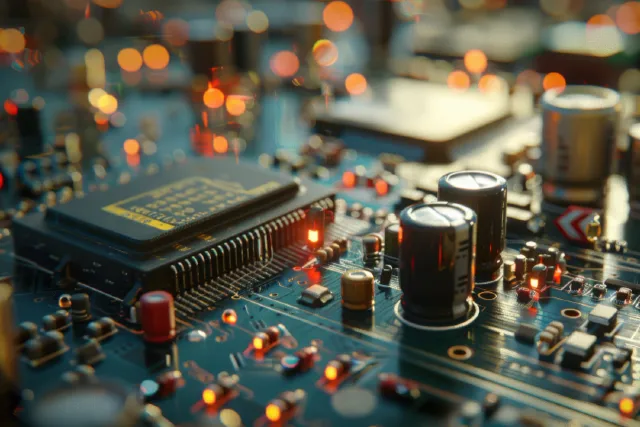
Microchips, resistors, and capacitors take the concept of small importance to another level. These minuscule components govern everything from power management to data processing. A single faulty capacitor can shut down an entire circuit board, underscoring how microscopic details underpin modern technology.
Design and Selection Considerations
Choosing the right small components is a critical engineering decision. Designers weigh material strength, thermal expansion, corrosion resistance, and maintenance needs. For example, a dowel pin must fit precisely to maintain alignment but still allow for assembly and disassembly. Similarly, seals must balance flexibility with chemical stability to avoid premature wear.
The Power of Precision
What unites these unsung heroes is their demand for precision. Whether it’s a hardened steel pin aligning heavy machinery or a tiny sensor managing microvolt signals, each component operates within strict tolerances. Achieving this accuracy requires careful design, high-quality materials, and rigorous quality control.
Final Insight
Modern engineering isn’t just about the big and bold; it thrives because of the small and smart. Components like bearings, seals, fasteners, sensors, and steel dowel pins quietly ensure that our machines run smoothly, safely, and efficiently. By appreciating these details and selecting them with care, engineers unlock the performance and reliability that define today’s technological achievements.