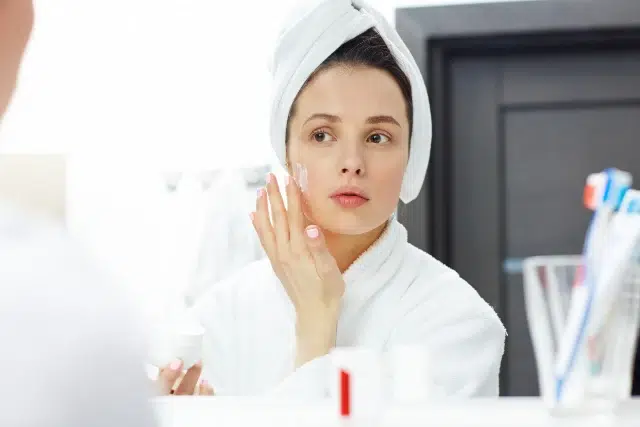
Skin aging rarely comes down to genetics or luck. While factors beyond anyone’s control exist, daily habits greatly impact how skin will appear five, ten, or twenty years down the line. However, the unfortunate reality is that so many daily choices seem relatively harmless at the time. Applying sunscreen today instead of tomorrow might not age someone’s face today — but over time it makes a difference. It all adds up, and before one knows it, months and years have passed and small decisions have turned into something large.
Thus, it helps to know what daily habits matter and which are simply skincare theatrics that allow everyone to make the best choices possible.
Sun Exposure is the Most Important (By a Lot)
There’s a reason this is talked about repeatedly — it’s overwhelmingly true. Sun exposure is a sure-fire way to create visible aging down the line and everything else that’s not genetic, of course. Fine lines, wrinkles, dark spots, uneven texture and skin tone, sagging with loss of elasticity; these all develop at a shocking rate with unprotected sun exposure.
Unfortunately, sun damage accumulates over time. It’s insidious; someone might spend their twenties getting sunburned occasionally or skipping sunscreen on random days and have yet to see lasting effects right away. That’s because damage occurs cellularly from the inside out, but years later when someone attempts to reverse it, it’s unfortunately too late.
Here’s the catch, even daily incidental exposure adds up. The walk from the car to the office. Sitting by a window. Running errands outdoors. When people think about sun exposure, they think about going to the beach or being outside for prolonged periods of time, not the little bits of sun here and there that the skin seems fine with. But skin does not differentiate between “serious” sun exposure or casual sun throughout the day.
Finding a high-quality option such as the best sunscreen in Singapore that works well under makeup and doesn’t feel heavy makes daily use more realistic. When sunscreen feels like a chore, people skip it. When it fits naturally into a morning routine, consistency becomes easier.
Sleep Quality Shows on Your Face
It’s real and shows up quite literally on one’s face. Skin has reparative properties at night while skin cells regenerate and collagen production peaks; at night during sleep the body gets to heal itself. Chronic lack of sleep disrupts this process.
People with poor sleep consistently present this quality on their skin. Dark circles might be an obvious sign but it’s what goes on beneath the surface; for example, lack of sleep increases cortisol levels, which then breaks down collagen and sparks inflammation down the line. When people sleep, they need to give their skin some time too. Sleeping also provides friction against one’s face based on what type of fabric or texture one’s sleeping on; let’s say someone sleeps with their head constantly caked into a pillow — and it’s cotton — or based on their position — which means crinkles — or else on silk or satin; silk pillowcases sound like an indulgence but they make sense because less friction means less mechanical stress on skin needing repairs during these hours.
What Goes In Shows Up On The Skin
Diet affects how skin ages more than most people think. For example, high sugar consumption equals glycation. When sugar molecules bind to certain proteins including collagen and elastin; this means when people consistently eat extra sugar, their skin appears less supple and more wrinkled. It doesn’t mean that people have to stop eating sugar altogether, but if someone eats high quantities per day, it shows.
Similarly, hydration seems obvious but plays a role in consideration. Chronically dried out skin cannot look youthful forever. The solution is simple enough — drink more water — but apparently it’s not easy enough for most people to absorb.
Antioxidants play a role through diet as well. Foods rich in vitamins C and E and omega-3 fatty acids, help combat free radicals leading to accelerated skin aging. This isn’t to say that there’s a level of perfection that needs to occur when eating, but patterns always trump isolated incidents.
Smoking And Alcohol Accelerate Everything
Smoking is one of the worst habits that contribute to skin aging, next to sun exposure. Smoking constricts blood flow, depletes oxygen from entering the body properly, breaks down collagen and the motions of smoking create additional deepened wrinkles around the mouth. Especially those with definitive marionette lines increase exposure from their peers who don’t smoke tremendously.
With drinking, heavy drinking represents dehydration properties for skin, but also dilated blood vessels and interfered sleeping patterns as well. Occasional drinking is no problem, but an excess of heavy drinking shows up in texture, tone and patterns.
Stress Management Matters More Than Expected
Cortisol levels increase when stress levels are high and as previously noted before when cortisol levels increase, collagen breaks down and inflammation occurs. Stressed individuals also sleep less well at night, make less educated decisions about food and hydrate poorly, all creating compounding issues.
Moreover, there’s a difference between someone who’s stressed and subsequently ages faster because they’re constantly making facial marks associated with stress (rubbing forehead or temples or pushing lips firmly together) than someone who just naturally has bad luck with stress.
Consistency Is Greater Than Perfection
Ultimately, daily habits that determine whether or not someone gets older looking skin don’t seem that complicated. Avoid sunlight when possible, sleep properly, hydrate correctly, eat decently well (but avoid smoking and excessive alcohol) and manage your stress levels.
The challenge is doing these things consistently over years and decades. Someone who wears sunscreen every day for twenty years will have dramatically different skin from someone who only applies it occasionally, even if they use the exact same product. The compound effect of daily choices is what creates visible differences in how people age.